Baa Atoll, read carefully
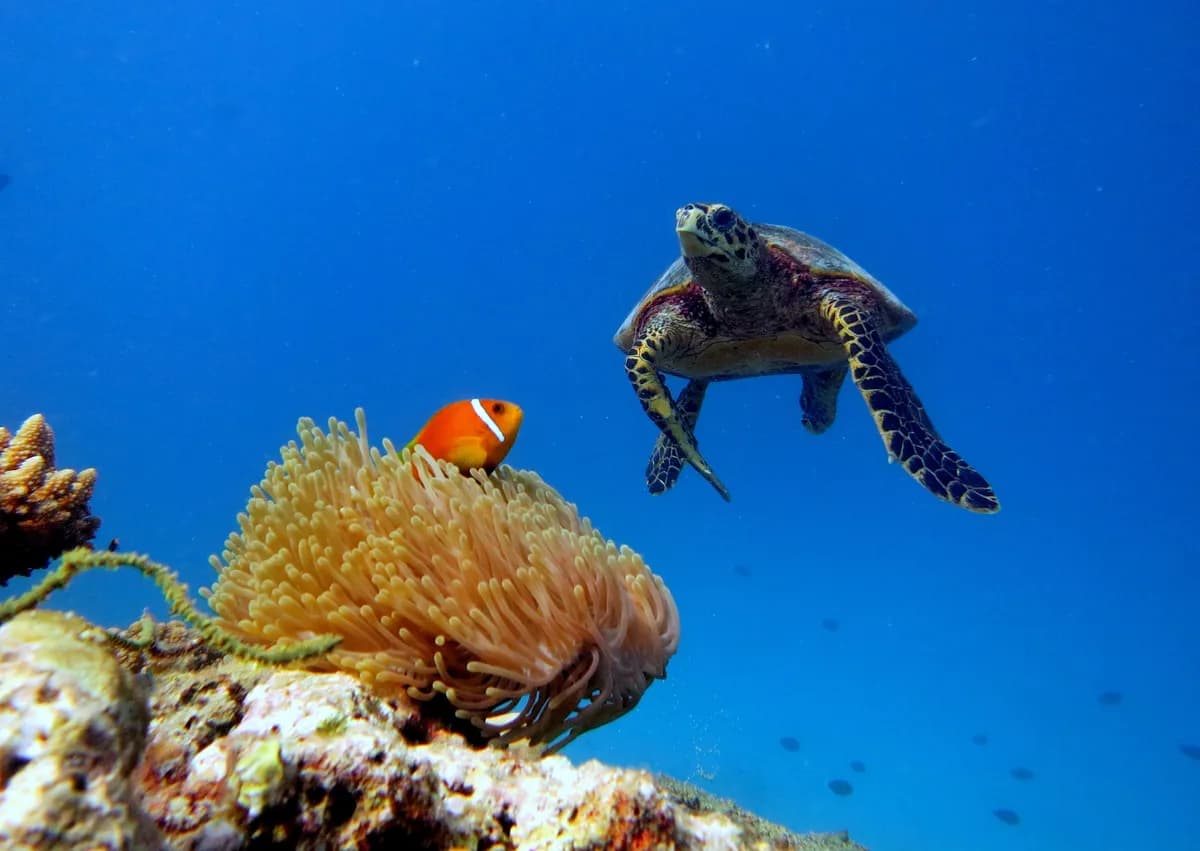
The only UNESCO Biosphere Reserve atoll in the Maldives, and the only place in the world where 200 reef mantas can occupy a single square kilometre of water on a rising tide. The marine event in Hanifaru Bay from August to November is the strongest single reason to choose an atoll on this site; the rest of the year, the atoll's resort tier carries the visit.
Where Baa sits
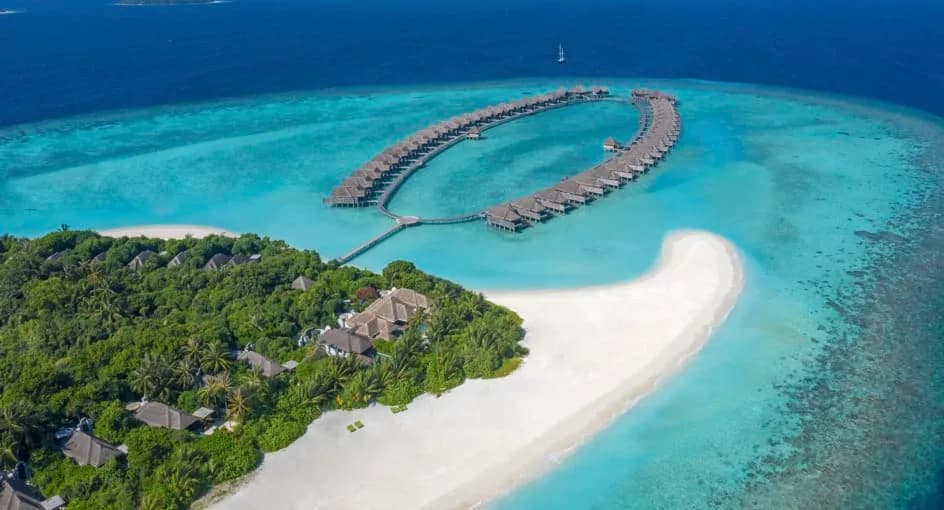
Baa is one of the central atolls, lying roughly 110 kilometres north-west of Malé. On the satellite view, the atoll reads as a long oval pointing roughly north-south, bounded by the Kashidhoo Kandu channel to the north and the Maaholan Kandu channel to the south. The lagoon area inside the reef ring is around 1,200 square kilometres, cradling roughly 75 islands. Of those, 13 are inhabited by Maldivian communities, five are industrial or service islands, and the rest are uninhabited reef stretches or resort properties. Around fourteen resorts operate in the atoll at any given time, ranging from the eco-luxury anchors to a small set of mid-range all-inclusives.
The atoll's shape matters operationally. The northern third holds most of the uninhabited reef stretches, including Hanifaru Bay. The southern third concentrates the inhabited islands and the local-island guesthouse cluster. Most of the headline resorts sit in the middle band, within a 20 minute boat ride of Hanifaru in season.
How tourism arrived
Tourism opened in the Maldives in 1972 with Kurumba (now Niva Kurumba) in North Malé Atoll; Baa Atoll joined the resort map gradually over the following two decades, anchored from 1995 by the opening of Soneva Fushi on Kunfunadhoo. The Soneva model, slow, sustainability- led, deliberately countercultural, set the tone, and the atoll's subsequent resort openings (Anantara Kihavah, Four Seasons Landaa Giraavaru, the Westin, Vakkaru, Amilla, Milaidhoo) followed that upper bracket rather than chasing volume.
The 2011 UNESCO designation reframed the atoll. Where the country's tourism narrative had been built on white-sand visuals, Baa's narrative shifted toward biological specificity. Resorts that opened after the designation almost all carry a marine biology programme of some kind, and the Hanifaru permit system gave the entire atoll a regulatory backbone.
Resorts in Baa Atoll
Listed in editorial order, not by price. We have written a long-form review of one resort so far; the others link to structured researching pages until their full reviews publish.
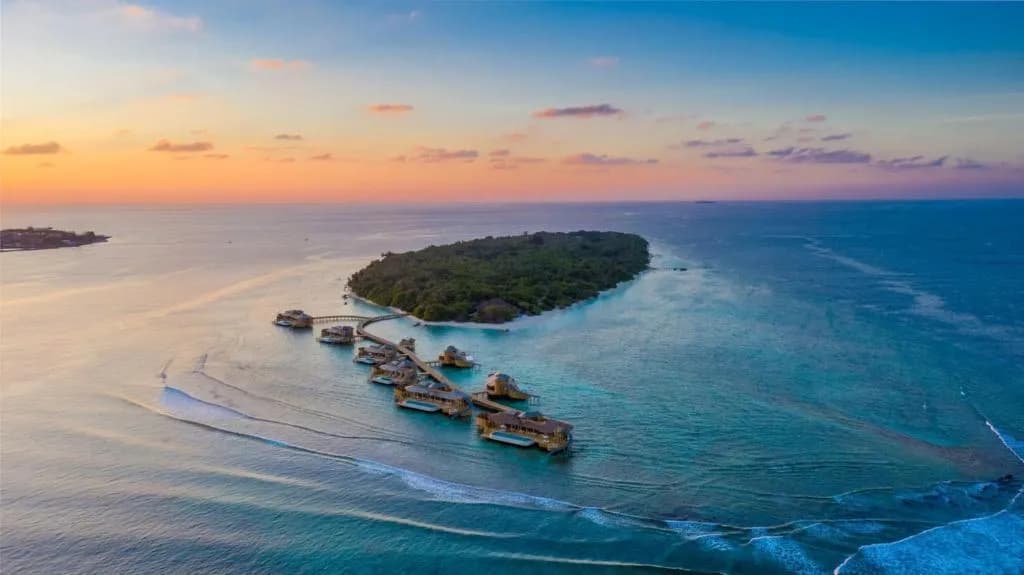
Soneva Fushi
Full reviewThe original of its kind in the Maldives and still the most editorially honest of the eco-luxury tier.
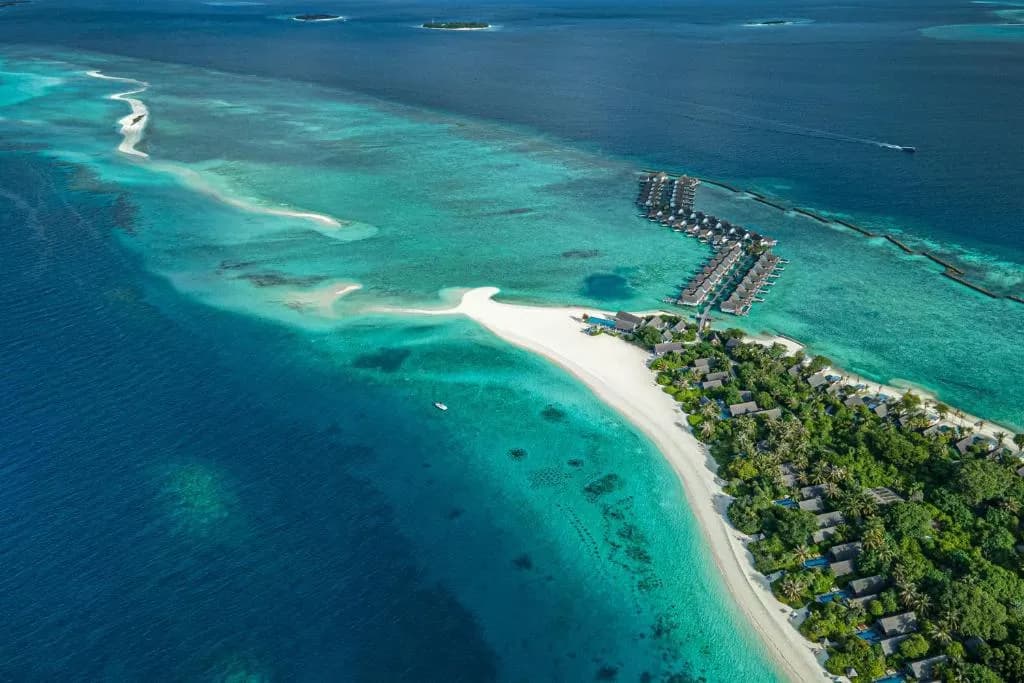
A long-running Four Seasons flagship inside the UNESCO Biosphere Reserve.
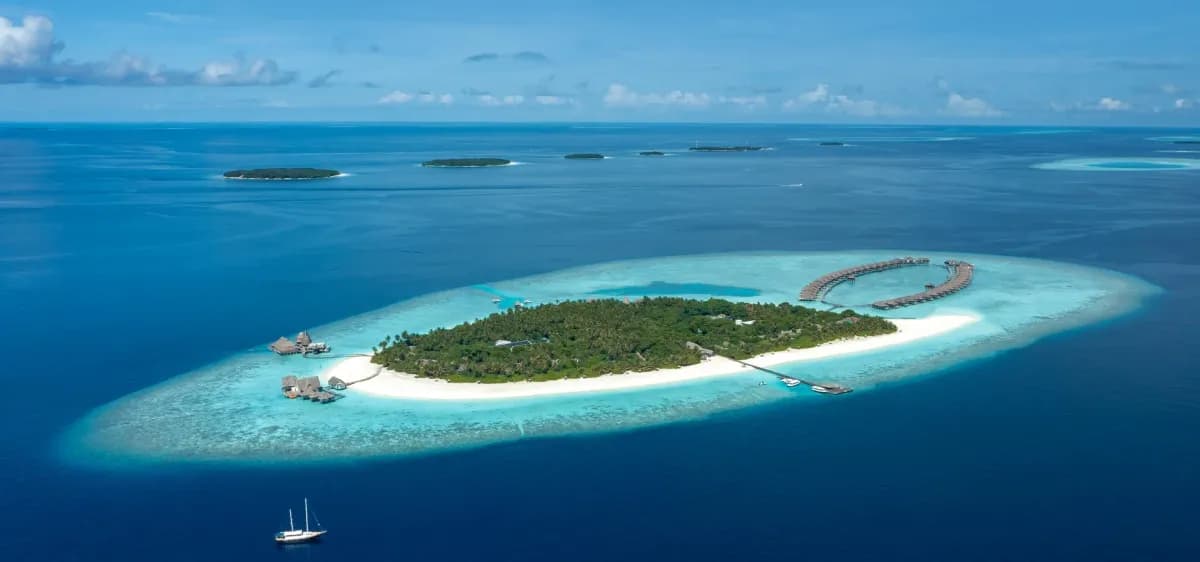
Anantara Kihavah Maldives Villas
Full reviewBest known for its underwater restaurant and observatory.
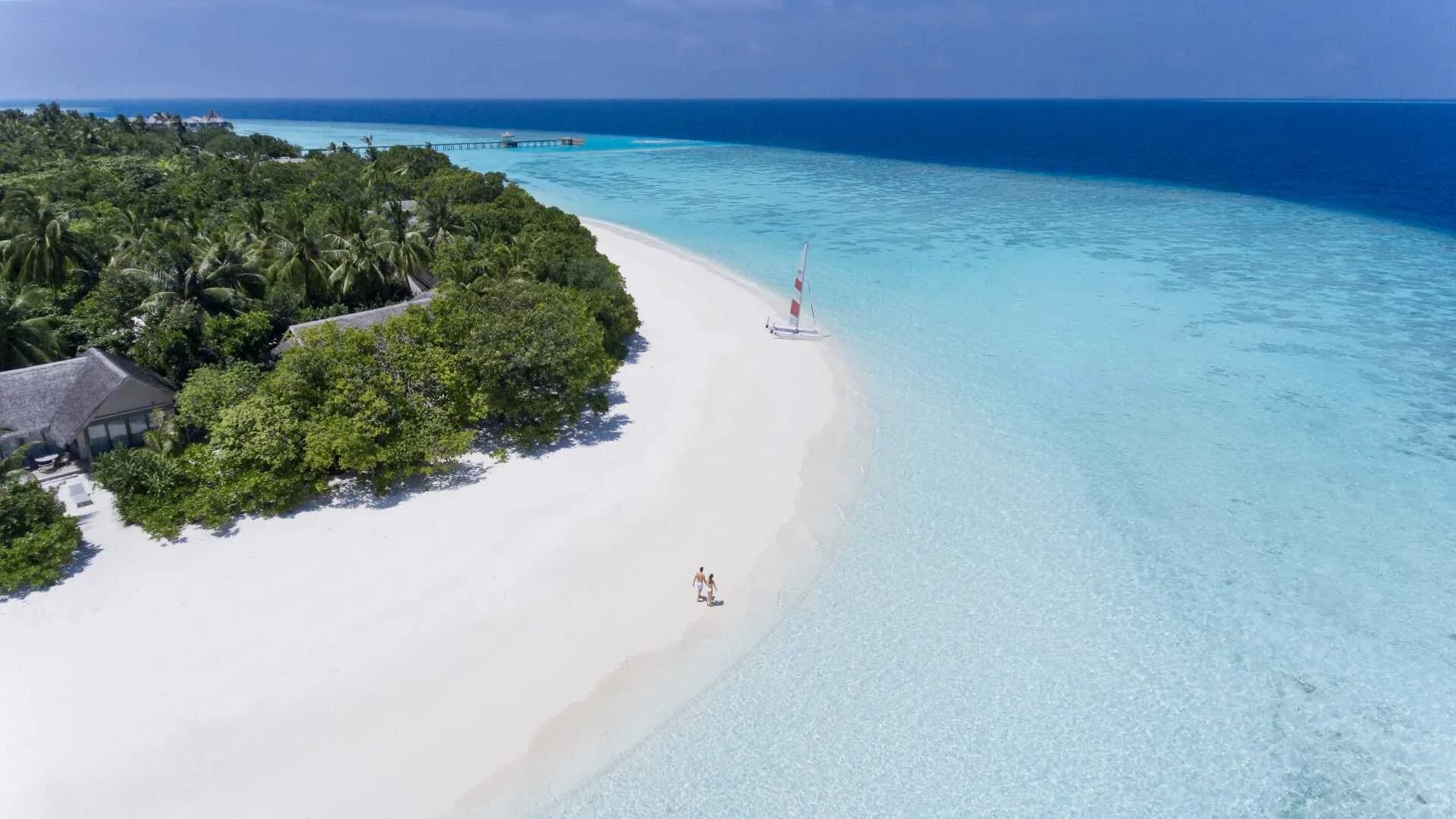
Vakkaru Maldives
Full reviewIndependent luxury family-strong resort on Vakkaru island, central Baa Atoll UNESCO Biosphere Reserve.
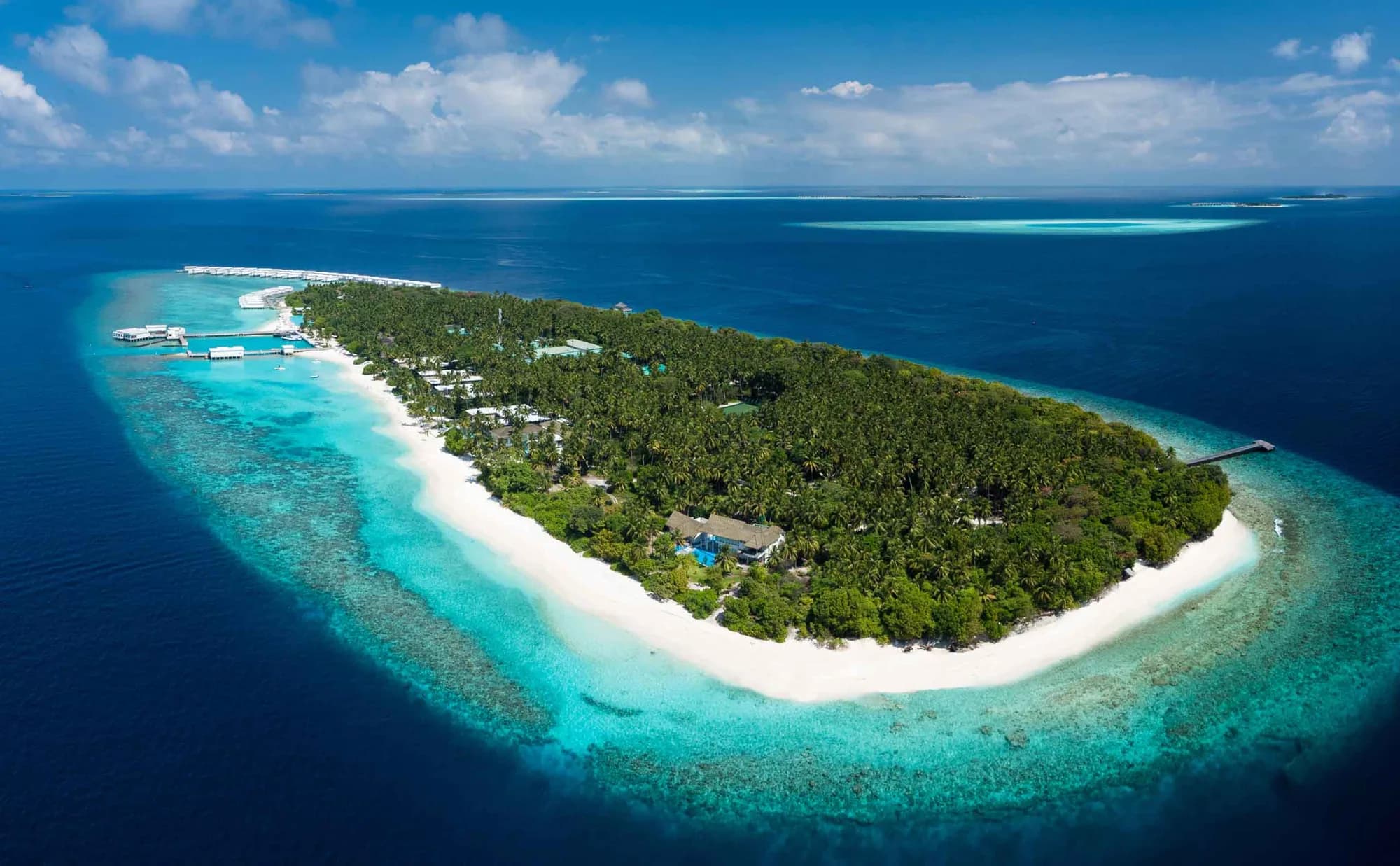
Amilla Maldives
Full reviewIndependent ultra-luxury resort on Amilla Fushi island, Baa Atoll UNESCO Biosphere Reserve.
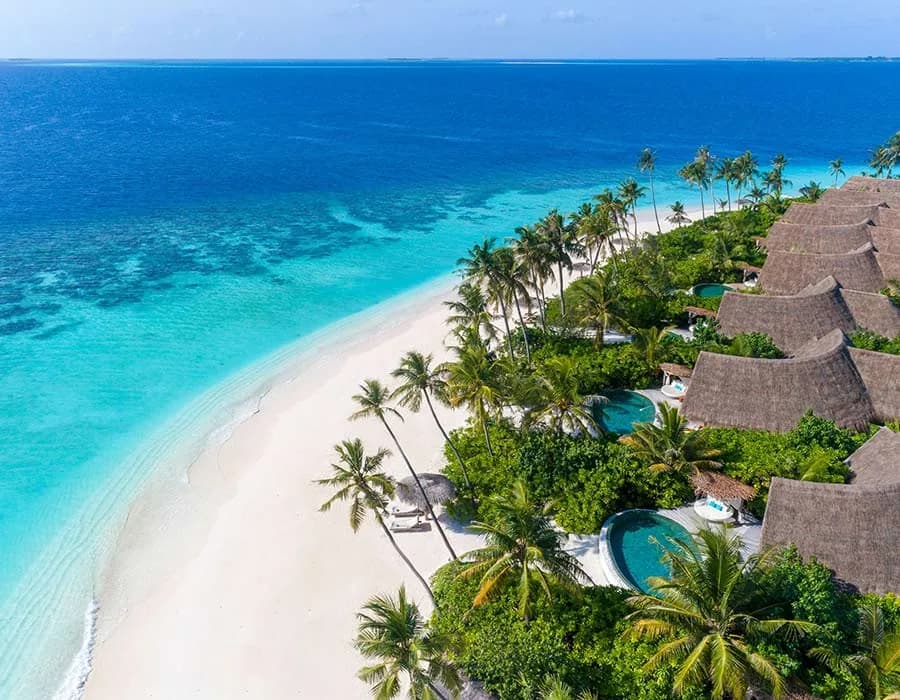
Milaidhoo Island Maldives
Full reviewMaldivian-owned boutique-luxury on Milaidhoo island, Baa Atoll UNESCO Biosphere Reserve.
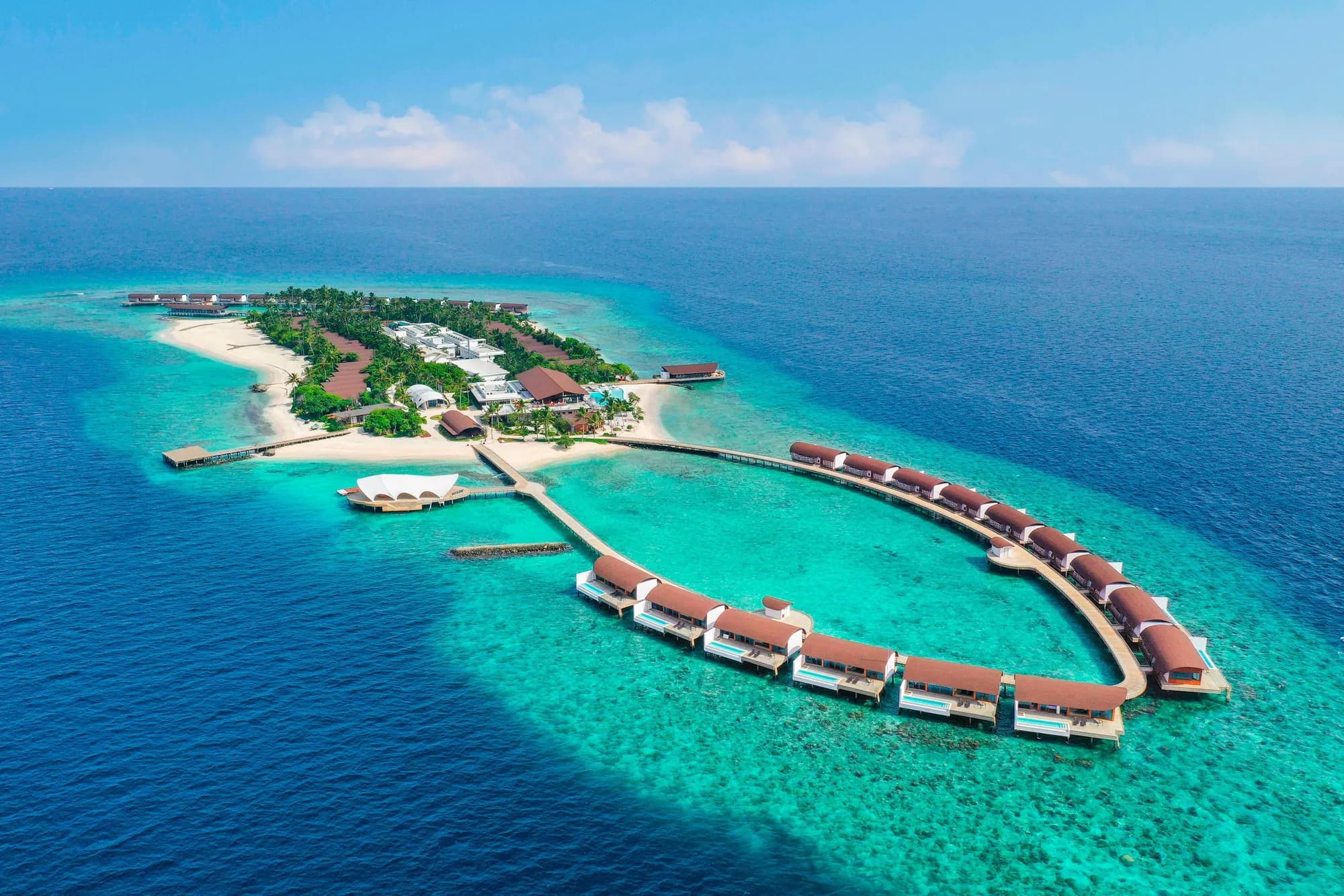
The Westin Maldives Miriandhoo Resort
Full reviewMarriott Westin-flag chain-luxury on Miriandhoo island, Baa Atoll UNESCO Biosphere Reserve.
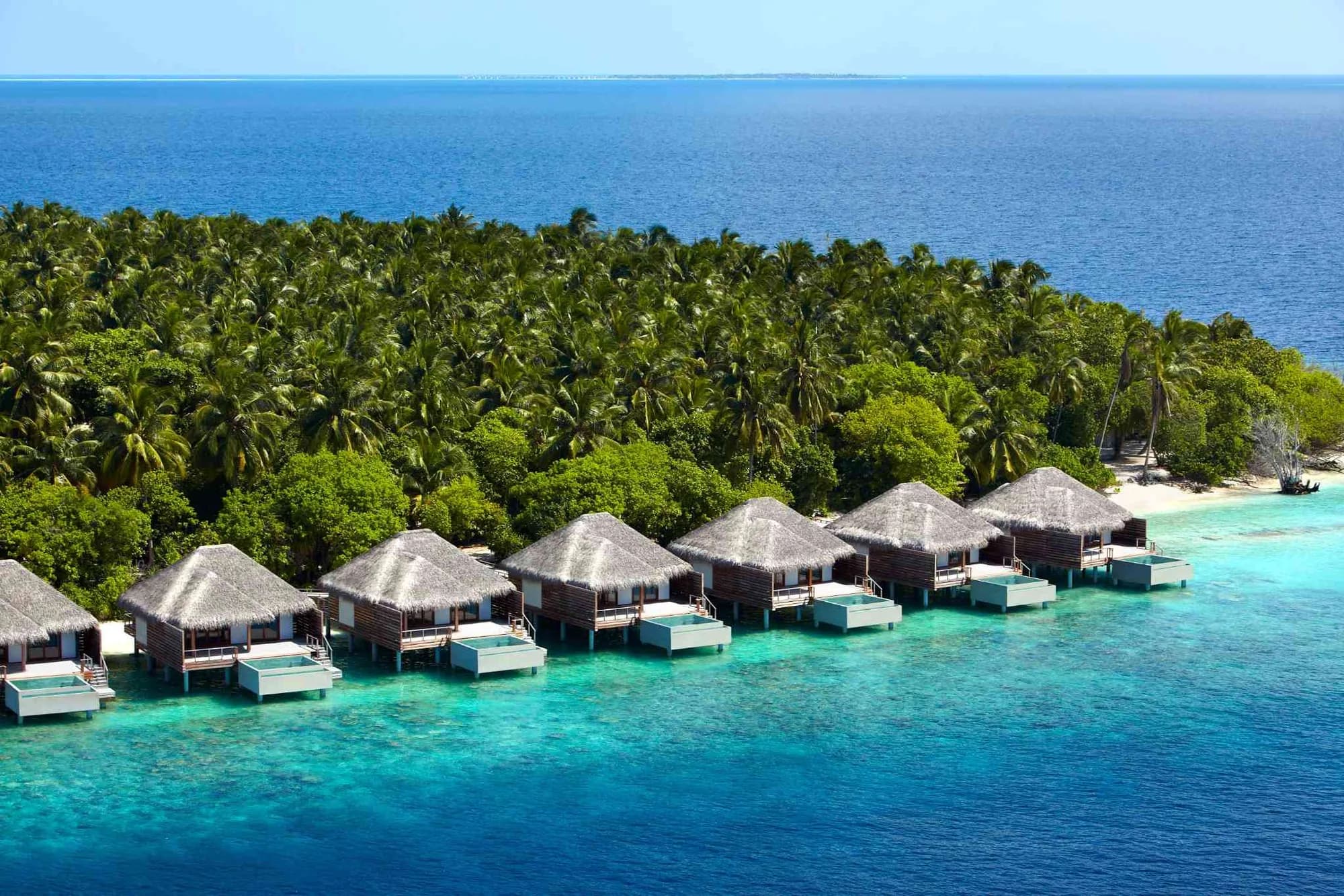
Dusit Thani Maldives
Full reviewDusit International Thai-headquartered chain-luxury on Mudhdhoo island, Baa Atoll UNESCO Biosphere Reserve.
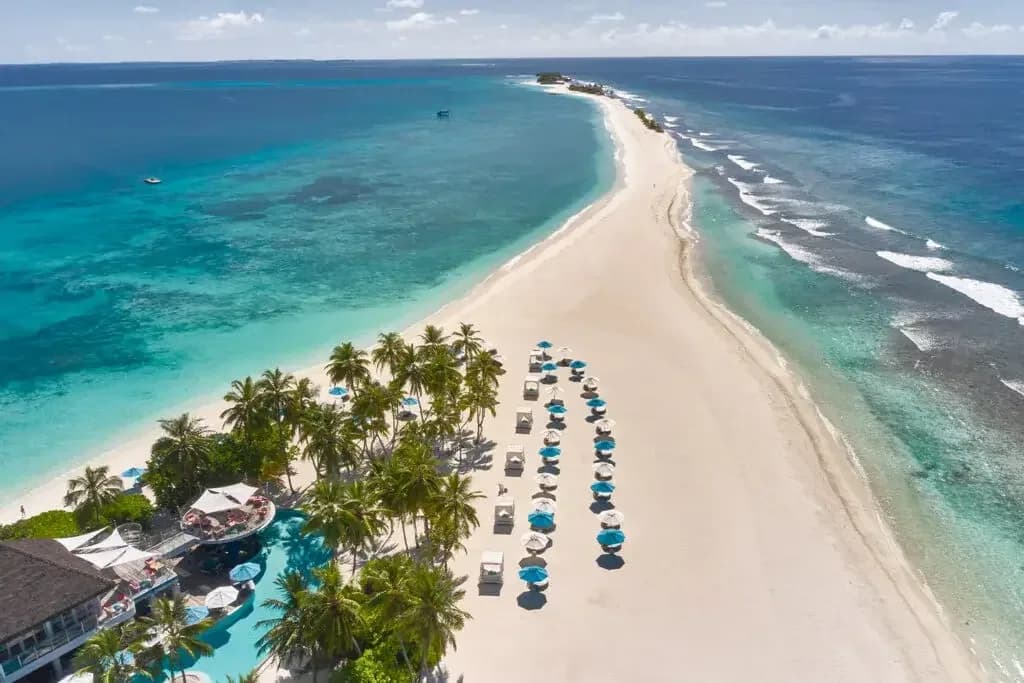
Finolhu Baa Atoll
Full reviewSeaside Collection retro-design lifestyle-resort on Kanufushi island, Baa Atoll UNESCO Biosphere Reserve.
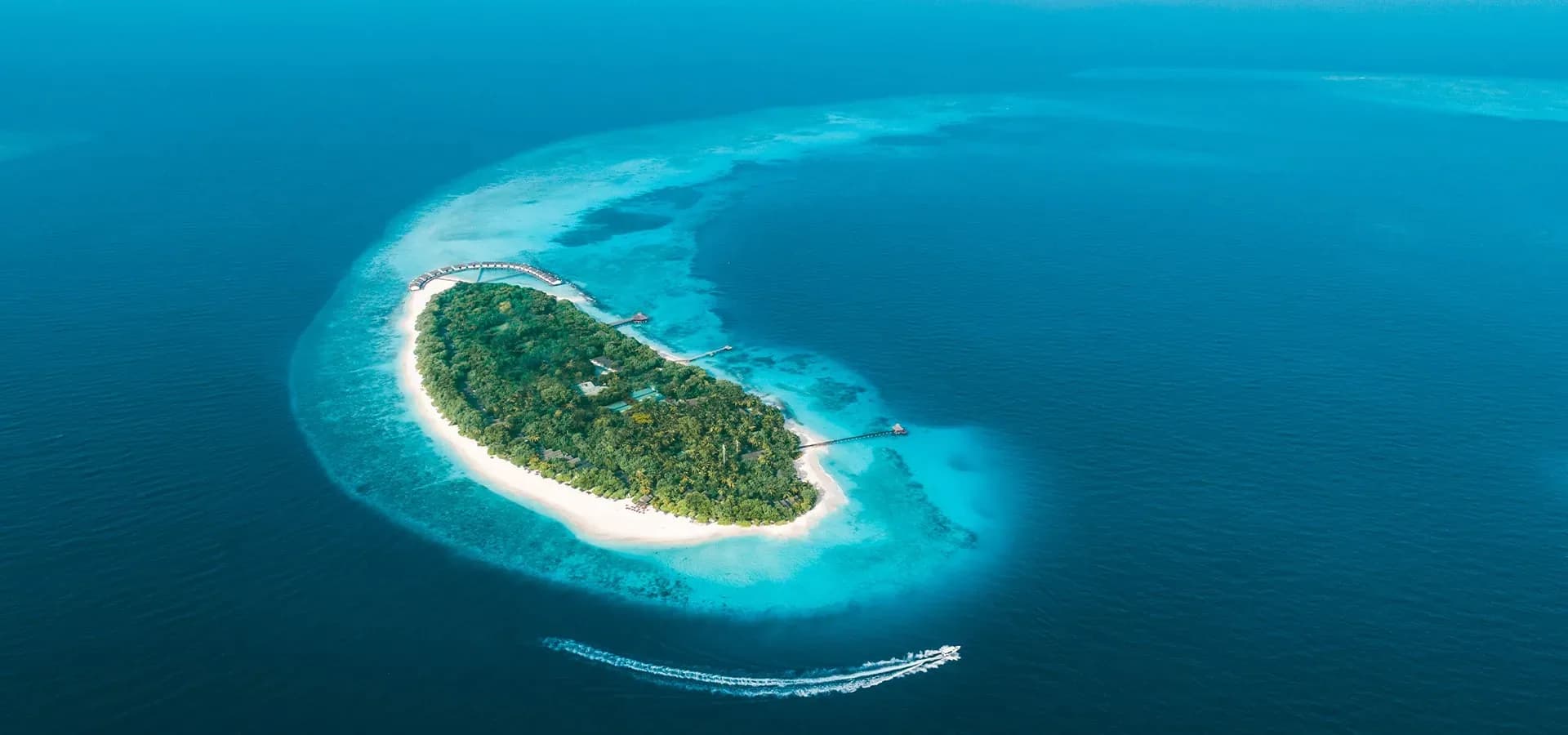
NH Collection Maldives Reethi Resort
Full reviewAaa Hotels & Resorts Maldivian-owned long-tenure mid-range all-inclusive on Fonimagoodhoo island, Baa Atoll UNESCO Biosphere Reserve.
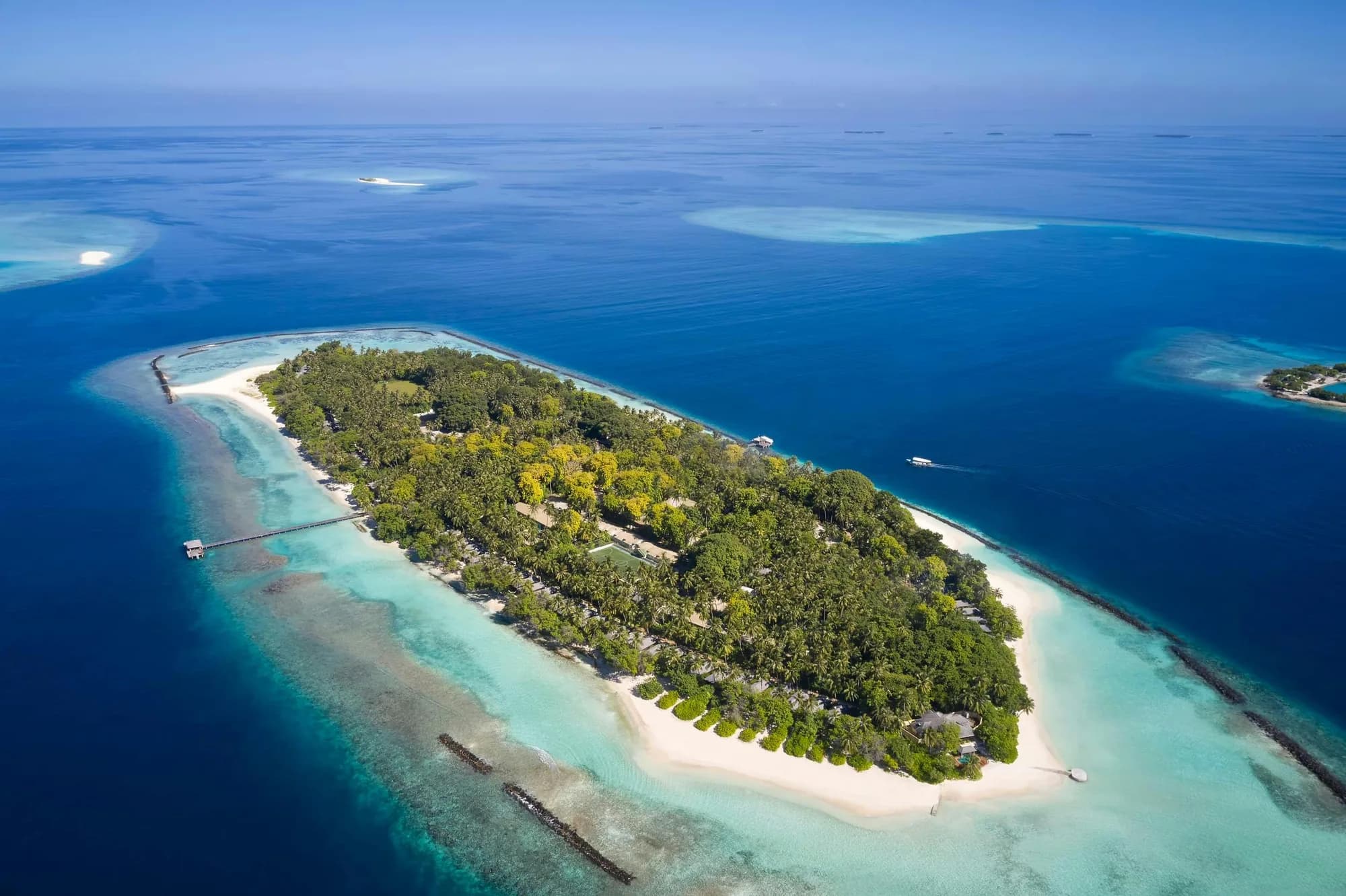
Royal Island Resort & Spa
Full reviewMaldivian-owned long-tenure premium-all-inclusive on Horubadhoo island, Baa Atoll UNESCO Biosphere Reserve.
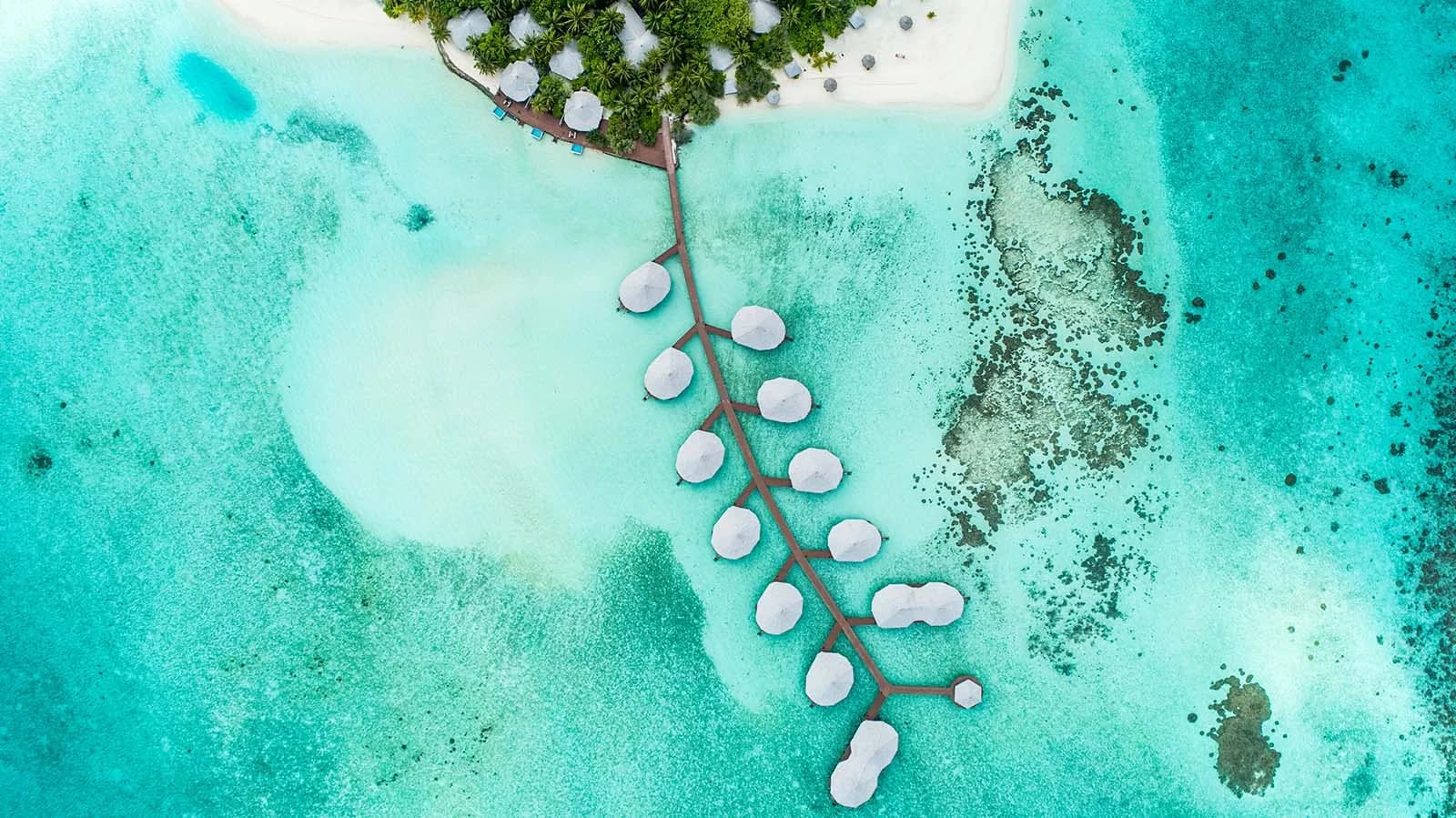
Kihaa Maldives
Full reviewItalian-managed premium-all-inclusive on Kihaadhuffaru island, Baa Atoll UNESCO Biosphere Reserve.
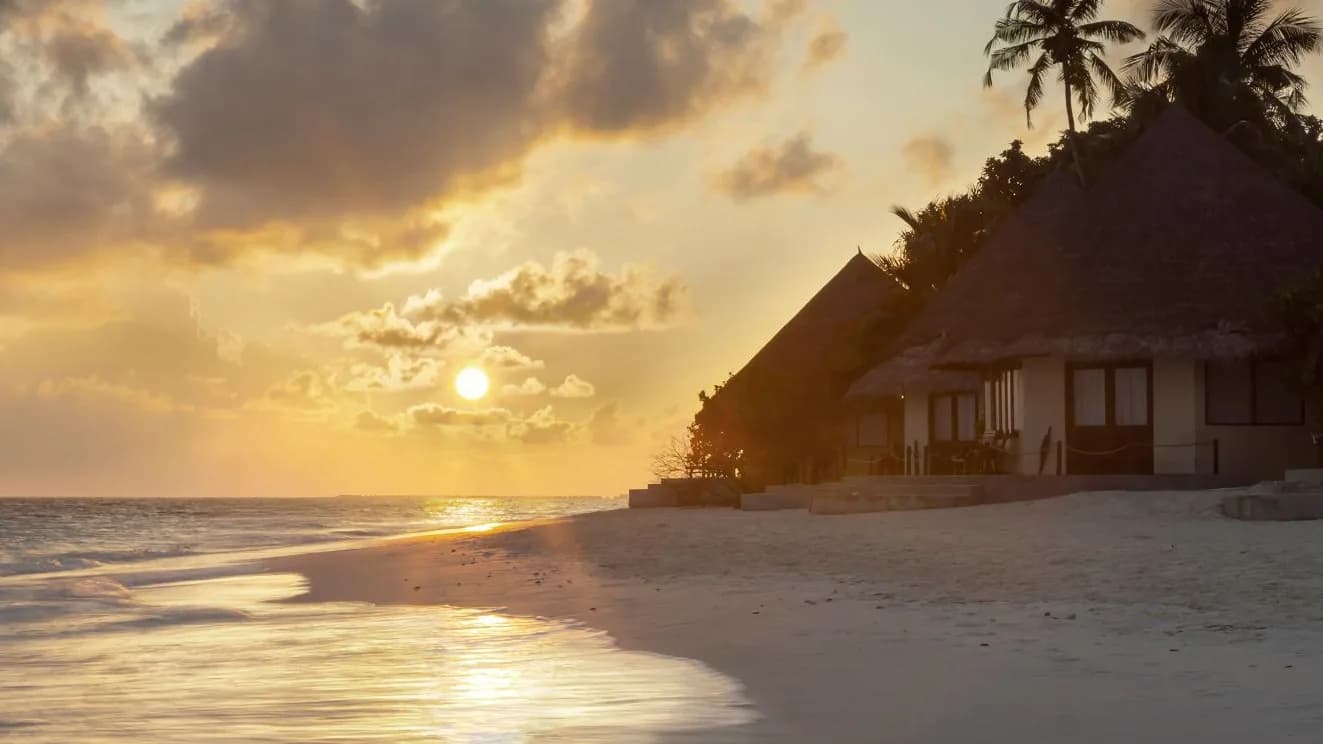
Coco Palm Dhuni Kolhu
Full reviewCoco Collection Maldivian-owned long-tenure boutique-luxury on Dhuni Kolhu island, Baa Atoll UNESCO Biosphere Reserve.
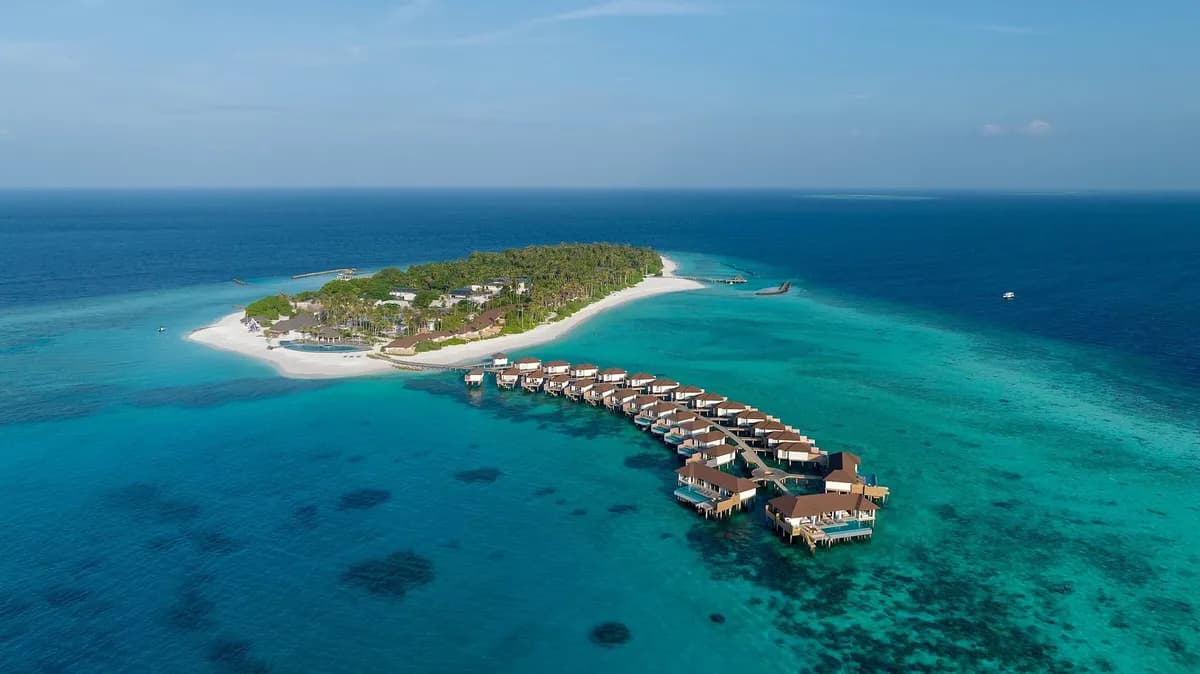
Avani+ Fares Maldives Resort
Full reviewMinor Hotels Avani+ sub-brand entry on Fares island, Baa Atoll, opened 2023.
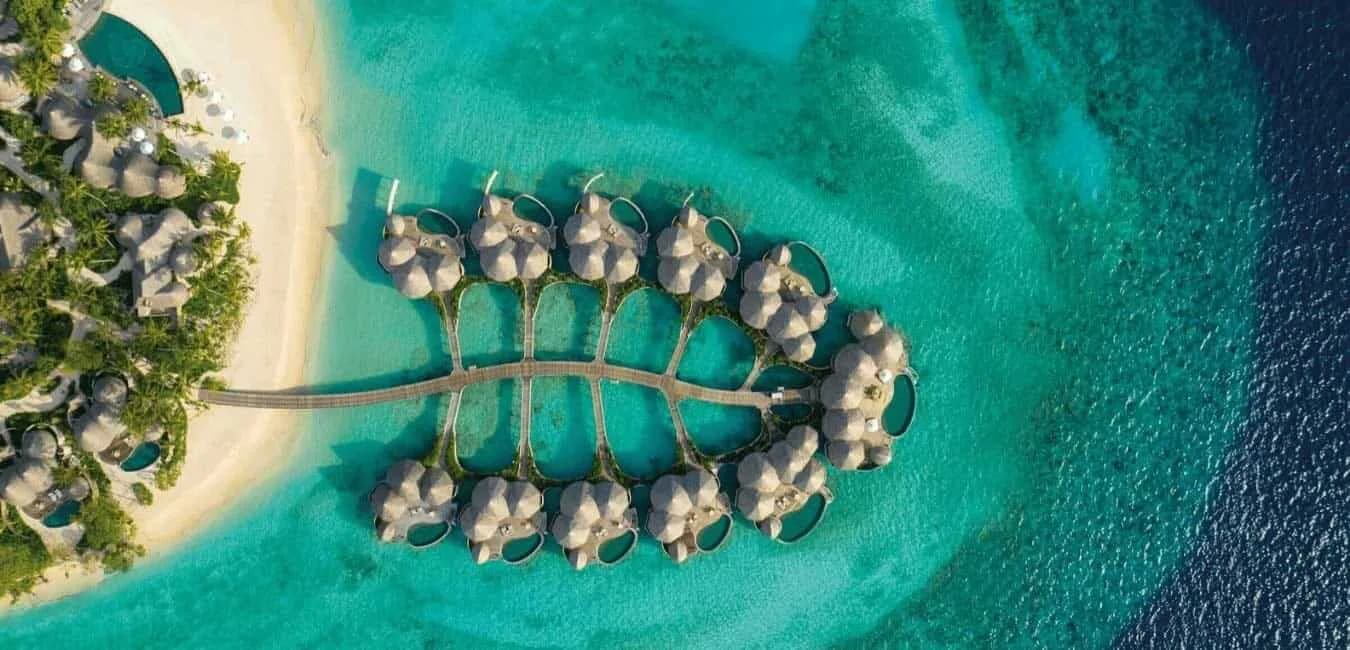
The Nautilus Maldives
Full reviewIndependent Maldivian-owned ultra-luxury on Thiladhoo island, Baa Atoll UNESCO Biosphere Reserve.
Diving and the marine event
Hanifaru Bay is the reason most divers and snorkellers travel specifically to Baa. The bay is a closed-mouth pocket of reef on the eastern edge of the atoll where, on certain tide and wind combinations between roughly June and November, plankton accumulates in densities high enough to draw reef mantas in feeding aggregations. On peak days, ranger counts have exceeded 200 mantas in a single tide; whale sharks join intermittently. The aggregation is one of the largest reef-manta events documented anywhere in the world.
Access to the bay is permit-controlled. Every Baa resort holds permits and runs boats to the entrance; you book a 45-minute window through your resort, ride out with a ranger, snorkel only (no diving, no fins for boats arriving outside the permit holder list), and rotate out at the bell. The rules are why the aggregation keeps returning. Wind shifts can shut the bay down for a day or two at a time, so most visitors plan three or four windows across a stay and accept that one or two will not happen.
Outside Hanifaru, the atoll's diving runs to about fifty named sites, ranging from inner-atoll reef walls to outer channel drifts. Reef manta sightings are regular at Dhonfanu Thila and a handful of cleaning stations the resort dive centres rotate through. Whale shark sightings outside Hanifaru are occasional rather than seasonal. The general dive profile of the atoll is upper-end-of-average; the marine event is what sets it apart.
Local islands and culture
The atoll's capital is Eydhafushi, on the eastern edge. Dharavandhoo (which also hosts the domestic airport) is the most-visited local island, with a developed guesthouse cluster. Other inhabited islands, Kihaadhoo, Hithaadhoo, Maalhos, Kendhoo, Kamadhoo, Kudarikilu, Goidhoo, Fulhadhoo, Fehendhoo, Thulhaadhoo, Dhonfanu, vary in tourism footprint from quietly developing to entirely local.
Hithaadhoo retains an active dhoni-building tradition, the traditional wooden boats that anchor Maldivian fishing and transfer culture. Thulhaadhoo is known for lacquer work. Most resorts in the atoll run a local-island excursion at some point in the week; Maafushi-style mass tourism has not (yet) reached Baa, and the local-island day reads quieter than its central-atoll equivalents.
Getting to Baa from Malé
Two routes:
- Seaplane, 30 to 40 minutes. Trans Maldivian Airways serves every resort in the atoll. Operating window is roughly 06:30 to 16:00 local. Late international arrivals (after about 14:30 into Velana) typically overnight at the airport hotel and fly the next morning; the resort coordinates this.
- Domestic flight to Dharavandhoo plus speedboat, 60 to 90 minutes total. The domestic leg runs 20 to 25 minutes; the onward speedboat from Dharavandhoo to the resort is 10 to 25 minutes depending on island. Operates around the clock, which is the lever for late-arriving international flights or those leaving the Maldives at uncomfortable hours.
Round-trip seaplane and domestic-plus-speedboat fares are quoted at booking and shift seasonally; they tend to land within a narrow band of one another. Resorts on the southern edge of the atoll (Soneva Fushi, Vakkaru) are typically the shortest transfer; those on the northern reaches (Westin Miriandhoo, Dusit) sit at the longer end of the seaplane window.
Best time to visit
Two answers depending on what you are travelling for.
For the marine event: mid-August through early November, with the most reliable manta sightings in late September and October. Earlier September can produce thin aggregations; late November tapers as the plankton-bringing currents shift. The wet season is in effect during this period, so a stay catches occasional heavy showers; full days of rain are uncommon and the sea state usually permits boat access on most mornings.
For everything else: February through April is the peak dry window with the lowest realistic chance of multi-day rain. Late February through mid-March is the sweet spot: dry weather without the December-holiday rate spike. May and June see the southwest monsoon arrive; sea state can complicate Hanifaru access early in the period, but rates drop noticeably.
The UNESCO Biosphere designation
The Baa Atoll Biosphere Reserve was inscribed by UNESCO under the Man and the Biosphere Programme in 2011. The reserve is zoned: a core area centred on Hanifaru and a handful of other sensitive sites, a buffer zone covering most of the atoll's inner reef structures, and a transition zone where resorts and local-island communities sit. The designation does not turn the atoll into a national park; it commits the atoll's tourism and fishing industries to a managed conservation framework, audited periodically.
For the traveller, the designation shows up in three practical ways. First, the Hanifaru permit system and its enforcement. Second, the proliferation of marine biology programmes at resorts in the atoll (Four Seasons Landaa Giraavaru, Anantara Kihavah, Soneva Fushi, Vakkaru, Westin Miriandhoo all run some form of in-house programme). Third, the higher baseline expectation on resort sustainability practices, plastic reduction, waste management, reef-safe sunscreen policies. None of these is unique to Baa, but the density of resorts adopting them is.
Baa compared
Useful comparisons for picking between Baa and the alternatives.
- Baa vs Noonu: Noonu sits one atoll north and one tier richer. The resorts in Noonu (Soneva Jani, Cheval Blanc Randheli, Velaa) play at the same top-luxury level as Baa's headline names, but Noonu has no manta event of its own. Pick Baa if marine life is the reason. Pick Noonu if seclusion at the top tier is the reason.
- Baa vs North Malé: North Malé is closer to the airport, denser, and cheaper at the mid-range tier. Baa requires a seaplane or domestic-flight transfer; the trade-off is quieter water and the UNESCO designation. Pick North Malé for a shorter holiday or a stricter budget. Pick Baa for an eight-night-plus stay where the transfer is amortised.
- Baa vs Raa: Raa is the atoll Baa was thirty years ago, fewer resorts, recent openings, less infrastructure. The newer Raa resorts (JOALI, InterContinental Maamunagau, The Standard) are excellent but the atoll lacks the UNESCO standing and the marine event. Pick Raa for the JOALI properties specifically. Pick Baa for everything else.
Related
- Noonu Atoll, one atoll north, one tier richer, no manta event.
- Raa Atoll, the atoll Baa was thirty years ago.
- Maldives honeymoon hub, atoll, transfer, villa and month decision framework.
- How we choose what to write, editorial standards behind every page.
Maldives Idylls editorial. Verified 11 May 2026. Next refresh: 11 May 2027.