A Maldives honeymoon, read carefully
A honeymoon in the Maldives is one of the most expensive decisions a couple makes in their first year of marriage. The brochure version is identical across forty resorts. The reality is not. This hub is the synthesis of 4,200 trip reports, dive logs, and honest reviews, translated into the four questions a couple actually has to answer.
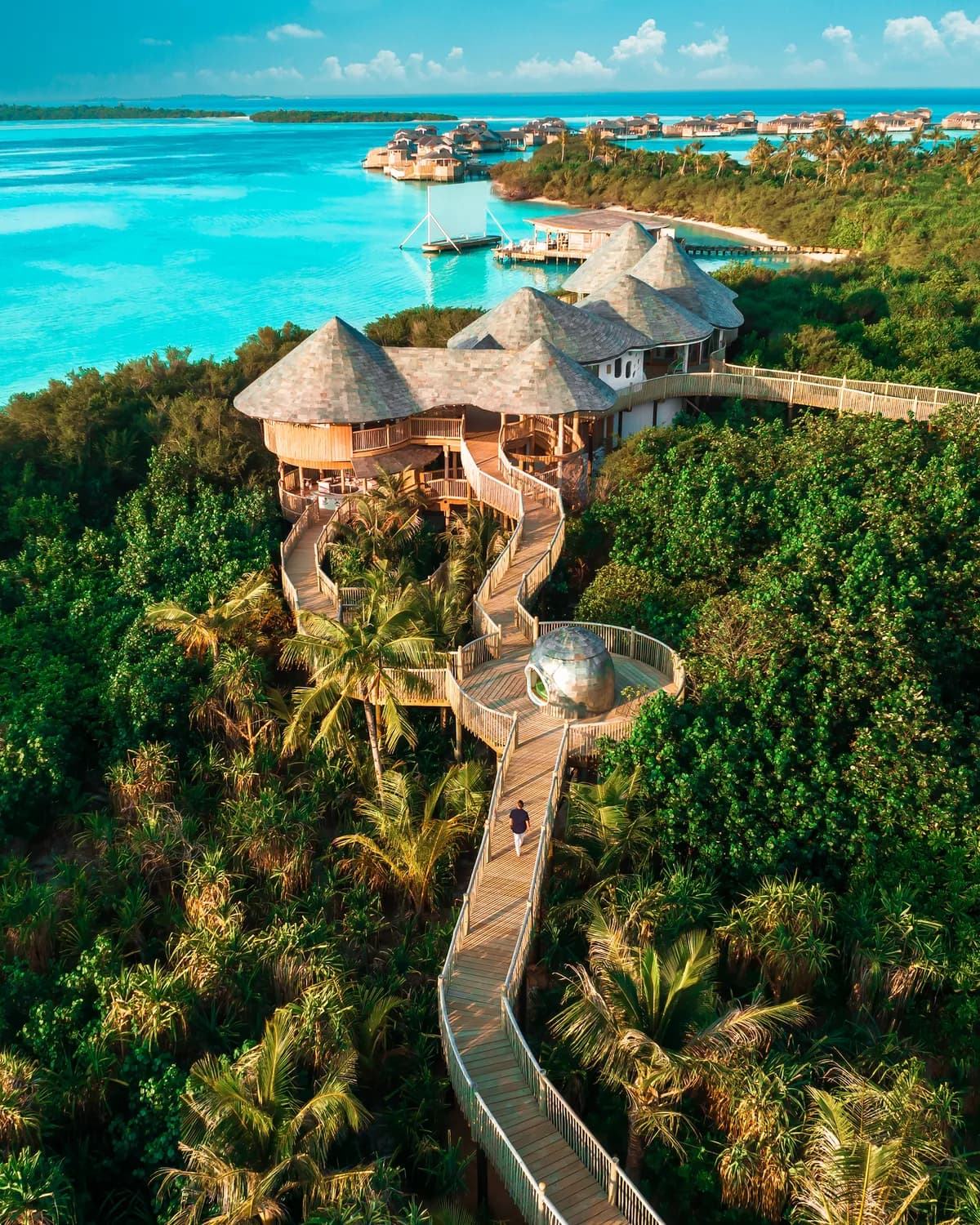
The four questions
Most honeymoon planning gets stuck on the wrong question. The right four, in order:
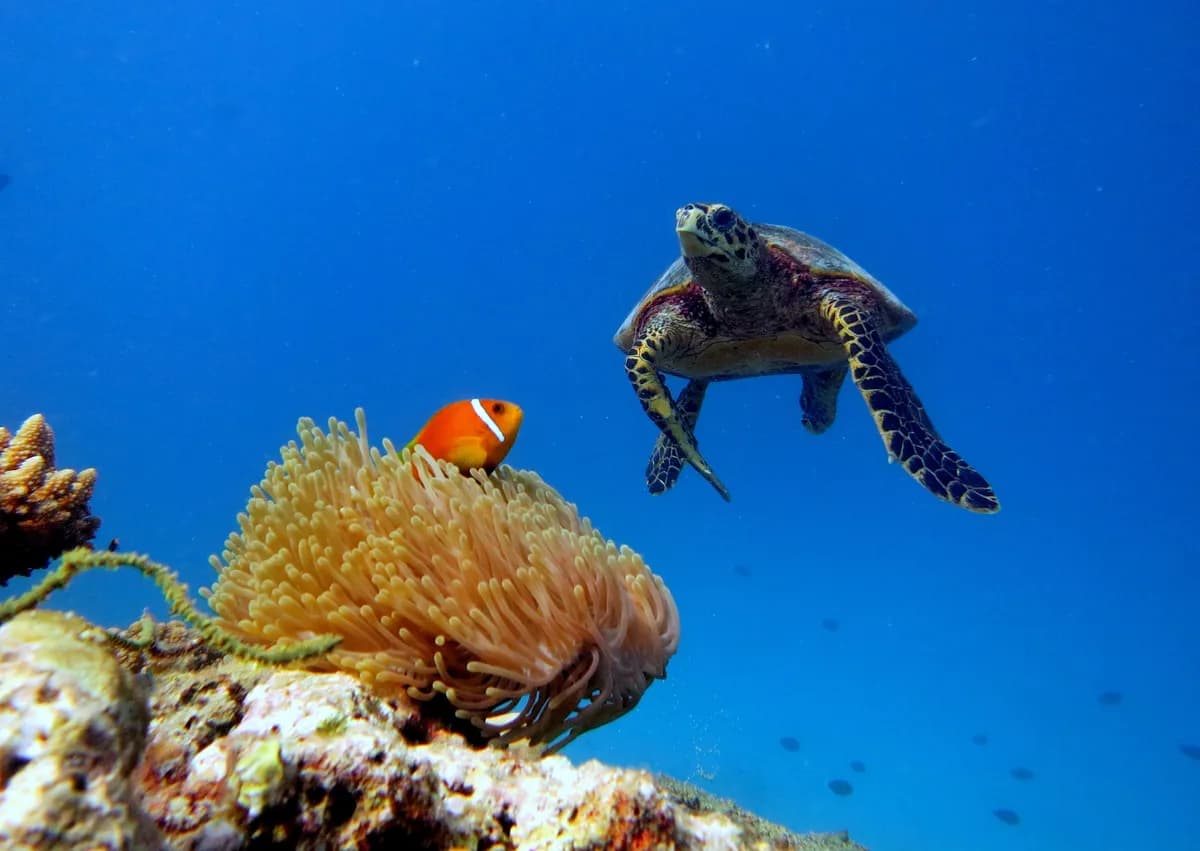
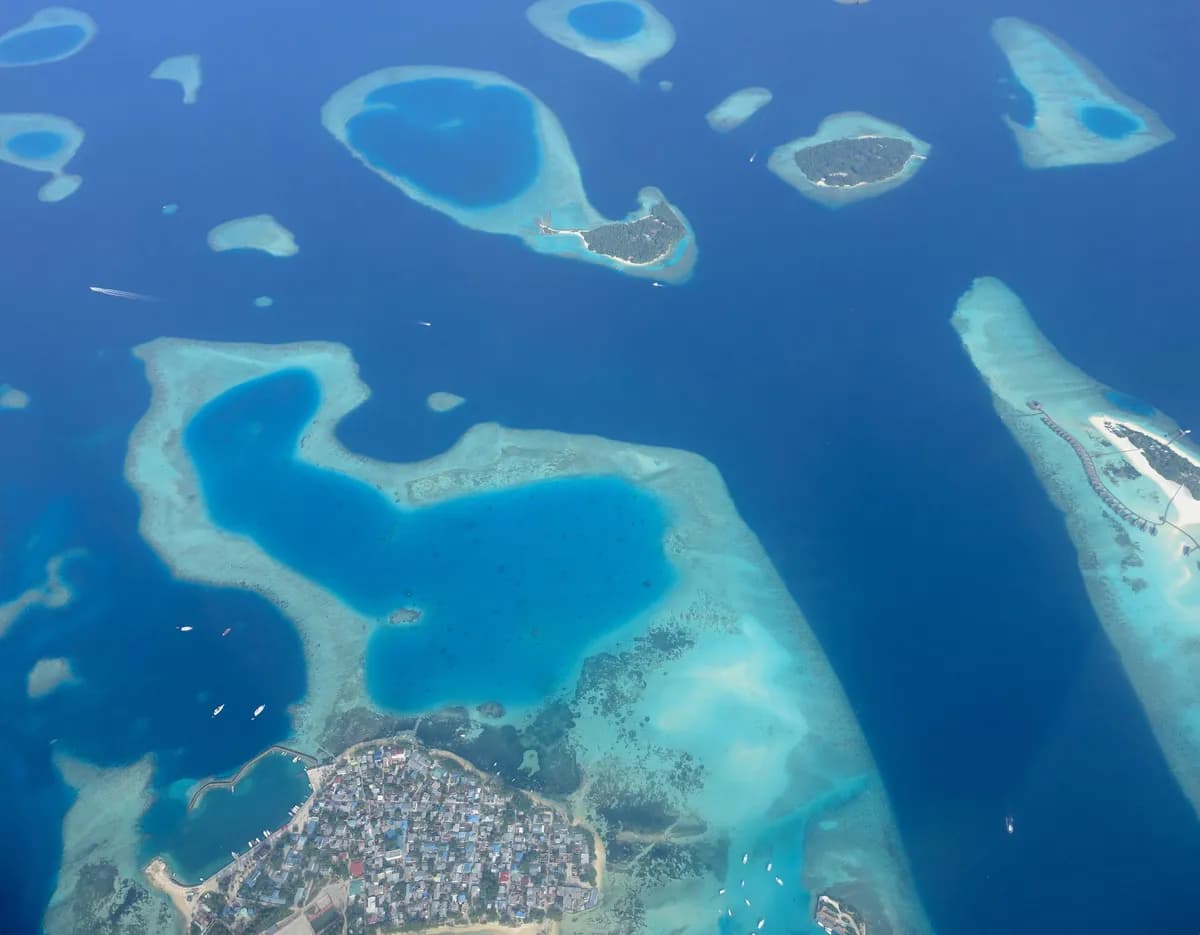
- Which atoll? Not all 26 atolls are interchangeable. Baa is for marine life from August to November. Noonu is for isolation and the highest tier. South Ari is for divers who also want their partner to have a beach. North Malé is for couples who refuse the seaplane. Pick the atoll first; the resort second.
- Which transfer? The seaplane is part of the holiday for some, the deal-breaker for others. A seaplane to a remote atoll runs forty minutes and a meaningful fare on top of the room rate. A speedboat from a North Malé resort is twenty minutes and a fraction of that. Exact fares are quoted at booking and shift seasonally; the transfer math reshapes which atolls are realistic on a given budget.
- Which villa type? Over-water has the photograph the marketing wants. Beach-pool has the morning the couples actually report enjoying. Beach villas without pools are the value choice and the under-rated one. The blanket "over-water is best for honeymoon" line is wrong roughly half the time, and we explain why on the over-water guide.
- Which month? December to April is dry season and peak rate. February has the lowest realistic chance of rain. May to early November has the southwest monsoon, quieter, cheaper, and home to the manta and whale shark aggregations. Late October is the sweet spot most honeymooners do not consider.
Each of those four questions has a cluster guide below. Read whichever one you have not made up your mind about. Skip the ones you have.
Where most honeymoon write-ups go wrong
Three failure modes recur across the honeymoon-resort content that ranks on Google today. Saying so is the entire point of this site.
The over-water default. The over-water villa is the photograph that sells the trip. It is not always the right room. A first-floor over-water at 14:00 in the dry season runs hot. The under-deck snorkelling that the brochure promises sits over coral in fewer than 40% of resorts. Repeat guests on the trip-report forums tilt toward beach-pool villas by a noticeable margin after their second stay. This is the kind of fact a sponsored blog cannot publish, and which determines how you spend your honeymoon mornings.
The five-night default. Five nights is the package-tour shape. It does not match the way the islands are built. The full-day spent flying in and the half-day spent flying out leave three usable middle days, and on one of those the jet-lag fog is real. Eight nights is the floor at which the Maldives starts paying back the cost-per-day. Seven is acceptable. Five is expensive transit.
The "best honeymoon resort" listicle. Honeymoon is not a property of a resort. It is a fit between a resort and a couple. A couple who wants to dive every day and read on a deck between dives needs a different shortlist than a couple who wants spa-and-cocktails. The "best" framing flattens this and serves neither couple. The list we maintain is sorted by audience, not by ranking.
Which atoll?
Over-water villas, honestly
Best month
Our honeymoon shortlist
Six resorts that hold up to the inspection a honeymoon invites. Sorted by what they are best for, not by ranking.
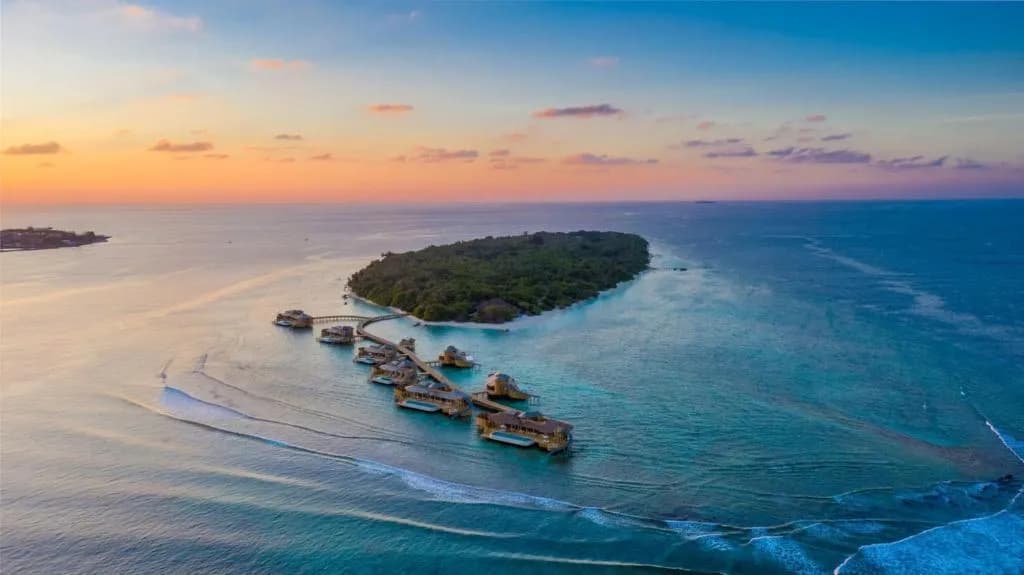
Soneva Fushi
Full reviewEco-luxury that holds up to its own claims. For couples who plan eight to twelve nights and care that the sustainability numbers are published, not slogan.
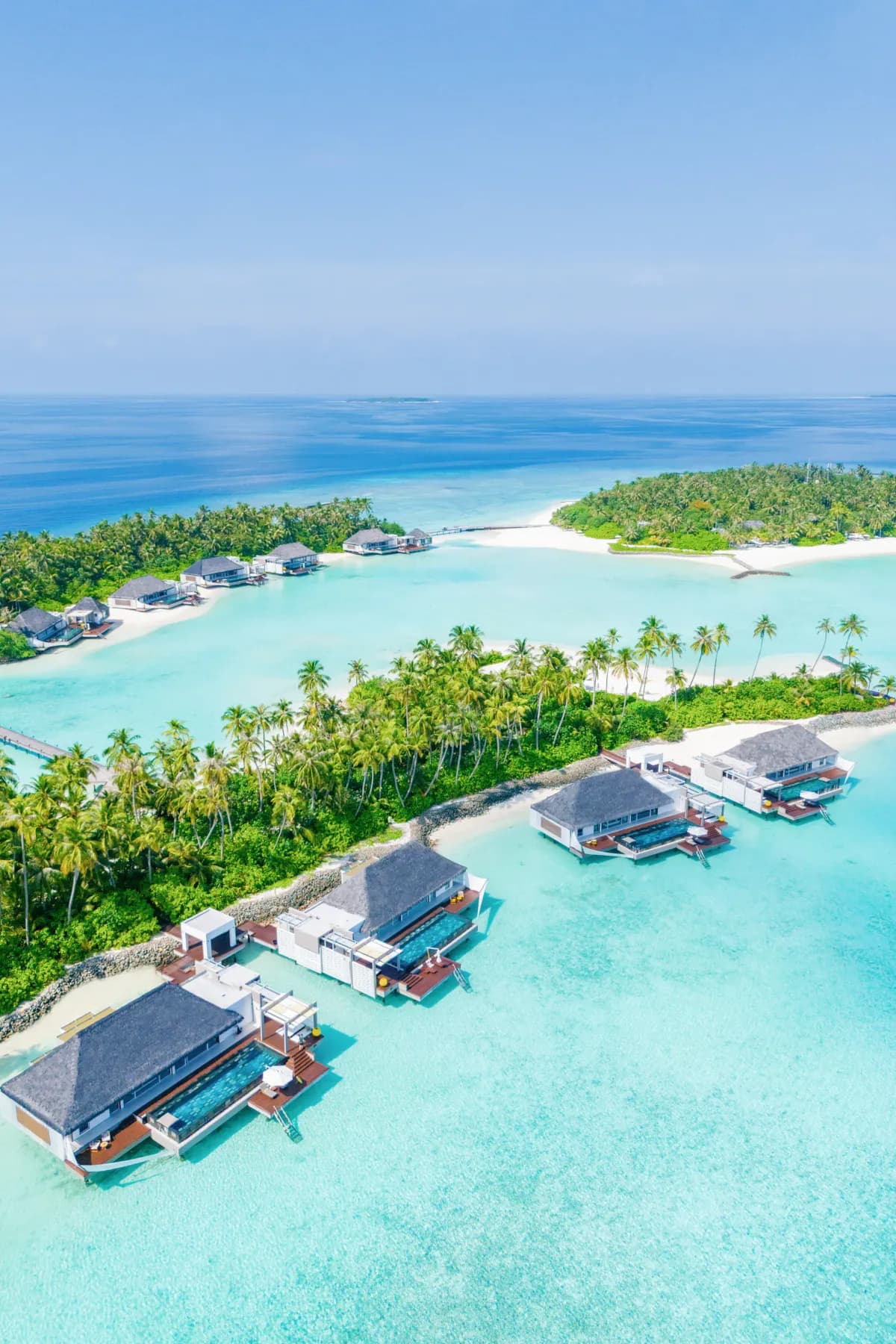
Cheval Blanc Randheli
ResearchingThe French luxury house at the top of the tier. Polished beyond anything else in the country. No greener-than-thou language; instead a Guerlain spa and Jaume Plensa on the beach.
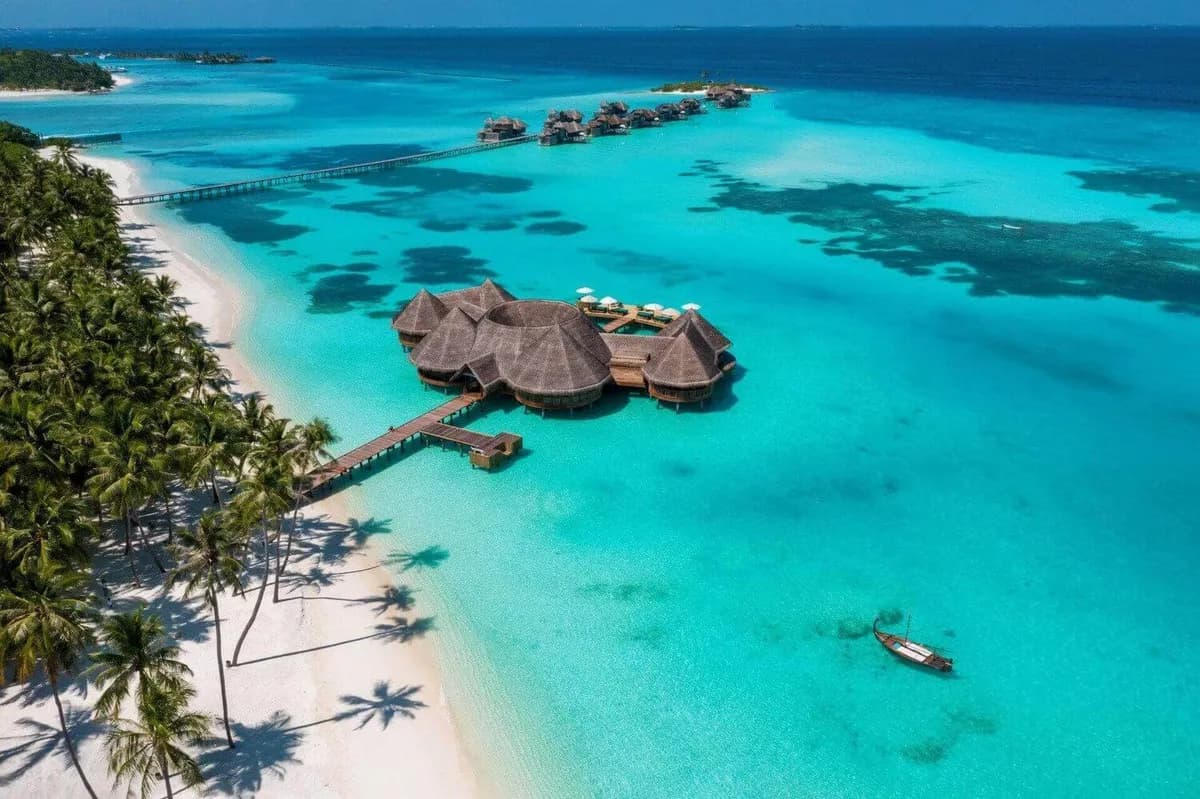
Gili Lankanfushi
ResearchingNo shoes, no news, no children. Twenty minutes by speedboat from Velana. The over-water bungalows here are among the few that earn the photograph.
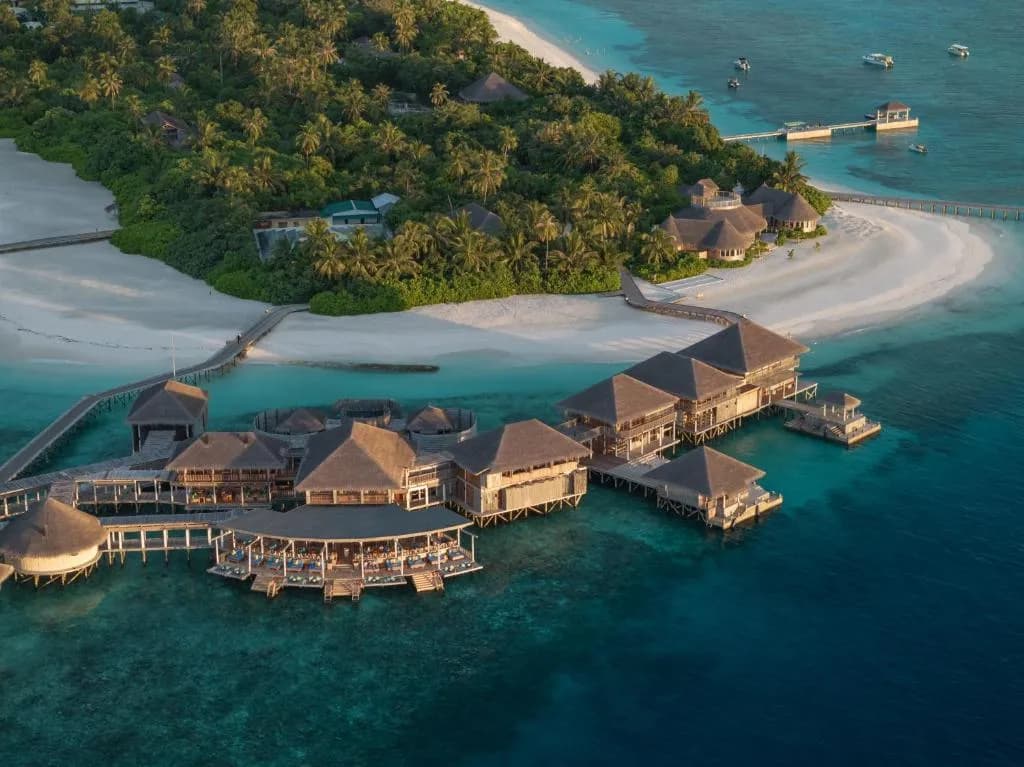
Six Senses Laamu
ResearchingThe southern sibling. The most editorially interesting marine biology programme in the country, surf out front from May, and a slower pace than the resorts in the central atolls.
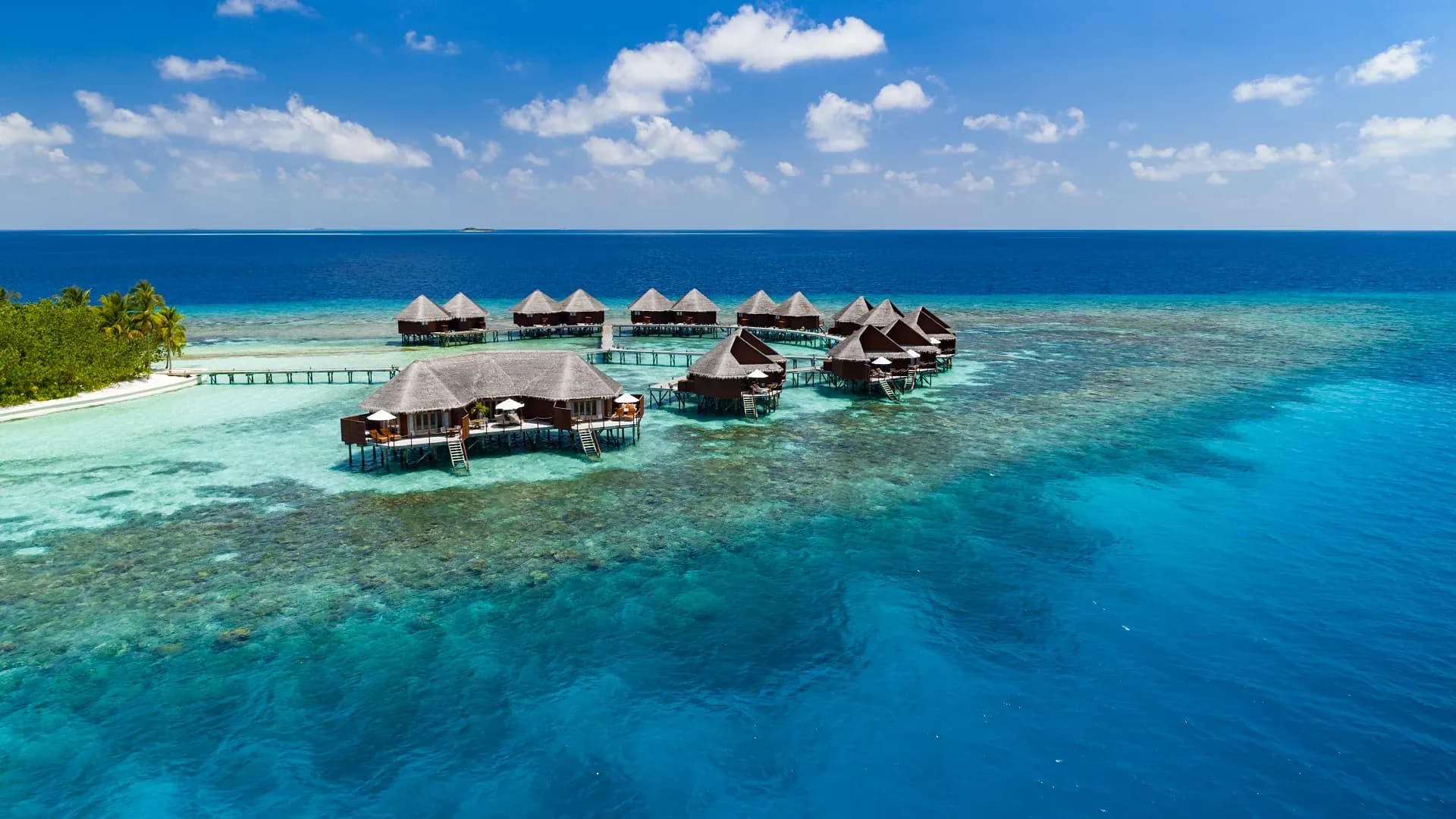
MGallery's first Maldives resort, a ground-up early-2026 rebuild of the small Mirihi island in South Ari into 42 quiet-luxury villas. The house reef that made the island famous, among the country's best for shore snorkelling, survived the rebuild intact.
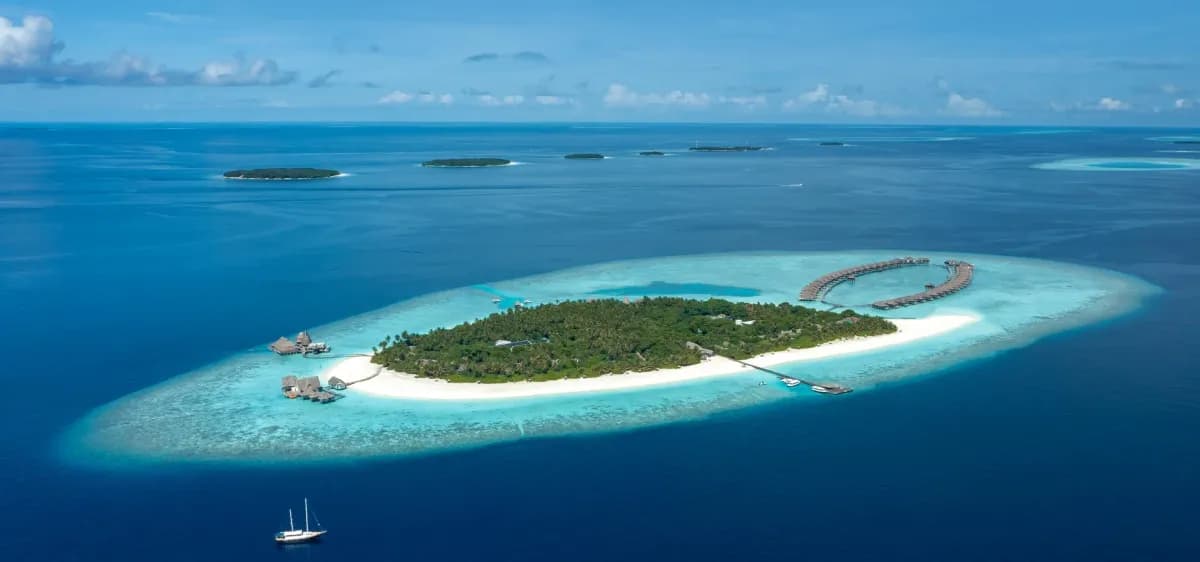
Anantara Kihavah
ResearchingAn underwater restaurant that some couples treat as the trip and others treat as a gimmick. The Baa Atoll location puts Hanifaru Bay within a 30-minute boat.