When to visit the Maldives
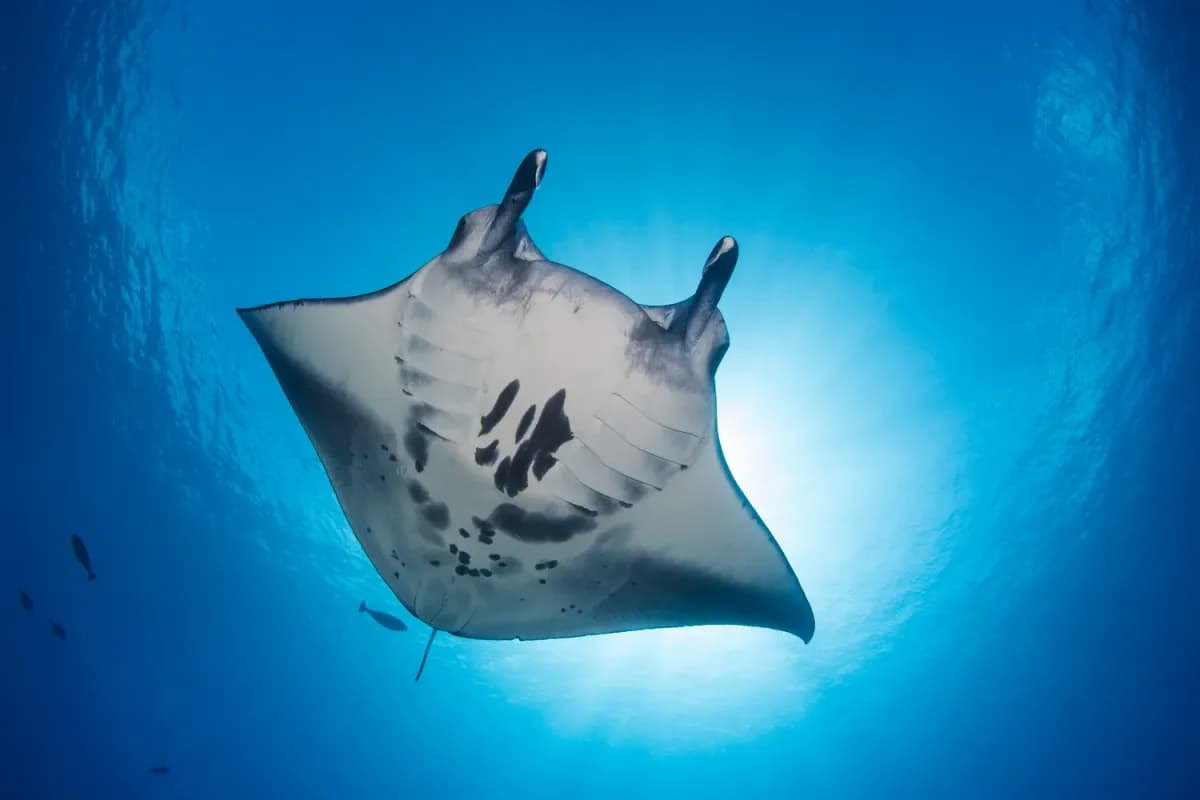
The Maldives runs on two monsoons, not four seasons. The dry northeast monsoon (its core is January to March, with December and April as transitional shoulders) brings the calm seas and clear light most travellers picture; the wet southwest monsoon runs mid-May to November. For a first trip, late February through March is the sweet spot: the driest weeks of the year, off the late-December price peak. Divers should weight the calendar differently, the manta aggregation at Hanifaru Bay peaks July to November and South Ari holds whale sharks year-round.
The two monsoons, and why the simple version misleads

The Maldives does not have four seasons. It has two monsoons. The northeast monsoon, iruvai in Dhivehi, is the dry season; the Maldives Meteorological Service places its core at January to March and treats December and April as transitional shoulders. The southwest monsoon, hulhangu, is the wet season, running from the middle of May through November. Almost every "best time" claim about the country is a restatement of which monsoon you are booking into.
The popular shorthand, that December to April is dry, is close enough for a booking decision but it blurs the edges that matter on the ground. December still carries the transitional showers that tail off as the northeast monsoon settles in, and April is the humid hinge before the wet season returns. The truly reliable dry weeks are the heart of the period, late January through March.
Rainfall is also not uniform across the archipelago. It climbs from north to south: the northern atolls average roughly 1,779 mm a year, the central atolls around 1,966 mm, and the southern atolls about 2,218 mm. A June week in the far south reads materially wetter than the same week up north, which is one reason the atoll you choose interacts with the month you travel. The heaviest rain across the country falls June through August, the core of the southwest monsoon, and even then it tends to arrive as short heavy bursts rather than all-day grey.
Month by month, at a glance
The table below reads the calendar the way a planner does: the weather you can expect, what the crowds and rates are doing, and the marine highlight that month carries. Sea state and visibility track the monsoon, so the dry-season months also carry the cleanest underwater conditions on most reefs.
| Month | Season | Feel | Crowds & price | Marine highlight |
|---|---|---|---|---|
| January | Dry (NE monsoon) | Calm seas, clear skies settling in | High, post-New-Year | Whale sharks year-round in South Ari |
| February | Dry (NE monsoon) | Driest weeks, Male below 100 mm | High, half-term peak | Strong reef visibility |
| March | Dry (NE monsoon) | Dry and clear, light winds | High easing to shoulder | Whale shark encounter rates climb |
| April | Transitional | Warm, humid, the pre-wet hinge | Shoulder | Whale sharks pre-monsoon peak |
| May | Wet onset (from mid-month) | First squalls arrive | Low season begins | Manta season opens at Hanifaru |
| June | Wet (SW monsoon) | Heavier rain, livelier seas | Low, strong value | Manta numbers building; surf season |
| July | Wet (SW monsoon) | Wettest stretch with the south | Low, school-holiday bump | Hanifaru manta peak begins |
| August | Wet (SW monsoon) | Rain in bursts, warm water | Manta-driven demand | Hanifaru peak month, up to ~200 mantas |
| September | Wet shoulder | Wet but workable | Low, the value sweet spot | Manta peak; whale shark second peak |
| October | Wet shoulder | Rain easing through the month | Low, contrarian pick | Manta season tapering, still strong |
| November | Wet to transitional | Drying out toward month-end | Shoulder | Manta season closes |
| December | Transitional to dry | Clearing, festive energy | Peak: Christmas and New Year | Reef conditions improving |
The best window for most travellers

For a first Maldives trip, and for most couples who are not building the holiday around diving, the answer is late February through March. These are the driest weeks of the year (Male's rainfall drops below 100 mm in February and March), the seas are at their calmest, underwater visibility is at its strongest, and rates have come off the late-December peak. It is the cleanest overlap of good weather and sane pricing the calendar offers.
The honest trade-off is that this is not the cheapest window. The cheapest weeks are the wet-season months, and a traveller who can accept the rain in exchange for a materially lower bill is making a defensible call rather than a compromise. The honeymoon best-month guide works the same question from the romance-and-weather angle specifically.
Diving and marine life by season

Divers and snorkellers should weight the calendar differently from sun-seekers, because the country's two signature marine events run on the wet side of the year. Manta rays aggregate at Hanifaru Bay in Baa Atoll, the densest reef-manta feeding site on the planet, from May to November, with the peak July to November and August the standout month, when up to roughly 200 animals can feed in the bay at once. The sightings track the lunar cycle and run strongest around the full and new moon. The Manta Trust's Maldivian Manta Ray Project logs on the order of 5,000 reef-manta sightings a year across Hanifaru and the surrounding Baa sites.
Whale sharks are the other headline, and they keep a different schedule. The South Ari Marine Protected Area off Maamigili and Dhigurah in South Ari Atoll, at 42 square kilometres the country's largest MPA, holds whale sharks year-round, one of the few places on earth that can claim it. Encounter rates run highest in the pre-monsoon window of March to May, with a second peak August to November.
The trade-off is built into the calendar: the months with the best marine spectacle, June through November, are also the wettest, with reduced visibility on some reefs after heavy rain. The compensation is real, lower rates and the aggregations themselves. A diver who travels in February gets the clearest water and the calmest crossings but misses the manta peak entirely.
What each season actually costs

The rate calendar is as much a part of timing as the weather. The single highest-priced window of the year is the last two weeks of December, Christmas and New Year, when headline rates often run close to double the wet-season floor and most resorts impose minimum-stay requirements and fixed festive-dining supplements. February half-term and the Easter holidays are the secondary peaks.
The shoulder months, January, early February, March, and the April hinge, sit below the festive spike while still delivering dry-season weather, which is why late February into March is the value-aware traveller's pick. The genuine low season is the southwest monsoon: May and June, and the September-to-October shoulder, where the same villa category can run 30 to 50 percent below its festive rate.
One practical note on transfers: the seaplane network flies in daylight only, so the dry season's longer, clearer days give a little more scheduling room for late international arrivals, while heavy wet-season weather is the more common cause of a seaplane delay.
Timing a honeymoon specifically

A honeymoon weights the calendar toward calm seas, clear light, and the sunset hour rather than the marine spectacle, which pushes the answer firmly into the dry season: late February through April is the romantic-weather window, with April trading a touch of humidity for slightly softer rates as the peak unwinds. The full reasoning, including how the atoll choice interacts with the month, sits in the honeymoon best-month guide.
The contrarian's pick
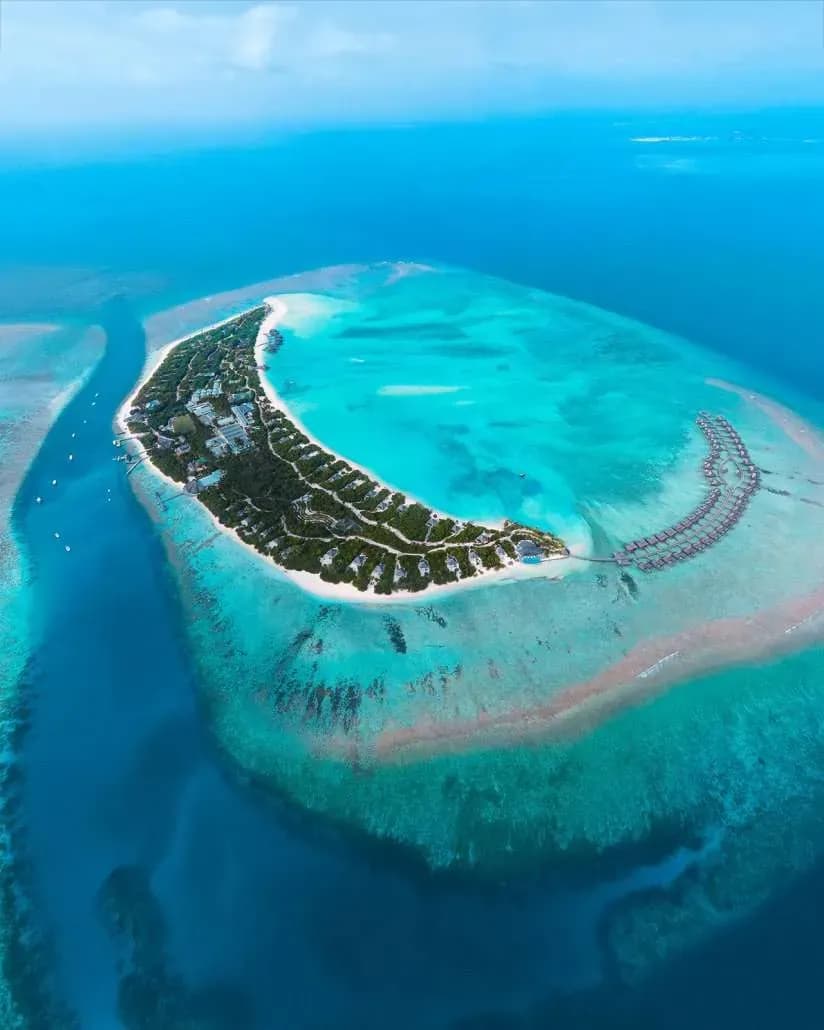
If the budget matters more than a guaranteed run of sun, two windows reward the gamble. May catches the tail of the dry season at wet-season pricing, the rains are arriving but have not settled in. September and October sit squarely in the manta peak at low-season rates, and the wet-season rain in those months tends to come in short heavy bursts with bright spells between rather than as unbroken grey. Neither window is a safe bet for a once-in-a-lifetime trip built around weather, but for a return visitor or a diver chasing the aggregations, they are the smartest value on the calendar.
Maldives Idylls editorial. Seasonal and marine data verified against the Maldives Meteorological Service, the Manta Trust, and the South Ari Marine Protected Area. Verified 30 May 2026. Next refresh: 30 November 2026.