Best month for a Maldives honeymoon
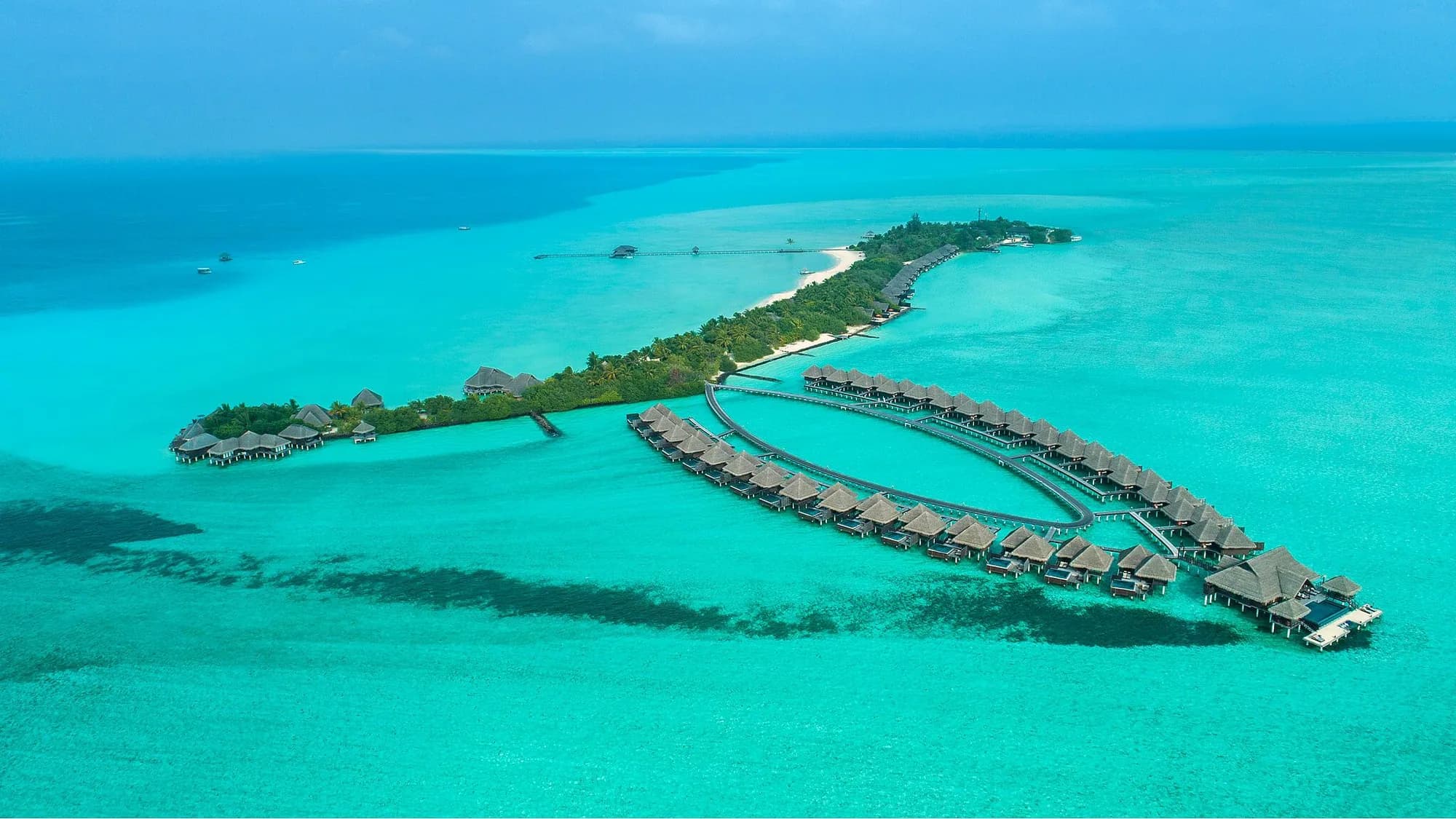
Late February through mid-March: peak dry weather without peak prices and without the December-holiday crowds. Late October: the underrated sweet spot. Avoid the third week of December (the highest rates of the year for the same product) and most of June (the highest rain-day count). Read also: Baa Atoll manta season frame for the August-November window, Laamu Atoll surf season context for the May-October surf window, Noonu Atoll lagoon and reef calendar for the seaplane curfew planning, and Anantara Kihavah food and reef setting for the Baa cross-property timing.
The two-monsoon framework

The Maldives runs a wet-and-dry weather cycle rather than a four-season cycle. The northeast monsoon (Iruvai) brings the dry season from December through April; the southwest monsoon (Hulhangu) brings the wet season from May through November. The shoulder windows (late April and late November) are the transition periods when the dominant wind has not yet established.
Within this framework the choice of month is shaped by four variables: rainfall probability, sea state, marine event timing, and the rate curve. The four variables do not always align. February is the cleanest combination of dry weather and post-Christmas rate; October combines the manta event with the wet-season rate drop and a higher rain probability. June combines the wet weather with peak European school-holiday rates, which is the year's worst single combination.
Most honeymoon planning errors come from optimising one variable at the cost of the others. A couple who specifically wants the manta event but books December will miss it entirely; a couple who books December for the dry weather but expects October-tier rates will be surprised by the holiday-week premium.
Month-by-month sketch

December: the dry-season start. The third week of December (around the 26th through January 5th) is the country's highest single rate-week, with 30 to 60% premiums above shoulder-season rates. The weather is excellent but the cost-per-night is the year's worst. Early December (1st to 20th) is fine on both axes.
January: the dry-season continuation, with the Christmas-NYE premium gone but still elevated rates through mid-January as European return-flight bookings settle. Late January is one of the year's best combinations of weather and value.
February: the strongest single month for most honeymoon profiles. The weather is at peak dry, the sea is calmest, the rates have settled to post-Christmas levels, and the resort programme is fully staffed. Advance reservations are recommended five to seven months out for the larger villa categories.
March: continues February's pattern with slightly more variable weather toward end of month. Late March carries the start of the European Easter holiday push if Easter falls in March; rate curve depends on the year.
April: the dry-to-wet transition. Early April reads like March; late April starts to carry the southwest swell that builds through May. The Laamu surf season opens in late April. A trip planned for April should request a western-facing villa rather than eastern to catch the calmer water.
May: the southwest monsoon establishes. Rates begin to drop. Rainfall becomes more frequent (rarely full days). The Laamu surf programme runs from May at peak quality. For a surf-led trip, May is the season opener.
June: the year's worst single month. The southwest monsoon is fully established with the highest rain-day count, but European school holidays have started so rates remain high despite the weather. The combination is unfavourable for honeymooners with flexibility; for couples who can plan only in June, the North Malé atoll reads more cleanly than the seaplane atolls because the speedboat-only transfers are weather-resilient.
July and August: the manta-aggregation window opens at Hanifaru Bay in late July and runs through November. Rain is frequent but shorter than June. European holidays continue to push rates. For Hanifaru-led trips, late July to mid-August is the early window with smaller crowds at the permit site.
September: the manta window continues. The weather settles into the wet-season pattern with occasional heavy showers. Rates drop after European summer holidays end (around 25 August). Mid-September is the start of the wet-season value window.
October: the contrarian's sweet spot. The manta aggregation peaks in early October, the rain has started to ease toward end of month, the rates are at wet-season levels, and the lagoon water is at its warmest of the year. For couples who can accept some rain in exchange for the year's strongest marine event at lower rates, October is the answer.
November: the wet-to-dry transition. Early November still carries the wet-season pattern; late November transitions to dry. The atoll reefs at Noonu and Baa often produce a quiet, beautifully-weathered window in the last week of November that the rate-finder algorithms miss. If flights are flexible, the contrarian's pick.
December early-to-mid: the dry season returns. Rates climb but not yet at the Christmas premium. The first three weeks of December are excellent on weather and reasonable on rates.
Marine event calendar
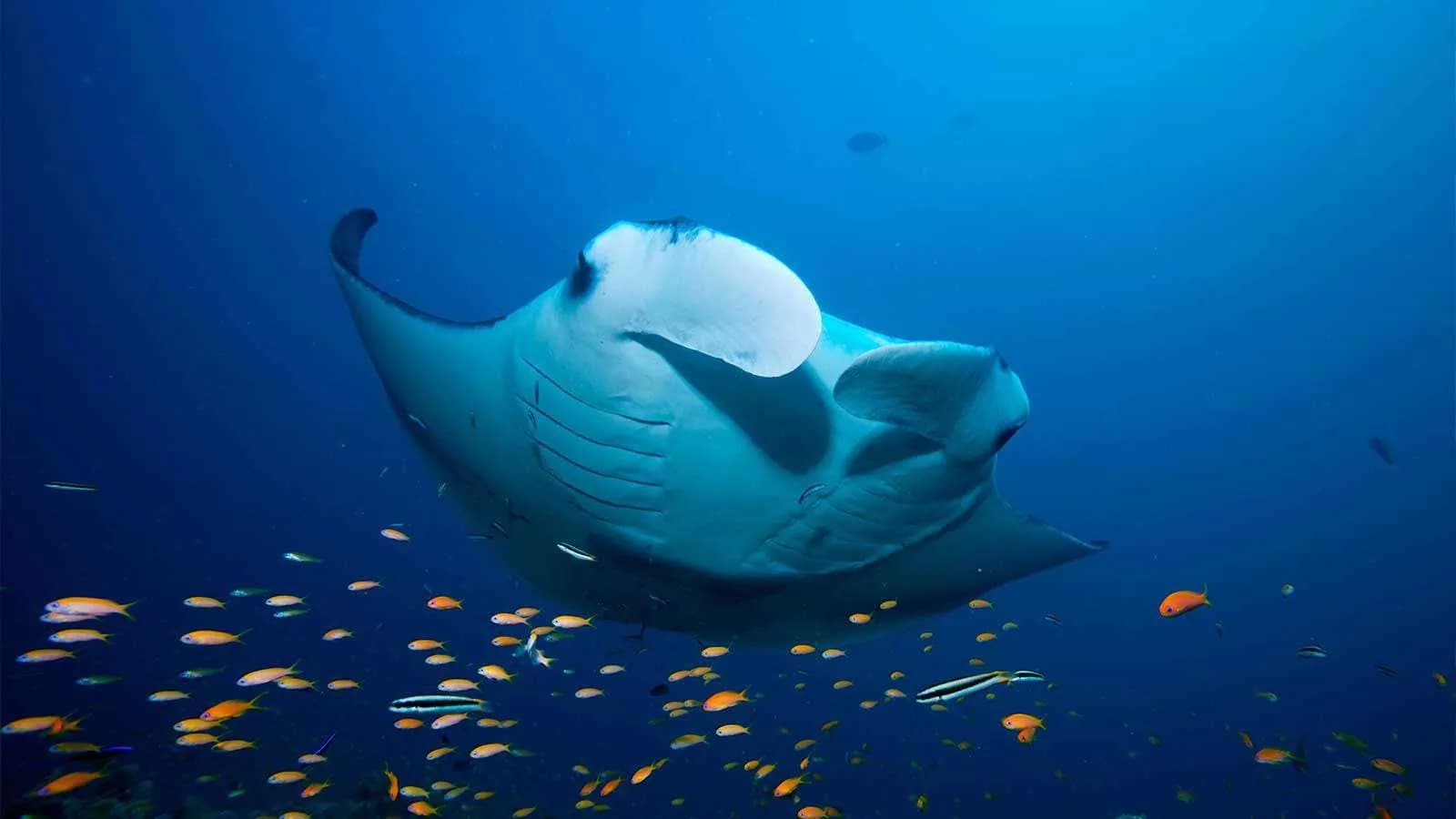
Hanifaru Bay manta aggregation, Baa Atoll: late July through November, with peak reliability mid-September through October. The aggregation is the country's defining marine event and the strongest reason to plan a trip outside the December-March peak weather window. The bay operates on a daily permit system; resorts in Baa run morning permit-window boats.
Whale shark route, South Ari: year-round, with sighting frequency higher May through September (peak 65-80% of trips). South Ari is the only Maldivian atoll where whale shark sightings are reliable across the year rather than seasonal. Late May and early June carry the best combination of frequency and reasonable weather.
Surf season, Laamu: late April through October, with peak overhead swell July and August. The Yin Yang break runs consistently overhead during this window; the southwest swell drives the season. Outside May-October the break is mostly flat.
The rate curve
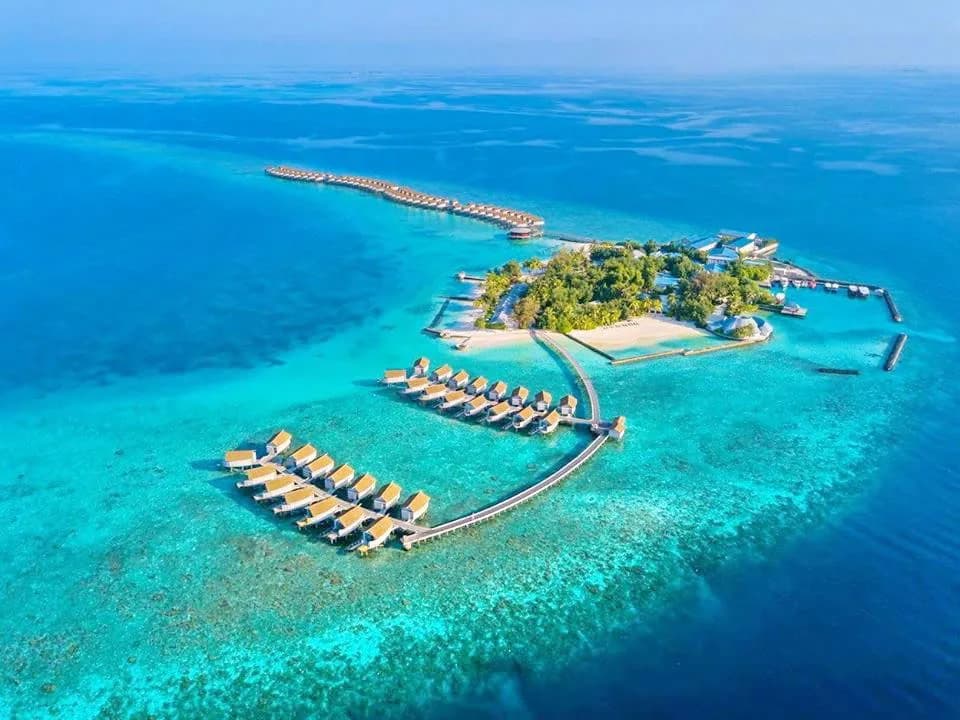
The country's rate calendar runs roughly: lowest in May-June, climbing through July-September, peak in late December (Christmas-NYE week), dropping in January, settling through February-April. The single largest rate jump is the third week of December; the single largest drop is the second week of January.
European school holiday periods (Easter break, Whitsun, July-August summer, October half-term) push rates above the underlying season pattern. For UK and continental European travellers with school-age children, planning around these windows is the headline rate-reducer; honeymoon couples without children should specifically avoid these windows for value.
The transfer fares are quoted at booking and shift seasonally; we do not duplicate the figures here until a partner pricing feed is signed.
Ramadan considerations
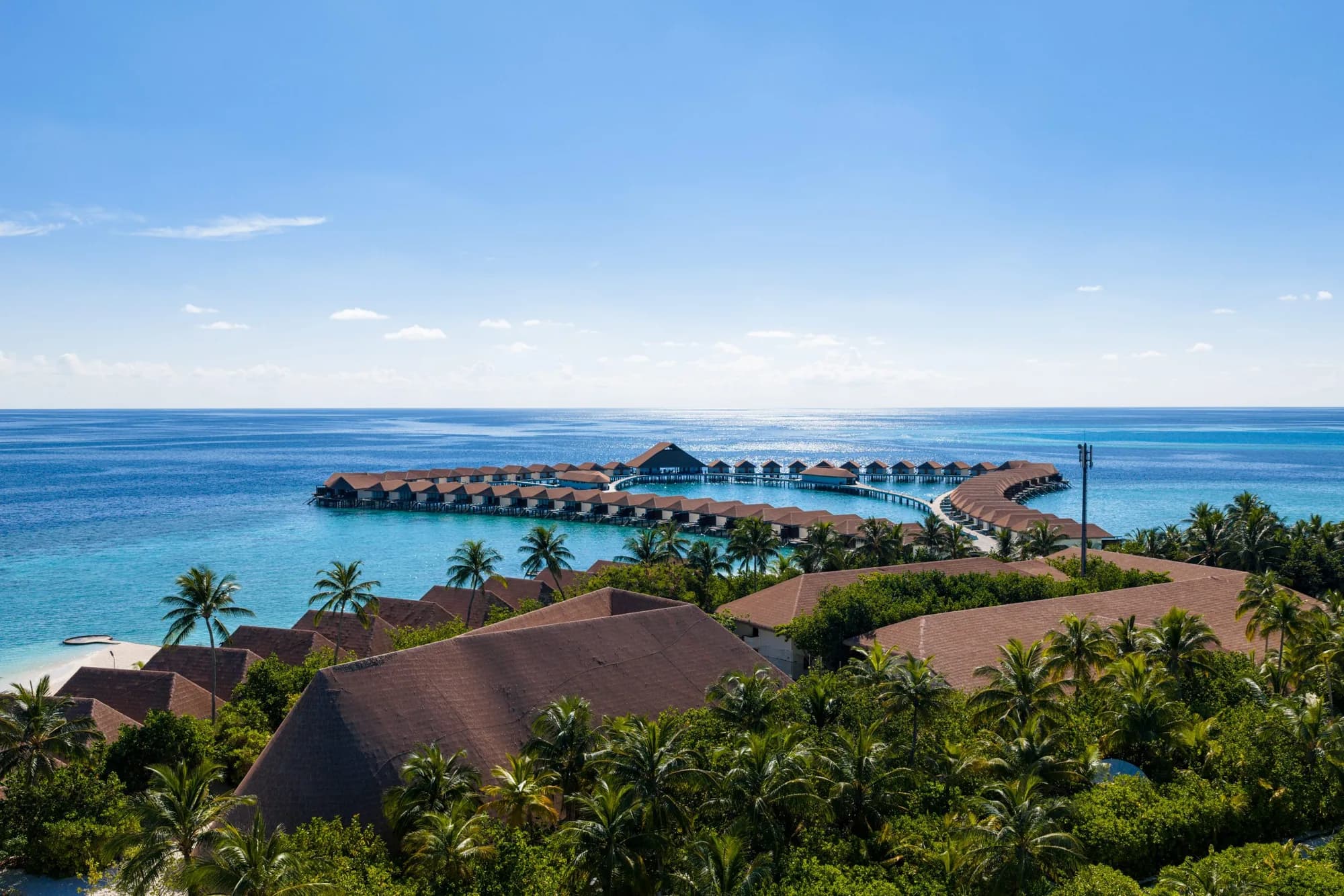
The Maldives is a Muslim country and Ramadan affects local-island operations meaningfully. On private resort islands the Ramadan effect is operationally invisible to guests; the restaurants serve at normal hours, alcohol is available, and the daily rhythm runs uninterrupted.
On local-island visits during Ramadan (March through April through May in the late-2020s rolling window), restaurants and shops on Maafushi, Dhigurah, and other guesthouse islands operate at reduced hours. Eating in public during daylight hours is impolite. For couples who plan to combine a resort stay with local-island days, the Ramadan dates are worth checking against the trip plan.
The honeymoon-specific window
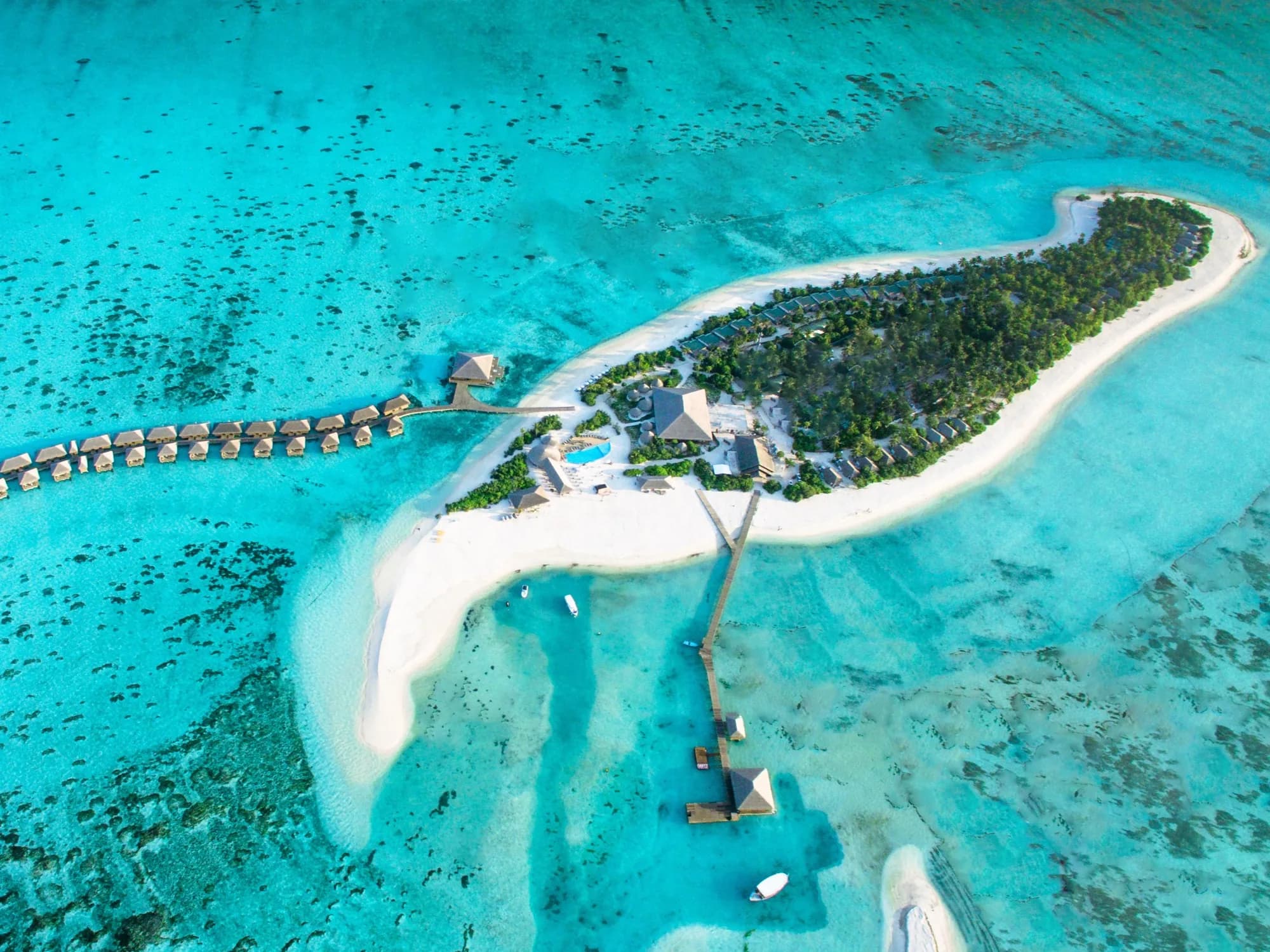
For a single optimal honeymoon recommendation: late February through mid-March, eight to ten nights at a Baa or Noonu resort. The weather is at peak dry, the sea is calmest, the post-Christmas rate has settled, and the resort programme is fully staffed. This window books out four to six months ahead for the larger villa categories.
For a contrarian honeymoon recommendation: late October, eight to ten nights at a Baa Atoll resort. The manta aggregation is at peak reliability, the wet-season rate has dropped roughly 25 to 35% below the February peak, and the lagoon water is at its warmest of the year. The trade-off is occasional heavy rain (rarely full days) and the rare possibility that Hanifaru access shuts for a day or two during the stay.
For honeymooners on a tight budget with date flexibility: early September, seven nights at a North Malé Atoll resort. The wet-season rates are at the year's lowest, the speedboat transfer removes the weather-resilience problem, and the broad resort choice at North Malé means the cost-per-night can drop materially below the central-atoll seaplane resorts.