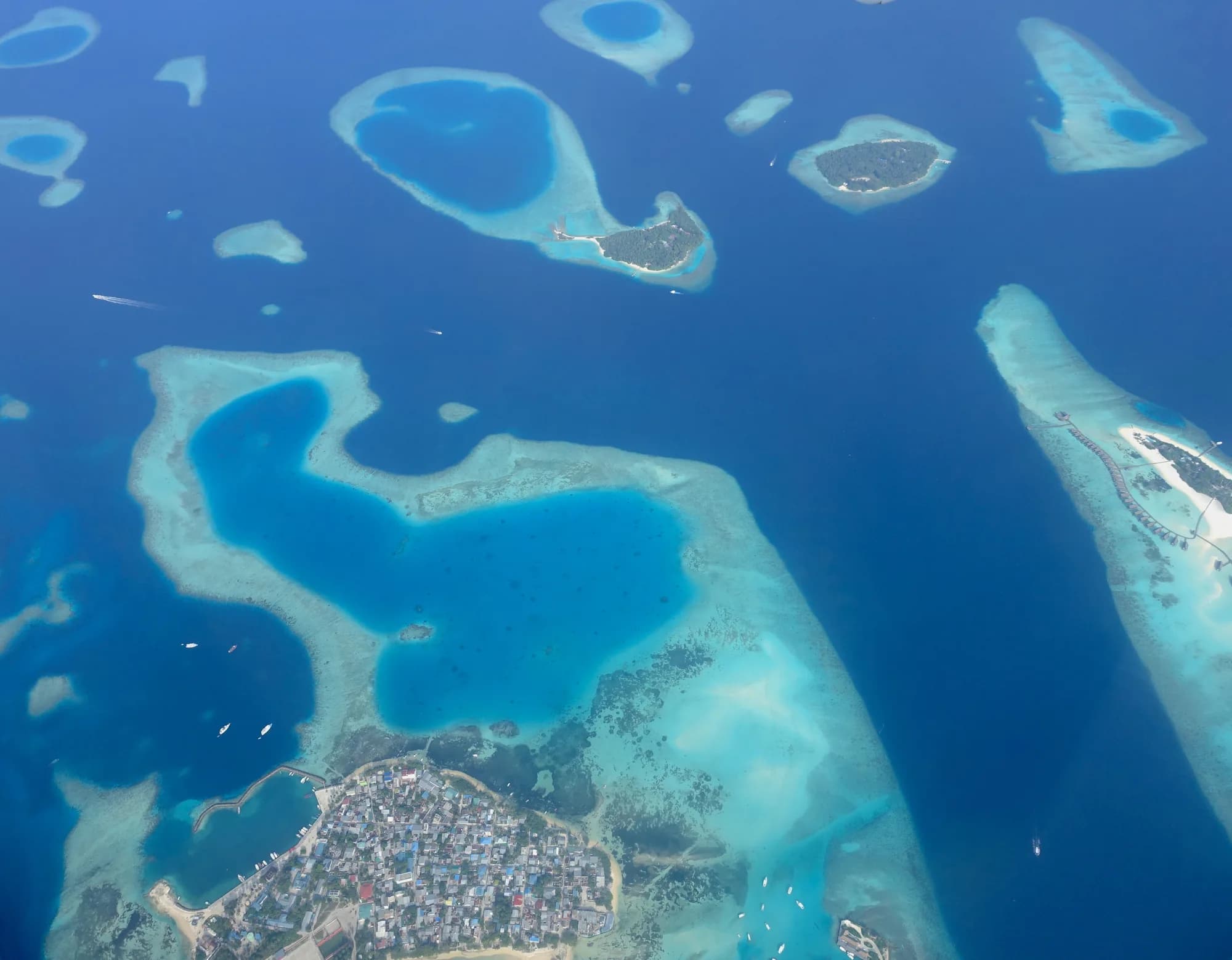
South Malé Atoll, read carefully
The quieter half of Kaafu Atoll. South Malé is the second-densest atoll in the country after North Malé, but the resort cluster is roughly two-thirds the size, the speedboat is slightly longer, and the boat-traffic density is meaningfully thinner. The headline brands (Waldorf Astoria Ithaafushi, COMO Cocoa Island, Naladhu Private, Taj Exotica, Anantara Dhigu) span the upper-mid through ultra-luxury segments with a speedboat-only transfer profile that removes the seaplane curfew problem entirely.
Geography
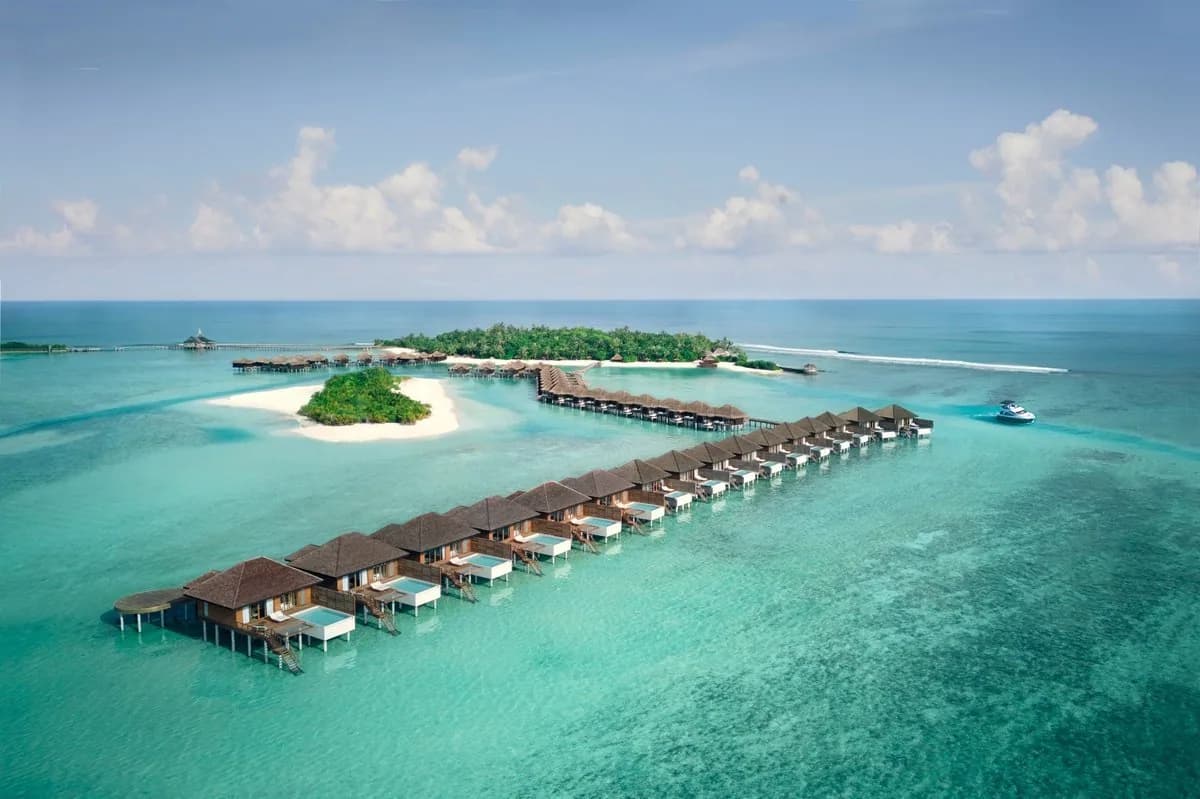
South Malé Atoll is the southern half of the Kaafu Atoll natural formation, sitting directly south of Malé and Velana International Airport. The atoll runs roughly 30 kilometres north to south and 25 kilometres east to west, with around 30 resort islands distributed across the lagoon and along the outer reefs. The atoll's northern edge connects to North Malé through a narrow channel; the southern edge faces Vaavu Atoll across the Vaadhoo Channel.
The eastern outer reef is the dive-channel side, with strong currents and the Vaadhoo Channel sites that define South Malé's dive identity. The western lagoon carries the broader-beach resort options and the all-inclusive cluster. The southern edge holds the upper-luxury new builds (Waldorf Astoria Ithaafushi opened 2019, Patina spillover from North Malé Fari Islands).
History
South Malé followed North Malé in the country's tourism development timeline. The first resorts opened in the mid-1970s, a few years after the country's first resort in North Malé; the inventory expanded steadily through the 1980s and 1990s. The upper-luxury tier arrived in the 2000s and 2010s: Taj Exotica in 2005, COMO Cocoa Island reformulation in 2005, Anantara Dhigu in 2007, Naladhu Private in 2008, Waldorf Astoria Ithaafushi in 2019.
The atoll's identity has shifted over the last decade from a mid-range alternative to North Malé toward an upper-luxury cluster anchored by the Waldorf Astoria three-island development. The visitor density remains lower than North Malé by deliberate planning choice.
Resorts
- Waldorf Astoria Maldives Ithaafushi on three interconnected islands (2019). Top-tier Hilton brand property with private-island bookouts at the upper end.
- COMO Cocoa Island on Makunufushi island. Original 1981 conversion, COMO since 2002. Dhoni-suite shape over the lagoon, boutique scale.
- Naladhu Private Maldives on a small island adjacent to Anantara Dhigu. All-villa private estate, no central island infrastructure.
- Taj Exotica on Embudhu Finolhu island. Long-running Taj property with strong dining-led offering.
- Anantara Dhigu Maldives on Dhigufinolhu island. Chain-luxury family property, large villa stock.
- Anantara Veli Maldives on Veligandu Huraa island, adjacent to Dhigu. Adult-only sister property with a different villa configuration.
- OZEN Reserve Bolifushi on Bolifushi island. All-inclusive ultra-premium tier.
- Niva Velassaru Maldives on Velassaru island. Boutique luxury, no kids' club, adult-leaning.
- Sun Siyam Olhuveli on Olhuveli island. Mid-range all-inclusive with strong dive operation.
Diving and dive sites
South Malé's defining dive site is the Vaadhoo Channel, the deep-water passage between South Malé and Vaavu Atoll. The channel carries strong tidal currents, drift dives are the standard format, and the marine life ranges from grey reef shark cleaning stations to dogtooth tuna to seasonal manta sightings. Kuda Giri wreck (a deliberately-sunk dive site) is a more accessible alternative for divers building experience.
The dive operator density at South Malé is lower than at North Malé or South Ari. Most diving runs through the resort programmes; independent operators are sparse. For a divers-primary trip, South Malé is competent rather than dive-specialist.
Transfer from Malé
South Malé runs almost entirely on speedboat transfers from Velana International. The shortest transfers (COMO Cocoa Island, Anantara Dhigu, Anantara Veli) run 30 to 45 minutes; the southernmost properties (Waldorf Astoria, Niva Velassaru) run 45 to 60 minutes.
The speedboat schedule is around the clock; the seaplane curfew does not apply. For travellers landing on long-haul flights from Europe and East Asia where arrival times are unpredictable, the same-day connection is the structural advantage of the atoll.
Best time to visit
South Malé's seasonality is the central-atoll standard. December through April is the dry season; late February through mid-March is the strongest combination of weather and value. May through November is the wet season; rates drop and the southwest swell affects the eastern outer reef.
The Vaadhoo Channel manta cleaning station activates from June through October. For a manta-included South Malé trip, this is the window. Outside this, the channel dive sites are still excellent but the manta sightings are intermittent.
Comparison with neighbouring atolls
vs North Malé: North Malé carries the larger resort cluster (50+ properties) and the wider price spectrum; South Malé carries roughly 30 properties and skews slightly more upper-luxury. The choice is on which specific property fits, not on atoll character.
vs Vaavu: Vaavu sits south of South Malé across the Vaadhoo Channel. Thinner resort cluster, more channel-focused diving, less commercial density. Vaavu is the quieter cousin for travellers who specifically want fewer neighbouring properties.
vs Felidhe Atoll: Felidhe (administratively Vaavu) is the most-dive-focused southern-central atoll. For a divers-primary trip with a short transfer, Felidhe outperforms South Malé; for a luxury stay with diving as a component, South Malé is broader.
Resorts in South Malé Atoll
The resorts we currently track in South Malé. Full reviews are marked.
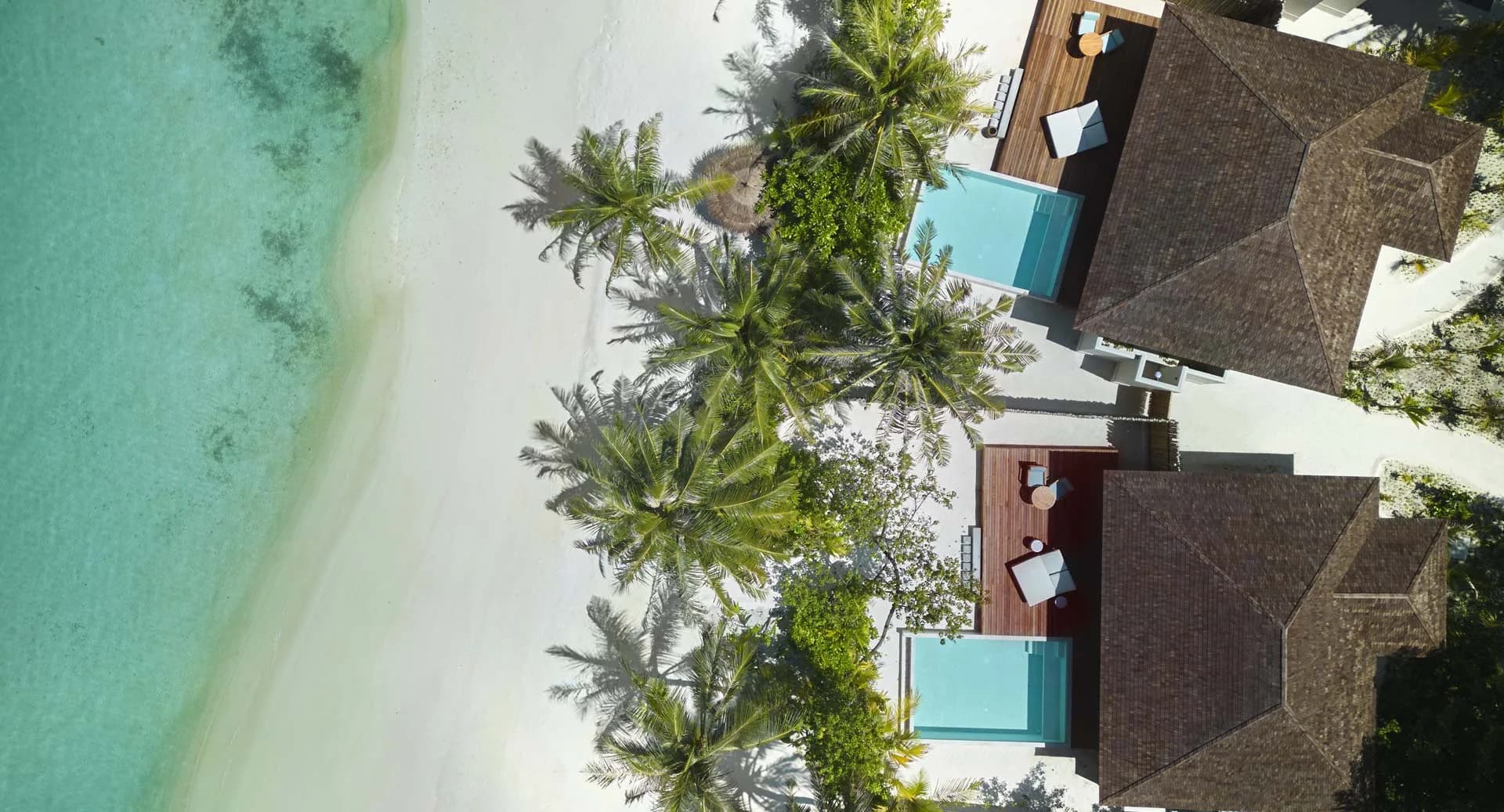
Anantara Veli Maldives Resort
Full reviewAdults-only Anantara, all over-water villas, 35-minute speedboat from Velana.
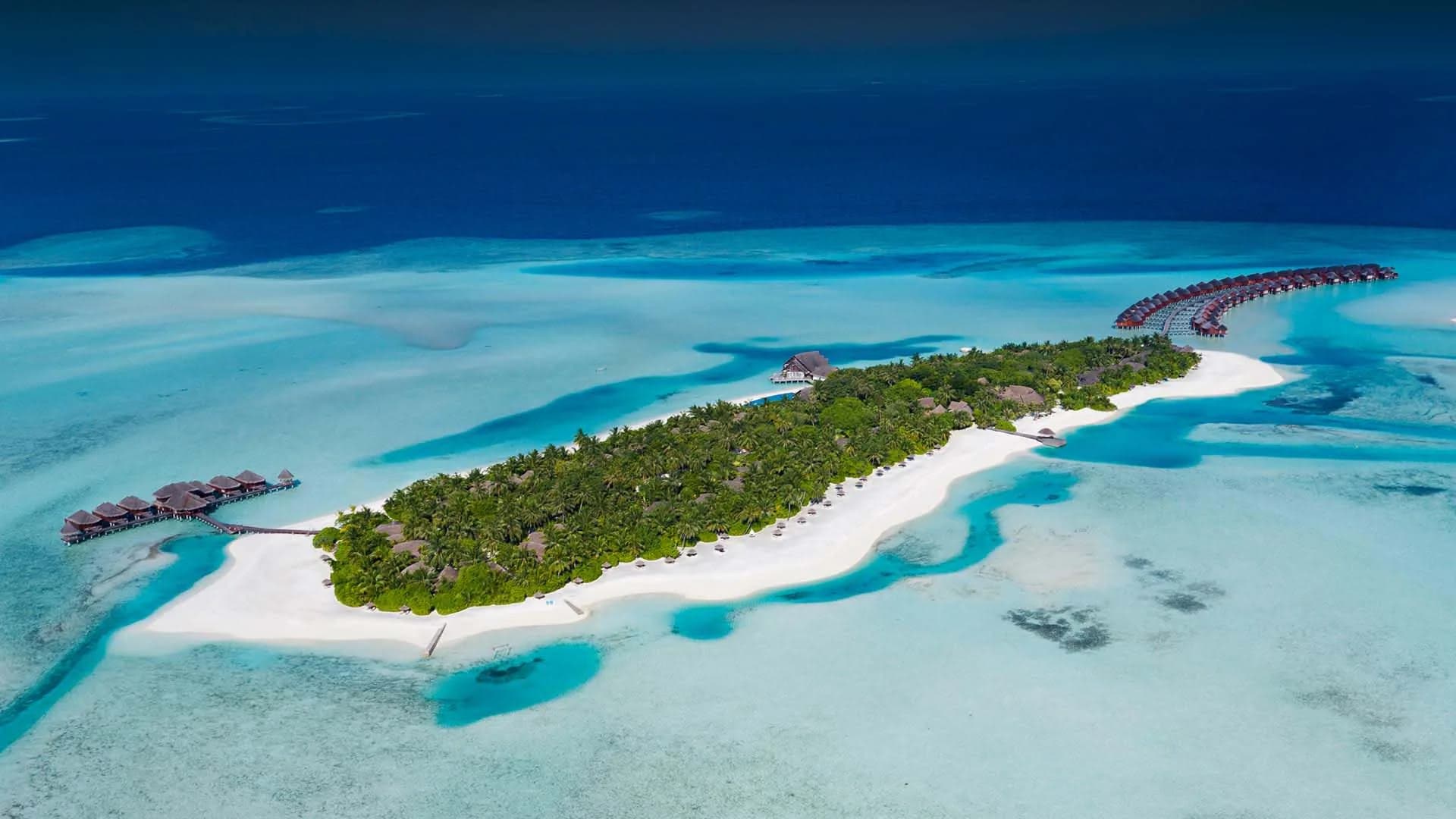
Anantara Dhigu Maldives Resort
Full reviewAnantara Minor Hotels family-friendly premium-all-inclusive on Dhigufinolhu island, northern South Malé Atoll.
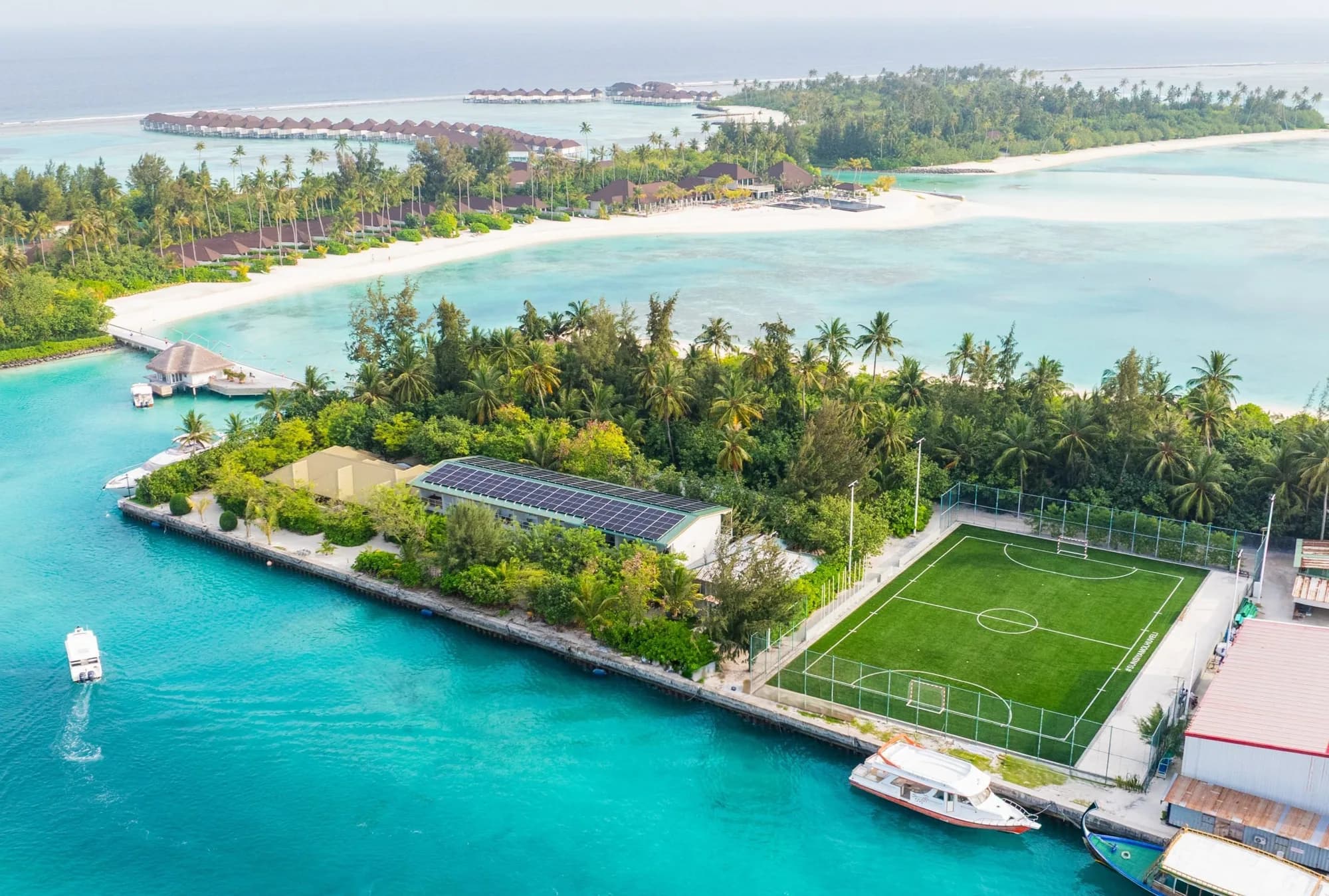
Sun Siyam Olhuveli
Full reviewSun Siyam Resorts Maldivian-owned mid-range all-inclusive on Olhuveli island, south-central South Malé Atoll.
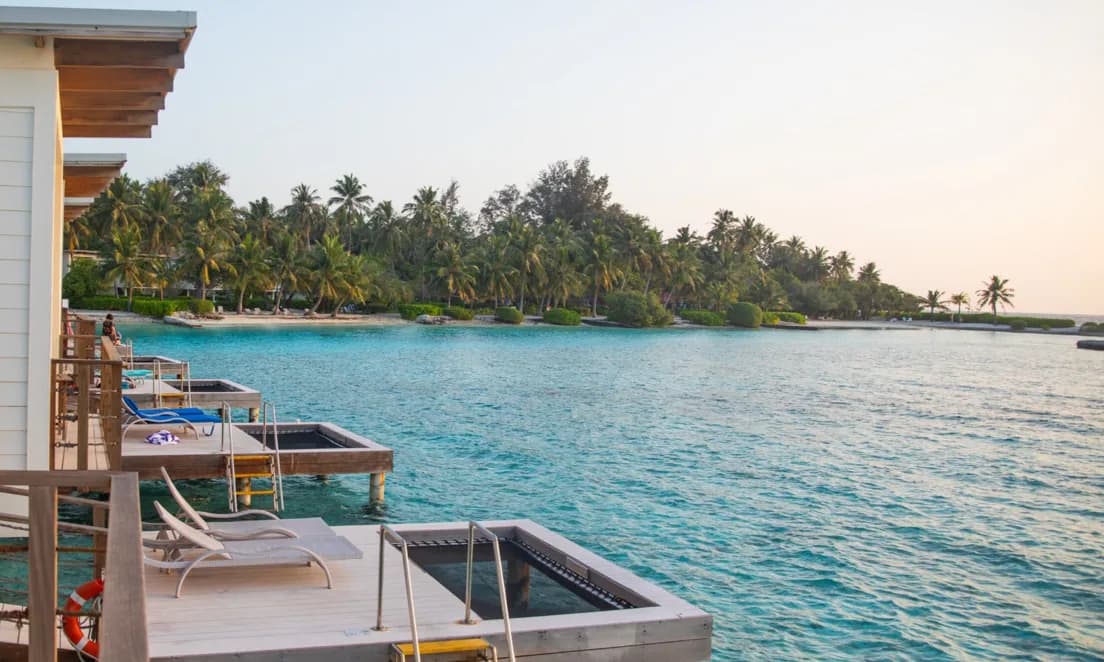
Holiday Inn Resort Kandooma Maldives
Full reviewIHG Holiday Inn mid-range all-inclusive on Kandooma island, southern South Malé Atoll.
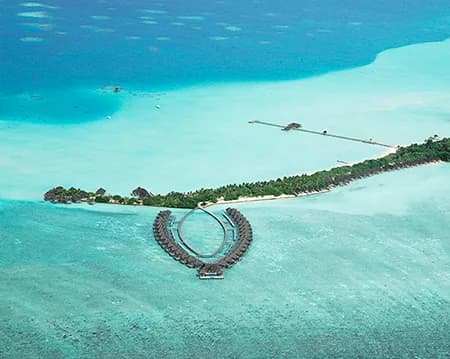
Taj Exotica Resort & Spa, Maldives
Full reviewIndian Hotels Company Taj-flag premium-resort on Emboodhu Finolhu island, northern South Malé Atoll.
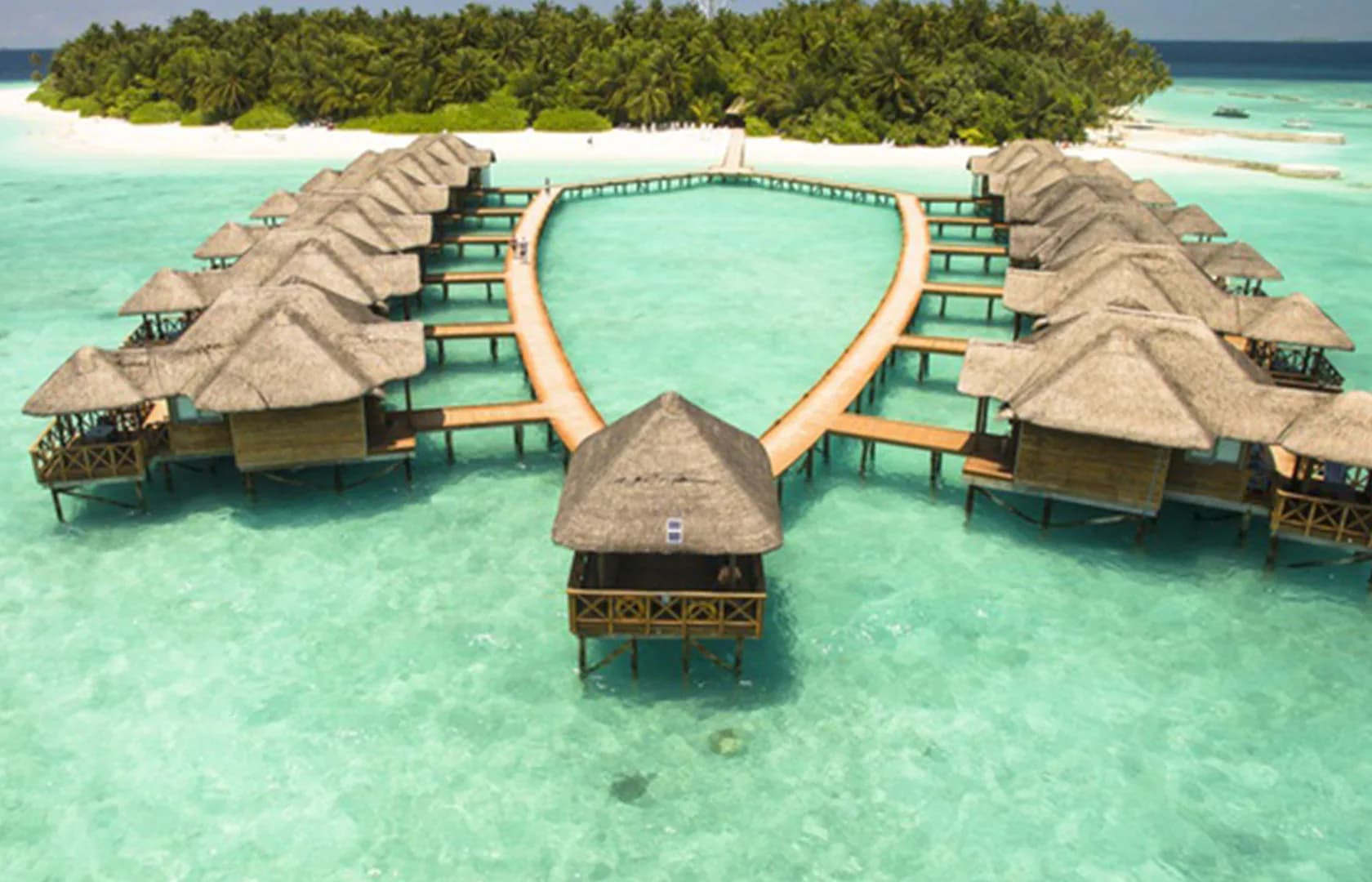
Fihalhohi Island Resort
Full reviewCrown Company Maldivian-owned budget-leaning all-inclusive on Fihalhohi island, southern South Malé Atoll.
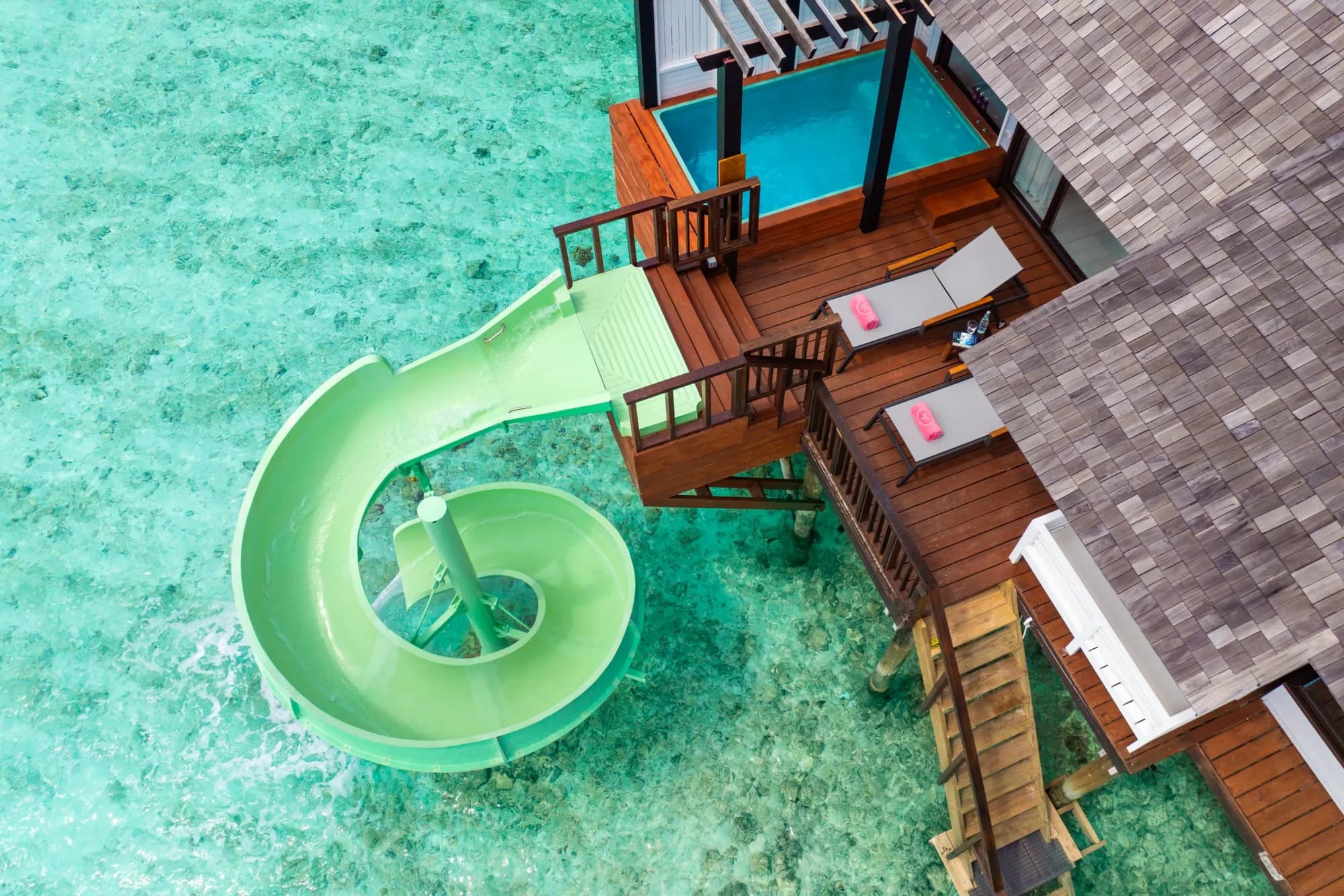
OZEN LIFE MAADHOO
Full reviewAtmosphere Core Group OZEN premium-luxury all-inclusive on Maadhoo island, southern South Malé Atoll.
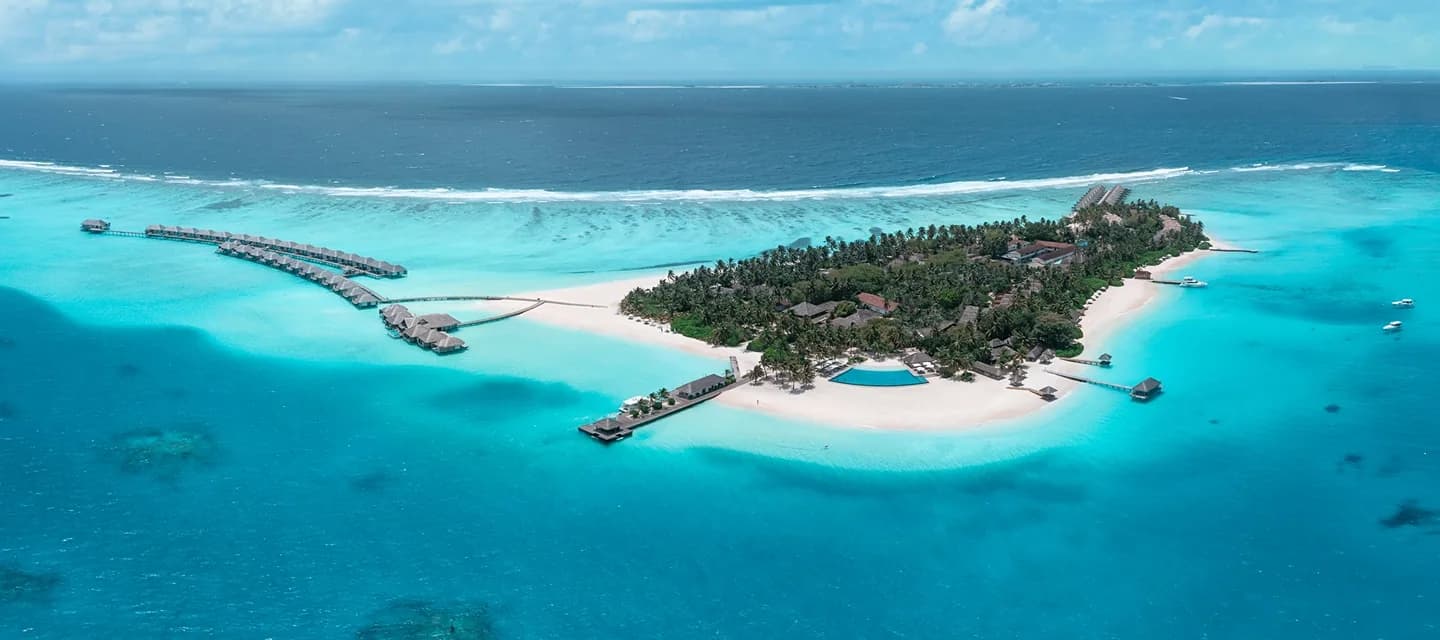
Niva Velassaru Maldives
Full reviewUniversal Resorts Maldivian-owned premium adults-leaning on Velassaru island, northern South Malé Atoll.
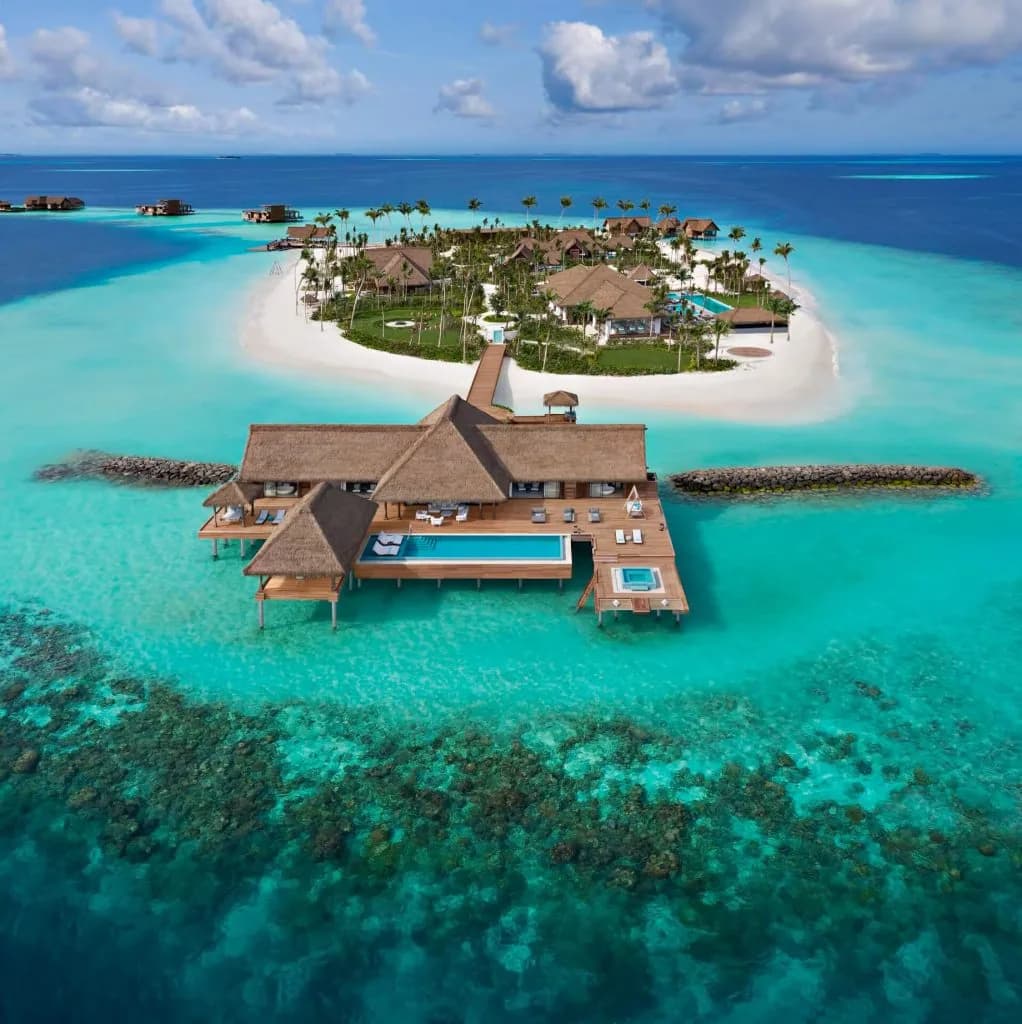
Waldorf Astoria Maldives Ithaafushi
Full reviewHilton's top-tier flag, three connected islands, one of the largest ultra-luxury room counts in the country.
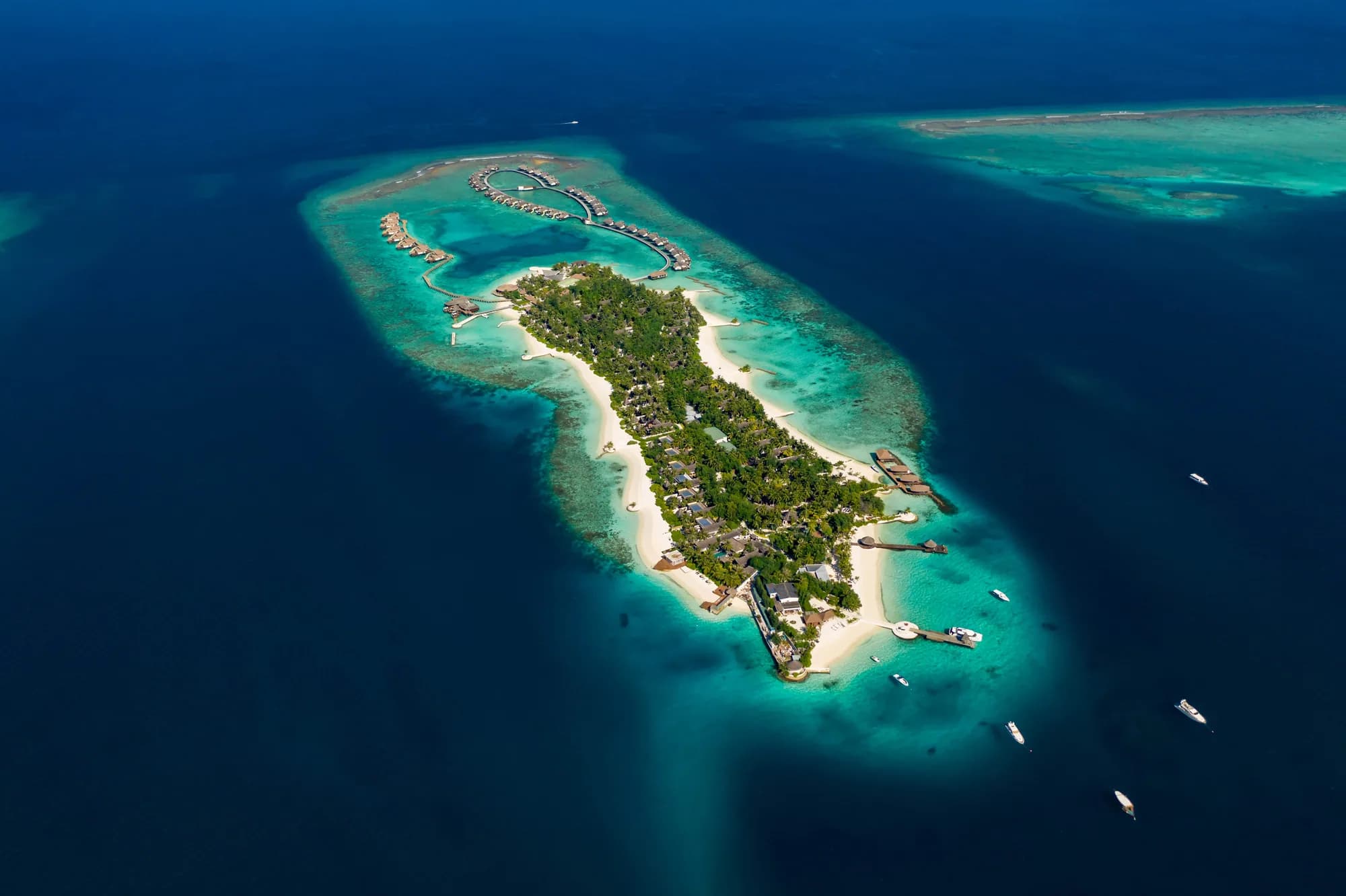
OZEN RESERVE BOLIFUSHI
Full reviewAtmosphere Core Group OZEN RESERVE top-tier all-inclusive on Bolifushi island, northern South Malé Atoll.
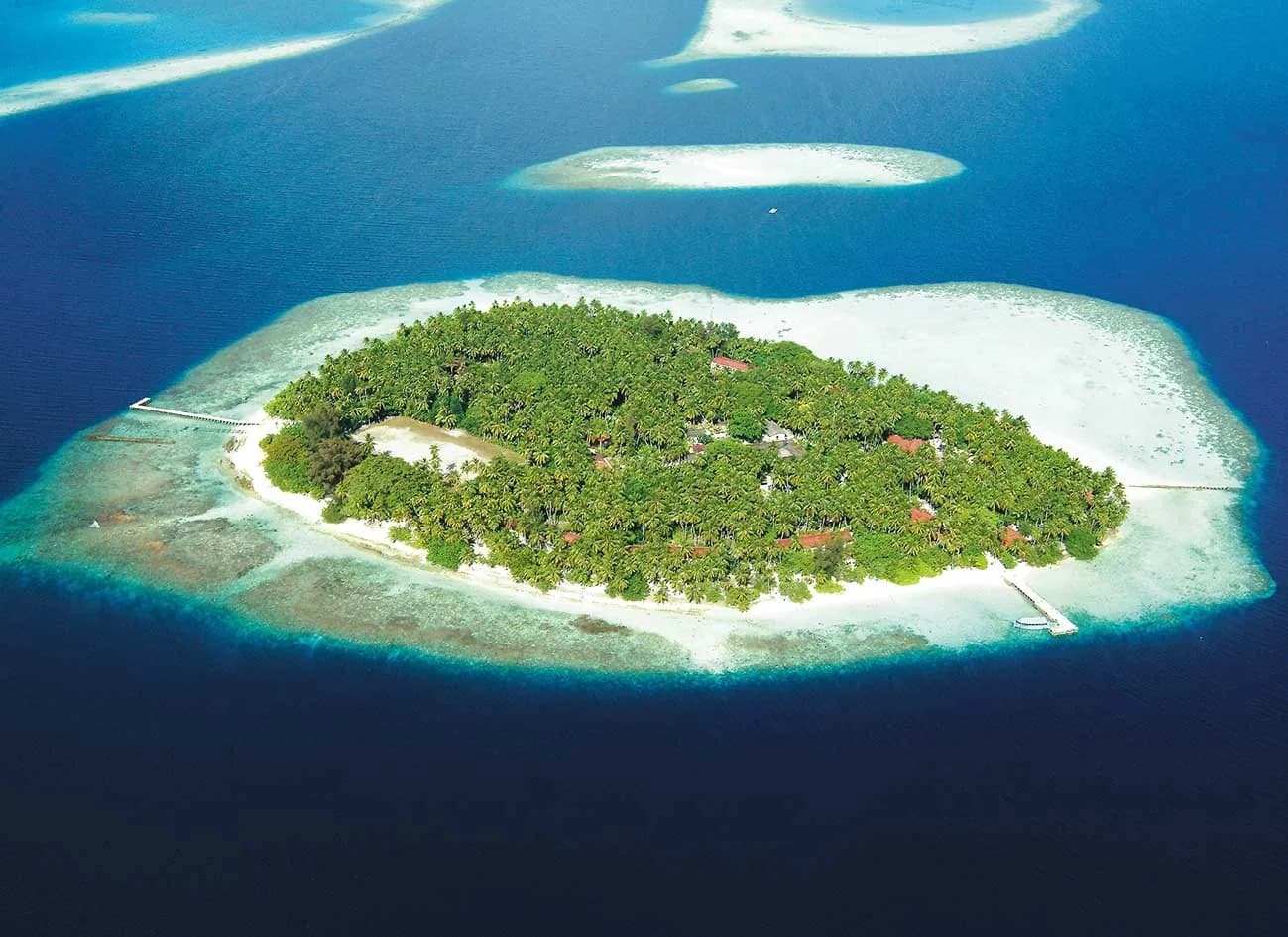
Coco Fehi Rah
Full reviewCoco Collection's third resort, a ground-up redevelopment of the historic Biyadhoo island in central South Malé, projected to…
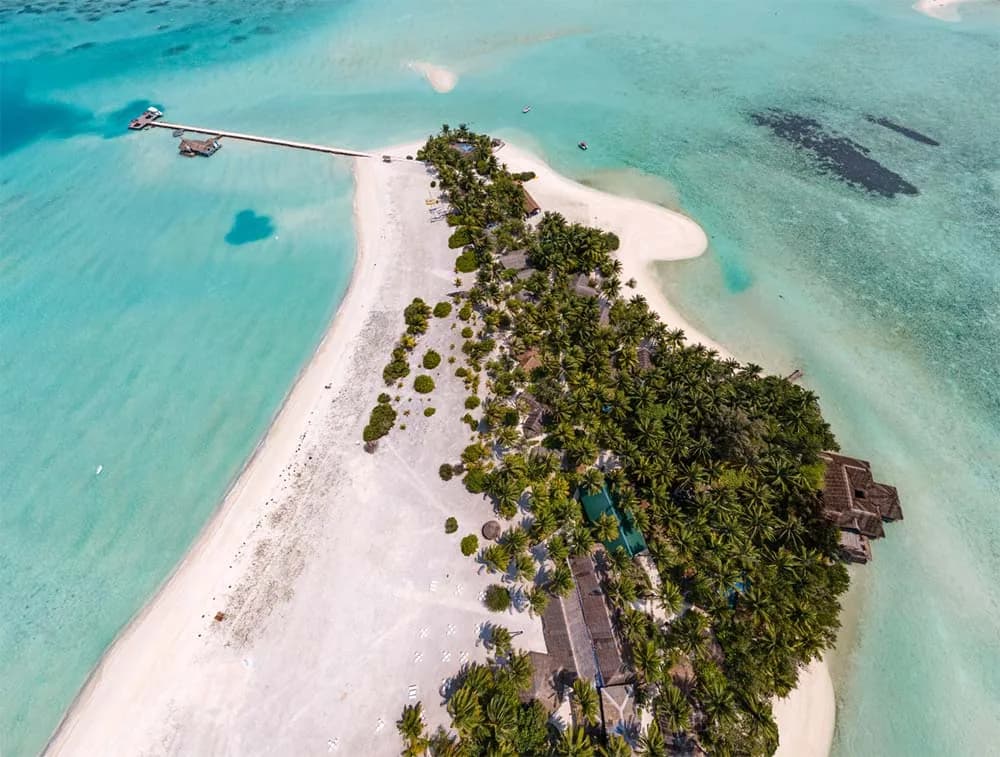
Rihiveli Maldives Resort
Full reviewIndependent Maldivian-owned with sustained French operational management on Mahaanaelhihuraa island, central South Malé Atoll.
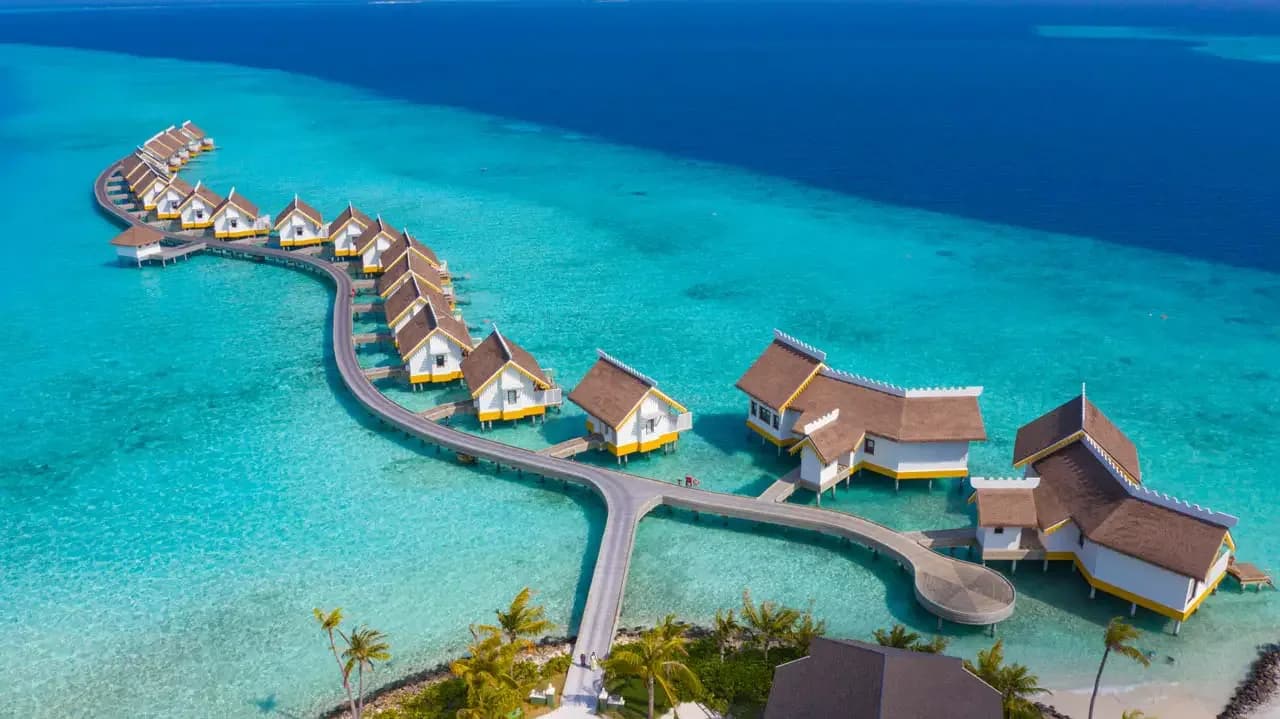
Hilton Curio Collection premium-resort on Emboodhoo Finolhu, northern South Malé Atoll.
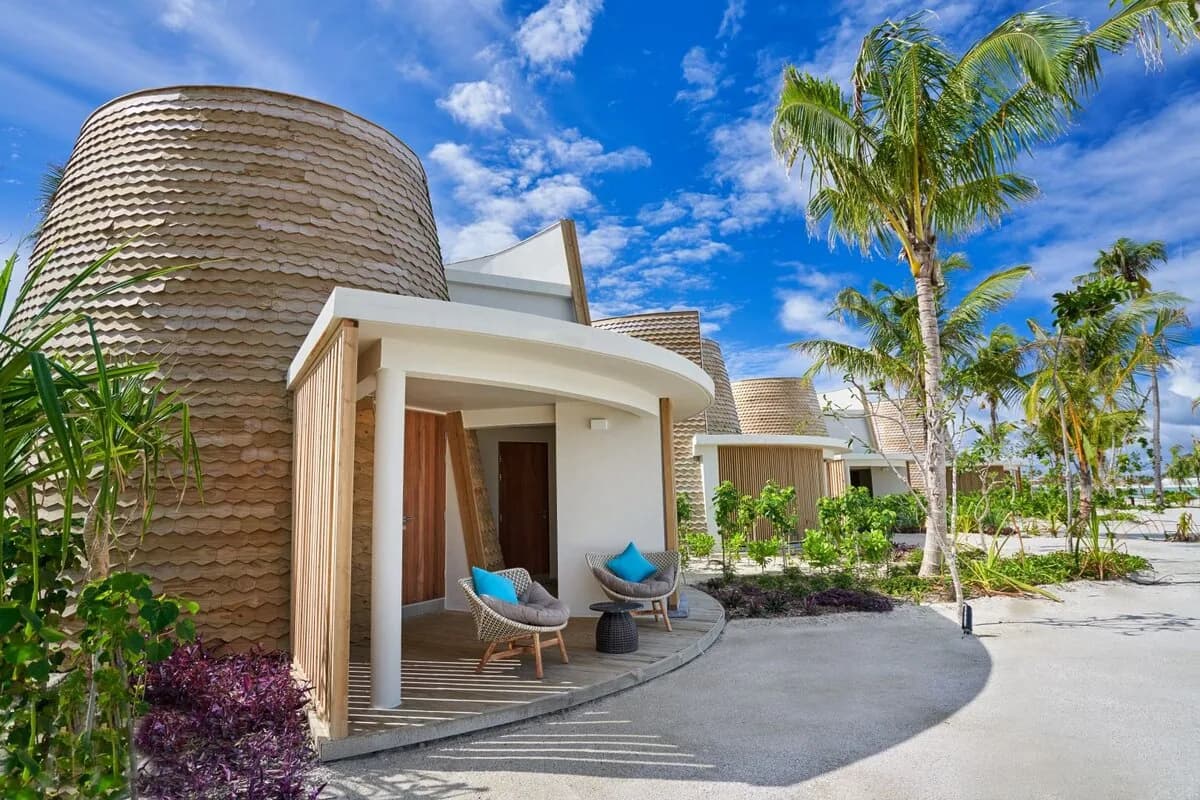
Hard Rock Hotel Maldives
Full reviewHard Rock International music-themed premium-resort on Emboodhoo Finolhu, northern South Malé Atoll.
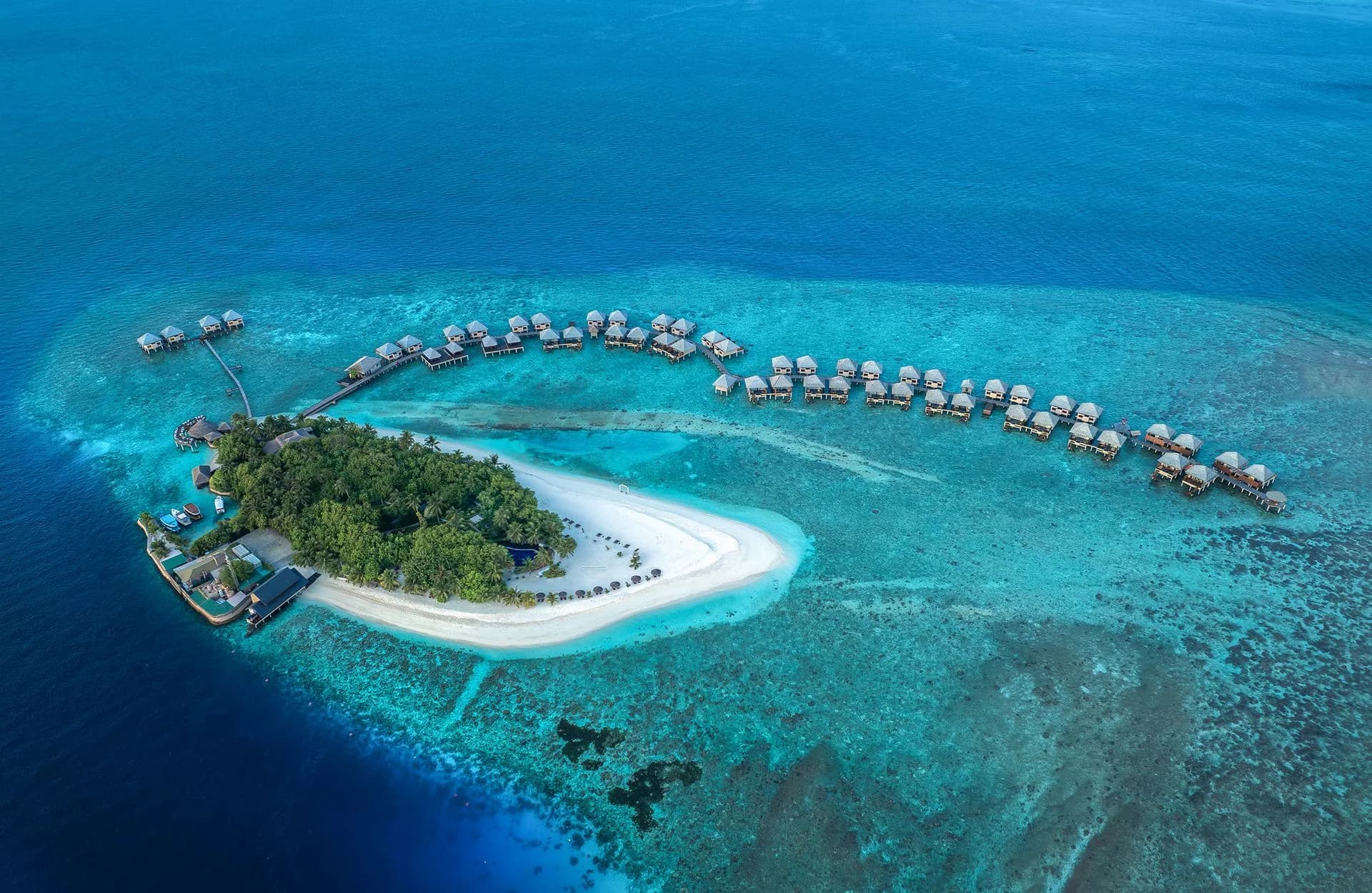
Adaaran Prestige Vadoo
Full reviewAitken Spence Adaaran Prestige adults-only premium-all-inclusive on Vaadhoo island, northern South Malé Atoll.
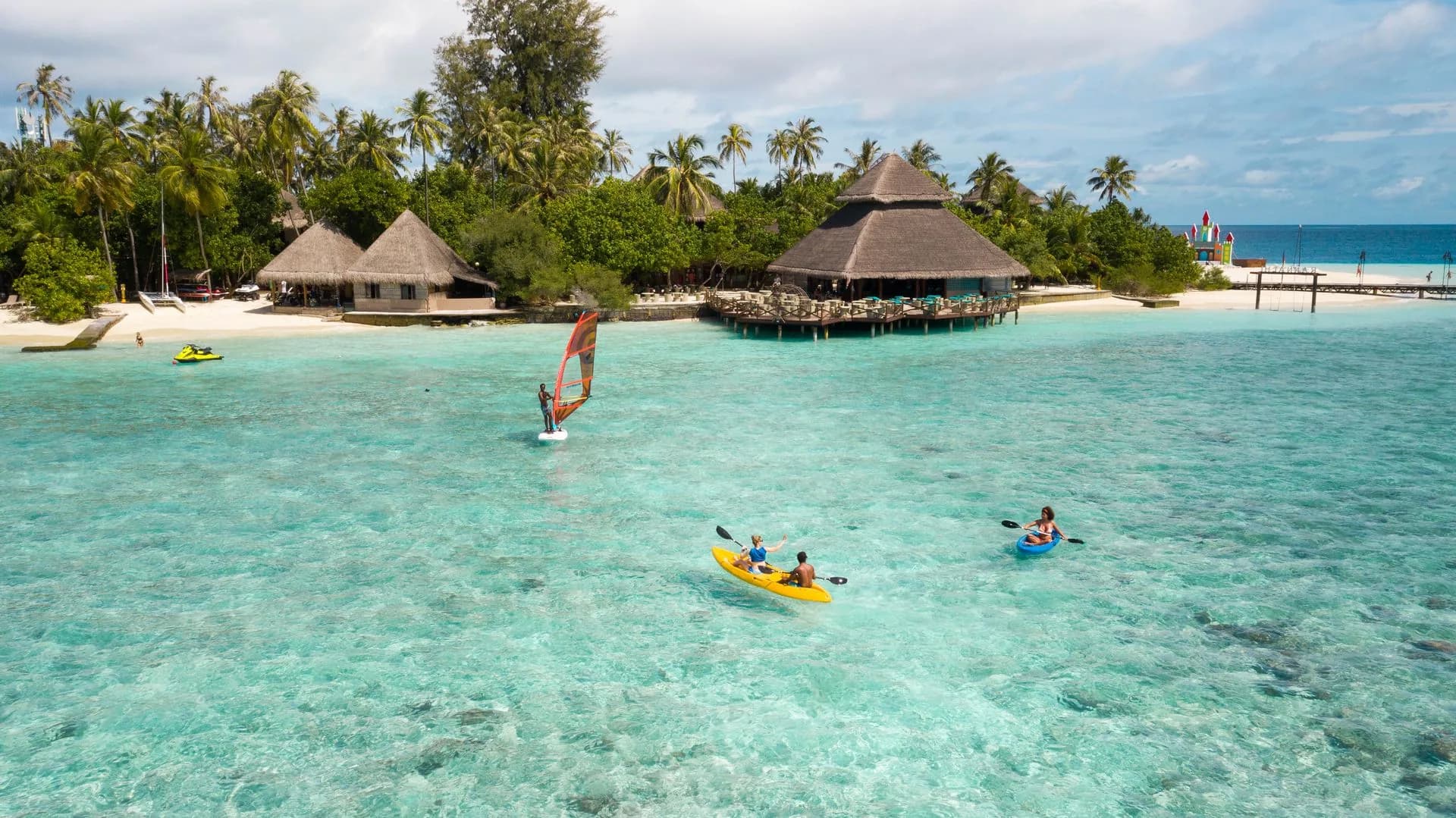
Adaaran Club Rannalhi
Full reviewAitken Spence Adaaran Club value-tier all-inclusive on Rannalhi island, south-central South Malé Atoll.
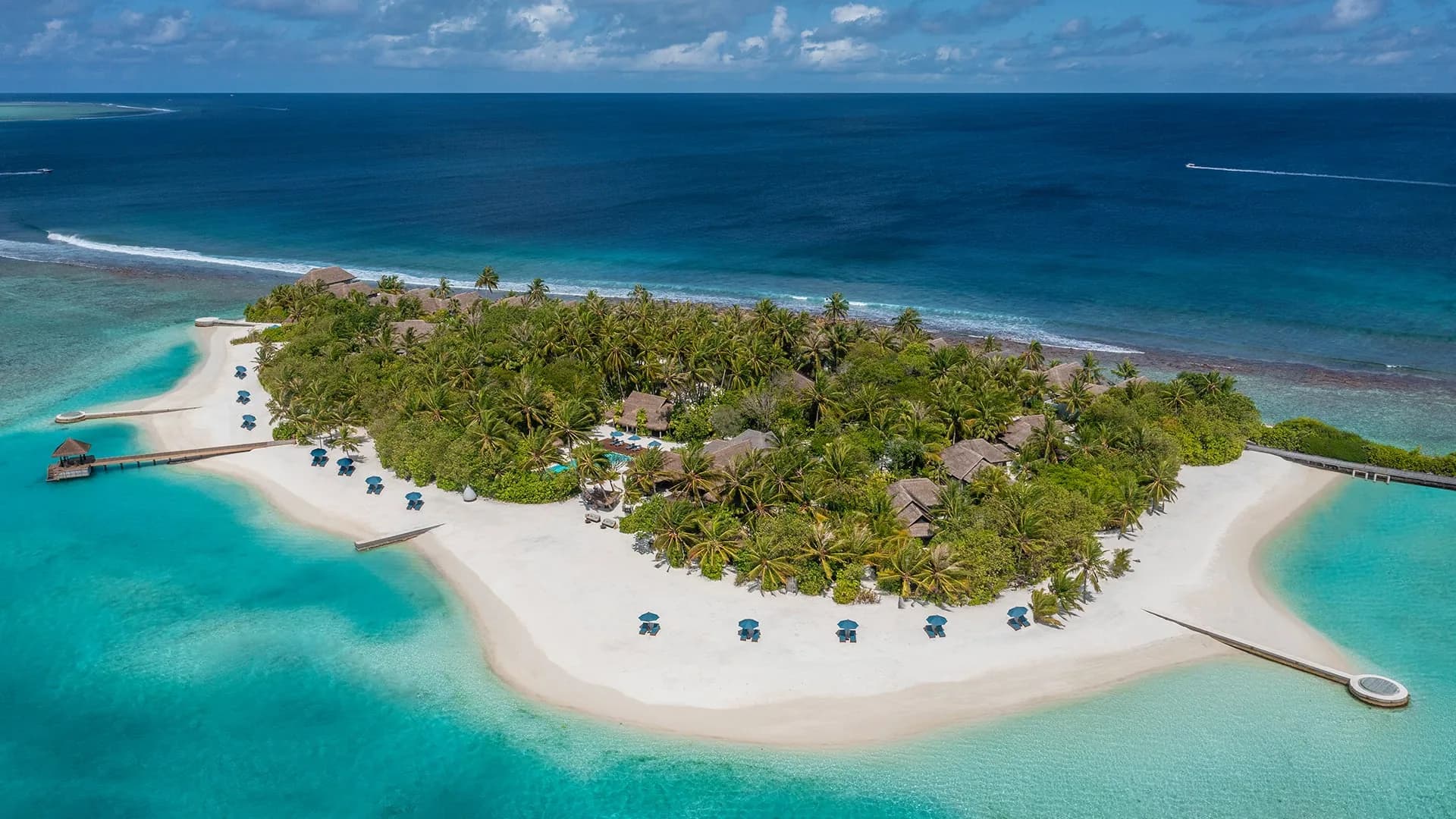
Naladhu Private Island Maldives
Full reviewBoutique butler-per-house cluster on a tiny South Malé island.
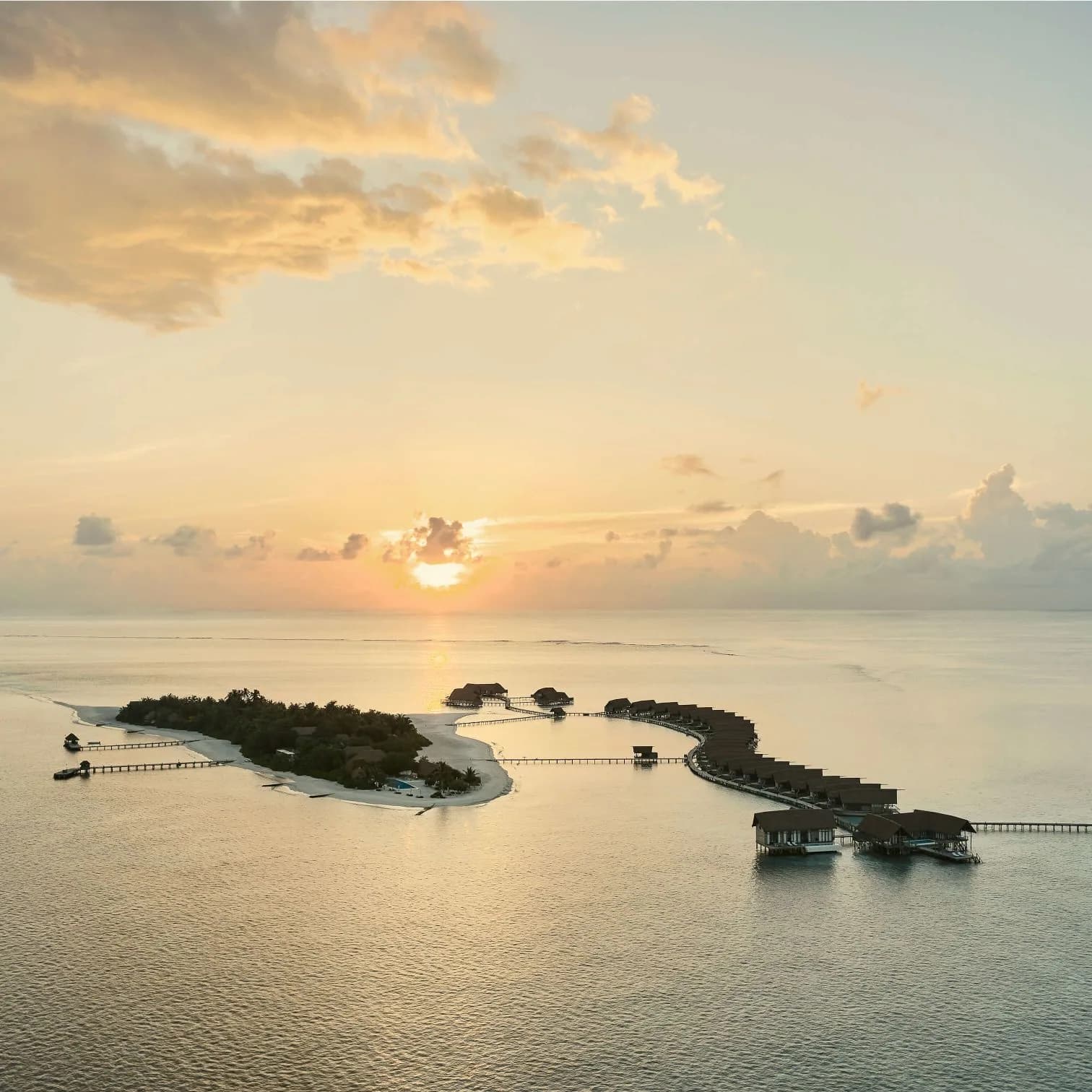
COMO Cocoa Island
Full reviewWellness-led boutique with the dhoni-shaped over-water suites.
Maldives Idylls editorial. Verified 13 May 2026. Next refresh: 13 May 2027.