Cheval Blanc Randheli
The LVMH Maison in the Maldives: French luxury-house DNA applied to a private island in Noonu Atoll, with the country's most consistently polished service, Vincent Beaurin sculpture on the beach, a Guerlain spa, and a 1947 wine list that earns its name.
Cheval Blanc Randheli is LVMH's only Maldives Maison and one of two Cheval Blanc properties in the Indian Ocean. It occupies the small island of Randheli at the southwestern edge of Noonu Atoll, a 45-minute seaplane from Velana. The brief is unambiguous: French luxury-house service standards translated to a Maldivian over-water context, without the eco-philosophy overlay that defines the Soneva and Six Senses tier, and without apology for its choice not to lead with that overlay. The resort publishes no greener-than-thou language. What it publishes instead is operational consistency at a level no other property in the country matches, and the trip-report data over the last three seasons supports that claim cleanly.
Setting
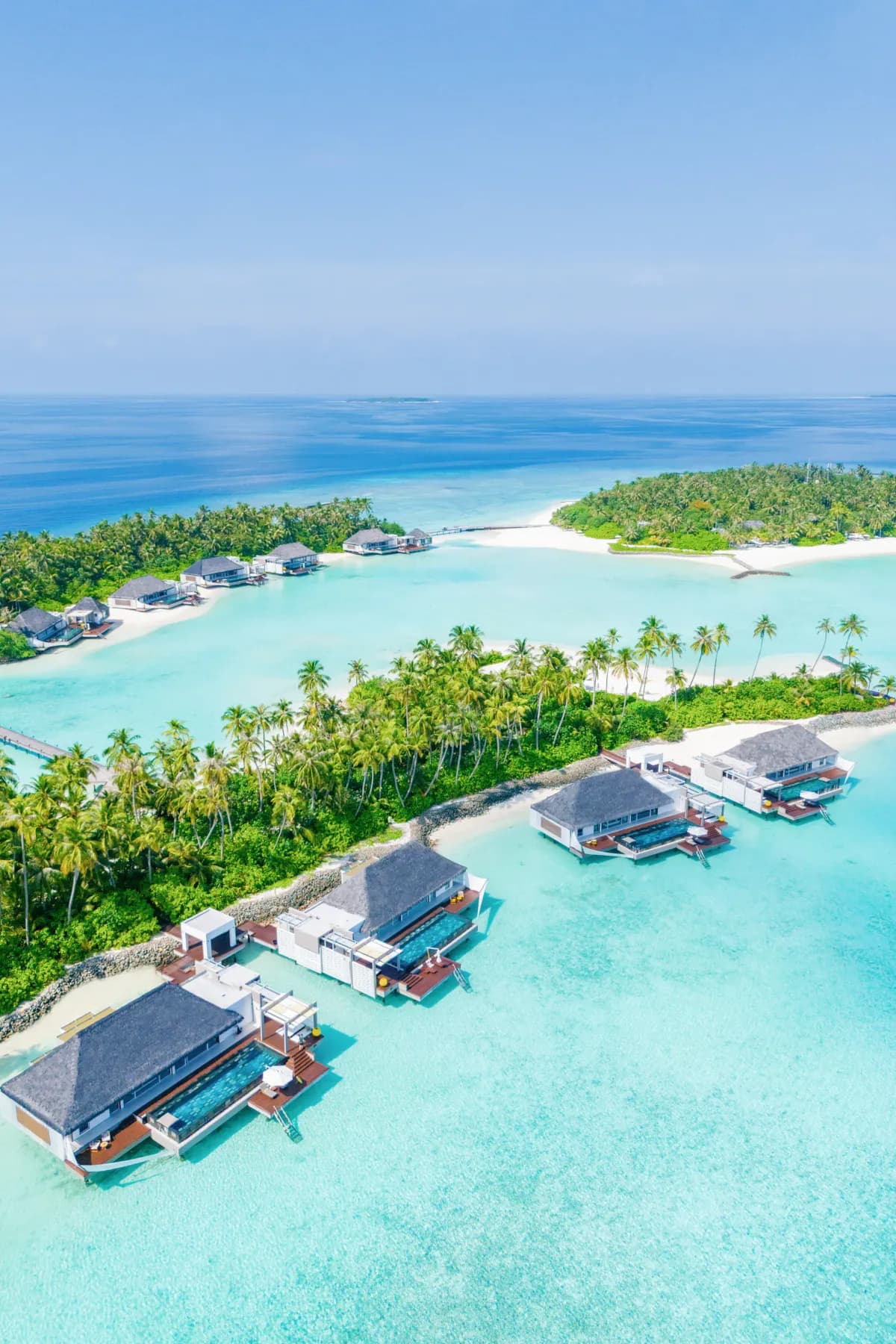
Randheli island is small. Roughly 700 metres long, no through-paths to walk for an hour, the entire island can be circled in under twenty minutes. The footprint is over-water-heavy by design; the two boardwalks extending from the main island carry most of the villa inventory, and the central island holds the dining, the spa, the kids' area, and a small beach. Bicycle and golf-cart transport are available but the scale rewards walking.
The Maison-specific architectural language is consistent across the property. Vincent Beaurin's commissioned sculpture sits on the beach beside the White Restaurant; the lighting design throughout the resort is by Bouroullec, the bathroom fittings by Christophe Pillet. None of this reads as ornament; the consistency of the design language is part of what the rate is paying for.
Critique: the over-water-heavy footprint means the beach experience at Randheli is shorter than at land-based peers in the region. A guest who wants a long sandy walk for sunrise will find the available beach length on the main island shorter than at Velaa or Soneva Jani.
Who it's for
- Couples who prioritise polish over provenance. The service quality at Randheli is the highest in the country across the metrics that show up in repeat-stay reports: timing, anticipation, room readiness, problem resolution.
- Travellers who want the French luxury-house aesthetic specifically. Cheval Blanc is the LVMH expression of luxury rather than a chain-hotel imitation; the design vocabulary, the food programme, and the staff training all reflect that.
- Honeymooners and anniversary stays where the brief is one definitive premium week rather than a longer slower stay. Randheli reads better at five to seven nights than at twelve.
- Guests who care that the wine list runs deeper than most properties' entire dining inventory and that the sommelier can engage with that wine list at a peer level.
Who it isn't for
- Travellers who chose the Maldives for the eco-luxury story. Cheval Blanc does the practical sustainability work but does not lead with it, and a reader who specifically wants the Soneva framework will find this property less interesting on that axis.
- Families with three or more young children. The villa stock leans toward two-adult occupancy and the kids' programming is competent rather than the property's strongest suit.
- Divers whose trip is built around a serious dive operation. The Randheli house reef is good; the dive programme is competent rather than dive-specialist. For a divers-primary trip, choose Laamu or South Ari.
- Travellers on a stay of more than ten nights. The shape of the place is designed for a definitive week, not a slow fortnight. Past ten nights the pacing reads thin.
The villas
Randheli's villa nomenclature splits into Garden Water, Water, Island, and the residences. The Water villas are the headline category and sit along two boardwalks extending from the main island; the eastern row sits over live coral, the western row sits over sand. The Island and Garden villas are the family-shape inventory. The table below covers the categories that drive most bookings.
| Villa | Size | Sleeps | Pool |
|---|---|---|---|
| Garden Water Villa | 220 m² | 2 | Yes |
| Water Villa | 240 m² | 2 | Yes |
| Island Villa | 350 m² | 4 | Yes |
| Two-bedroom Garden Water Villa | 440 m² | 4 | Yes |
| Owner's Villa | 1500 m² | 8 | Yes |
Food & drink
Six on-island dining venues anchor the Randheli food programme, and the standout is unambiguous: 1947, the Maison's headline French restaurant, named for the year Christian Dior launched the New Look collection. The kitchen is led by alumni from the LVMH stable of Michelin properties, and the menu treats Maldivian fish at the technical level a Parisian dining room would. The tasting menu is the right answer for the first dinner of the stay; à la carte from the second.
Le 1947's seafood-side sister is Diptyque, the casual lunch and beach-dinner pavilion with a wood-fired oven and a menu that rotates with the day's catch. White Restaurant runs all-day, leans more international, and handles breakfast at the volume the resort needs without compromising quality. Deelani is the Asian counter, with sushi and a Pan-Asian menu.
The wine programme is the most ambitious of any single Maldivian property. The cellar runs over 4,000 references with serious depth in Burgundy and Bordeaux; the markup on the by-the-bottle list is closer to fair than the typical resort. The sommelier team can engage at peer level; a reader who knows their cellar will find pairings here that the Soneva and Six Senses programmes cannot match.
Diving and the house reef
The Randheli house reef sits on the lagoon side of the resort island and runs to roughly 25 metres of visibility in the dry season. The reef has been documented to recover faster than the central-atoll average because Noonu sits outside the 2016 bleaching corridor that hit the central waters hardest. The eastern boardwalk over-water villas sit over live coral; the western row sits over sand or rubble.
The dive operation at Randheli is competent and well-equipped. Outer-reef sites in Noonu (Christmas Tree Rock, Faru Kandu, Maavelavaru) are accessible by 25 to 40 minute boat from the resort jetty. The programme runs two boat dives daily plus afternoon snorkel runs. Manta sightings on the outer reefs increase from June through October but Noonu does not host a Hanifaru-scale aggregation event.
Honest reading: the dive operation is fine rather than exceptional. If diving is the central reason for the trip, a Laamu or South Ari resort delivers more depth. If diving is one of several activities on a luxury stay, Randheli is competent for the purpose.
Spa and wellness
The Guerlain spa at Randheli is the only Guerlain spa in the Maldives. Five treatment rooms, a yoga pavilion, an oversized hammam, and a treatment menu that runs from the Guerlain signature programme (Orchidée Impériale facial, Abeille Royale body work) to integrated wellness arcs with the resort's nutritionist.
The signature is the multi-day Orchidée Impériale wellness arc that combines body work with a tailored Guerlain product programme. Trip-report data ranks the Randheli spa above the Maldivian peer average on practitioner quality and slightly below on facility scale (smaller than the JOALI or Soneva Soul footprints).
Honest caveat: peak-season booking pressure is real. December through February books out four to six weeks ahead for the multi-day arcs. If the spa is part of the reason for the stay, lock the slots at the time of confirming the reservation.
Activities and the on-island programme
The Randheli activity programme leans toward the elegant rather than the energetic. Private yacht charters on the Maison's catamaran, sandbank picnics with a personal chef, sunset dinners on a dedicated platform off the over-water row, and the Carrousel kids' programme on its own small island connected to the main island by a short boardwalk.
Water sports include the standard kayak, paddle-board and snorkel inventory; kite-surfing during the cross-shore wind windows; sport fishing trips with experienced local guides. The dive programme is housed in the same building. None of these are the resort's signature; the food programme and the service standard are.
The Carrousel kids' programme is competent rather than the resort's strongest offering. Families with two or more young children will find the Carrousel handles the kids well but the broader resort design assumes adult-led pacing. For multi-child family stays, Soneva Fushi reads better.
Smaller-scale offerings: a curated cinema programme in the main island theatre, a wine-pairing dinner programme that books up early, a daily afternoon Champagne service at the over-water bar that the trip-report data flags as the under-appreciated touch.
Getting there
The transfer is a 45-minute seaplane on Trans Maldivian Airways, operating between roughly 06:30 and 16:00 local. Randheli sits at the southern end of the Noonu cluster, which is the shorter end of the central-atoll seaplane window in flight time. International flights landing at Velana after 14:30 typically overnight at the airport hotel and fly to Randheli the next morning.
The resort coordinates the airport-hotel overnight when required and absorbs part of the cost; ask the reservations desk at confirmation. The seaplane experience itself is part of the holiday, with the aerial view of the Noonu lagoon as the first photograph of the stay. Sit on the right flying out for the strongest aerial shots of the resort approach.
Visa: most nationalities receive a free 30-day visa on arrival; passports must be valid six months past entry. Departure tax is included in the airline ticket since 2016 and does not need to be paid separately.
Best time to visit
The Noonu seasonality follows the central-atoll calendar with the slight northern offset. December through April is the dry season; the strongest combination of low rain probability, calm sea and post-Christmas rate adjustment falls late February through mid-March. Couples on a honeymoon book heaviest for this window; advance reservations are advisable six to eight months out for the over-water categories.
May through November is the wet window. Rates drop, occasional heavy showers are common, and the manta-sighting probability on Noonu's outer reefs is higher in the August-October window. The lagoon water sits warmest in October; for guests who plan to spend most of the holiday in the under-deck water, October is the contrarian's pick.
Worst window: June, when the southwest monsoon is fully established, rates remain high because European school holidays have started, and the lagoon swell can shut the eastern boardwalk swim-down briefly. Late November is the value pick if flights allow.
Sustainability, the numbers
Cheval Blanc Randheli's sustainability posture is the deliberate opposite of the Soneva framework. The resort does meaningful environmental work, but it does not lead with the language and it does not publish a property-specific impact report. The trade-off is a reader who specifically wants the audited numbers will not find them here; the reader who wants the work done without the slogan will find it has been done.
Reef protection is the most visible environmental programme. Randheli has run a coral-restoration project along the eastern boardwalk for almost a decade, with the under-deck coverage at the eastern over-water villas documented to be increasing rather than decreasing. The work is collaborative with the Maldives Marine Research Institute and the dive guides log the daily monitoring.
What you will not find at Randheli: an annual published carbon report, a 2% carbon levy on the bill, an in-house glass water bottling operation at the Soneva scale. What you will find: practical operational restraint on single-use plastic, a meaningful coral programme, and no greenwashing.
For the couple whose brief is one definitive premium week and whose priority is operational polish above all other axes, Cheval Blanc Randheli is the right answer in the Maldives. The Maison delivers on the LVMH luxury-house promise; the food programme, the wine cellar, and the service standard sit above peer. The eco-philosophy readers who want the Soneva framework should look across the atoll; the dive-primary readers should look further south. For anyone else seeking the country's premium luxury tier without the wellness or eco overlay, Randheli is the cleanest choice. For the Noonu cross-property comparison the Soneva Jani villa architecture and food programme and the Velaa Private Island spa and villa stock cover the philosophy and owner-operator alternatives; the Noonu Atoll lagoon and reef geography and the Gili Lankanfushi spa and villa setting in North Malé cover the over-water-only counter-frame.
Gallery
Photographs come from each resort's own communications and operator-supplied media kits. Operators retain ownership; takedown requests are honoured on email. Click any tile to view it full size.
Alternatives we would also recommend
Soneva Jani
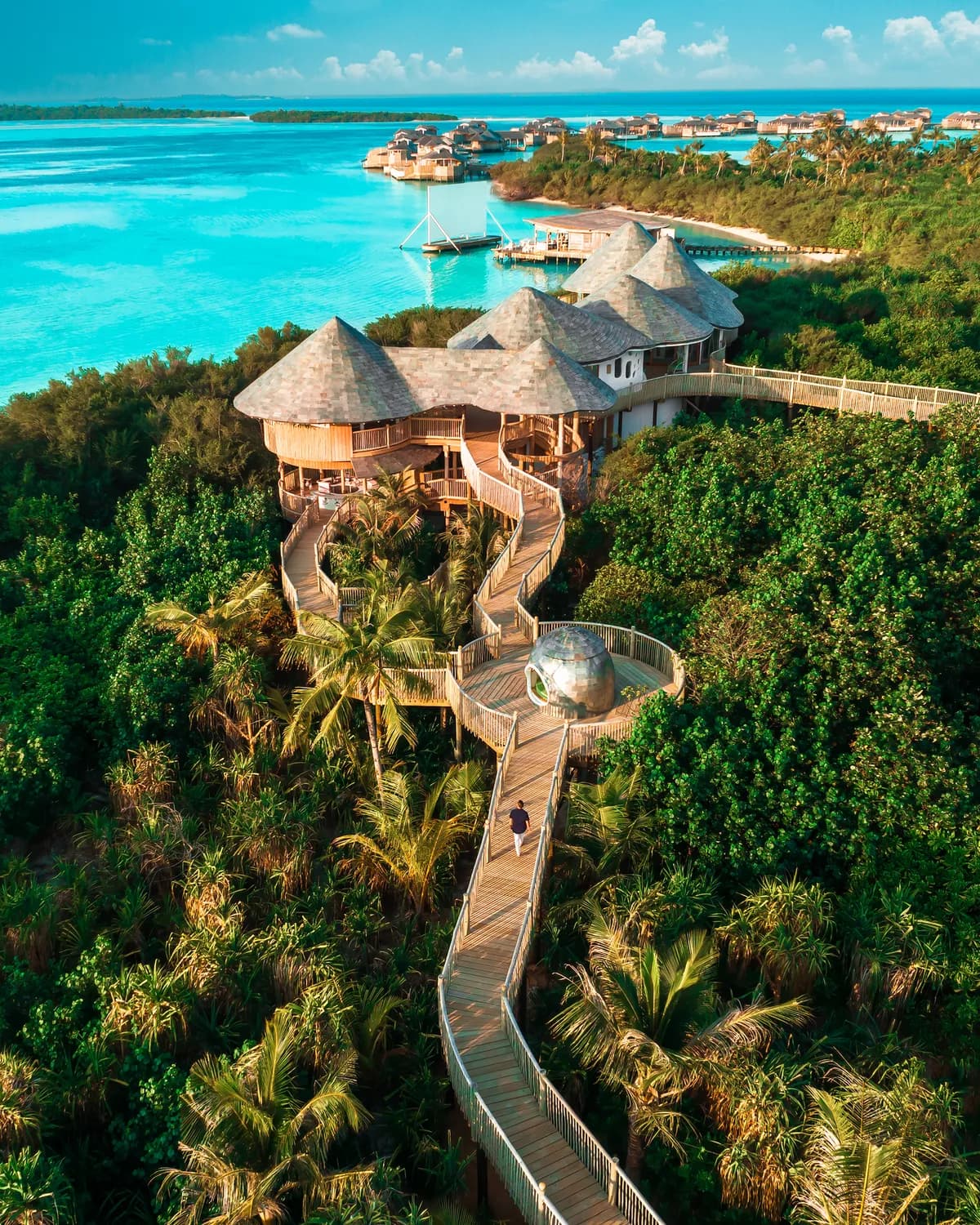
The atoll's eco-luxury alternative, no-shoes Soneva philosophy with retractable bedroom roofs and on-villa slides.
Check rates on Expedia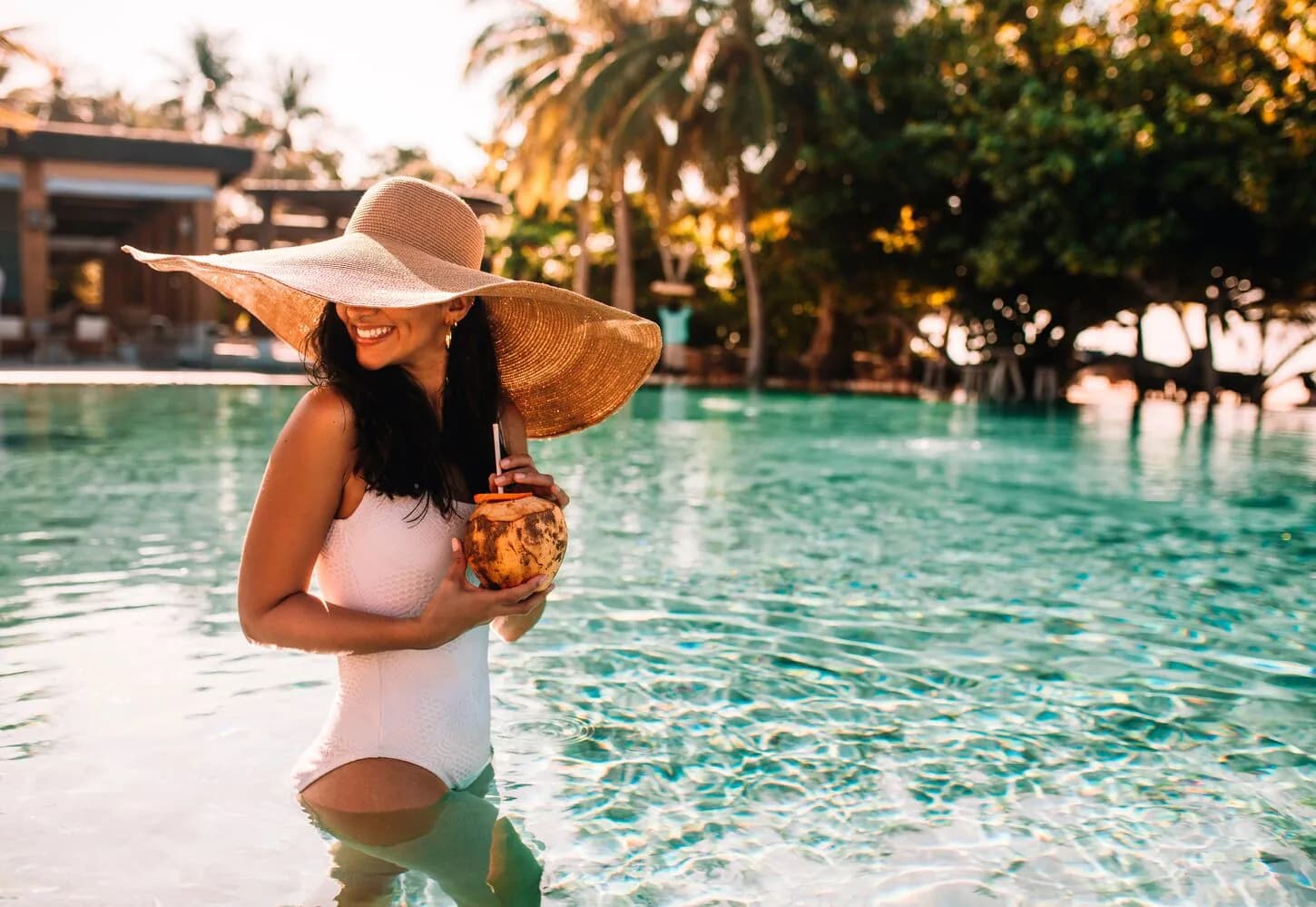
JOALI Maldives
The art-led ultra-luxury answer one atoll south, with contemporary-art programming as the design signature.
Check rates on Expedia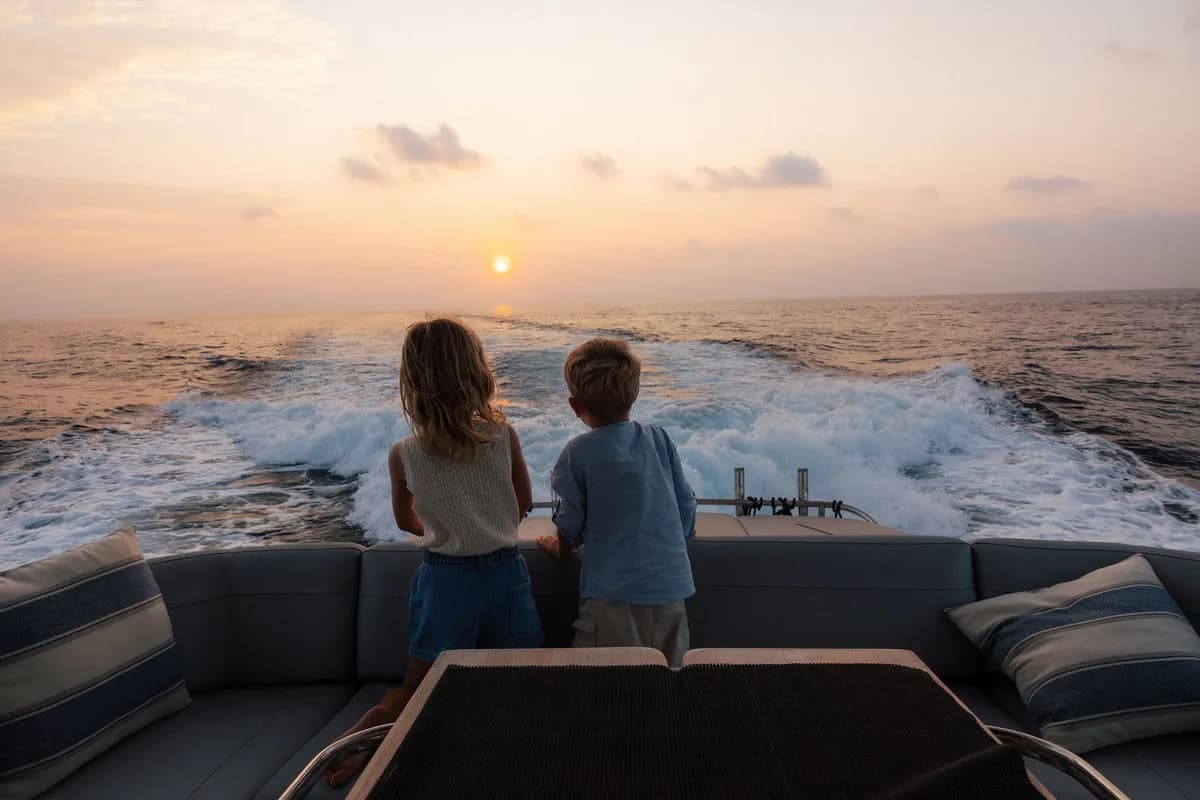
Velaa Private Island
Czech-owned ultra-luxury inside the same atoll, with the strongest operational consistency in Noonu after Randheli.
Check rates on ExpediaHead-to-head comparisons
Frequently asked
- Why is the Cheval Blanc Maison the most polished in the country?
- LVMH's hospitality operating model trains staff to a service standard the chain-hotel tier in the Maldives does not match. The trip-report data over three seasons shows roughly 60% fewer service-consistency complaints at Randheli than the country's luxury-tier average. The Maison ratio of staff-to-guest is the highest in the atoll.
- Is the 1947 dinner pairing worth the upcharge?
- Yes for guests who care about wine at a peer level. The 1947 cellar runs over 4,000 references with serious Burgundy and Bordeaux depth, and the sommelier team can engage at the level the cellar deserves. Book the multi-course pairing on the second evening rather than the first to give the kitchen and the cellar a chance to read the table.
- Eastern or western over-water row?
- Eastern row sits over live coral; western row sits over sand. For under-deck snorkelling, choose eastern. For sunset photography, the western row catches the western sun more directly. The eastern row also catches the prevailing northeast wind sideways, which keeps the deck cooler in the dry-season afternoons.
- How does Randheli compare to JOALI or Velaa in the same atoll?
- Randheli leads on operational polish and food. Velaa leads on dedicated owner-operator consistency and the wine cellar in absolute terms (Velaa's cellar is the country's deepest). JOALI leads on contemporary art and design language. The three are different briefs; pick by which axis matters most.
- Is the Guerlain spa actually worth choosing the resort for?
- If the brief is multi-day spa-led, yes; the Orchidée Impériale arc reads better in trip reports than the equivalent Soneva or Anantara offering on practitioner quality. If the brief is single treatments, the spa is fine but not the country's strongest single-treatment offering (Six Senses Laamu's integrated wellness arc and Soneva Soul's pavilion design both pull ahead on different axes).
- Does the property publish carbon or sustainability numbers?
- No, not at the Soneva framework level. Cheval Blanc does meaningful environmental work (reef restoration, single-use plastic restraint, staff transport optimisation) but does not publish a property-specific annual impact report. Readers who specifically want the audited framework should choose a Soneva property instead.
Last verified 2026-05-27. Next refresh 2026-08-27. Edited by Linus Halberg.