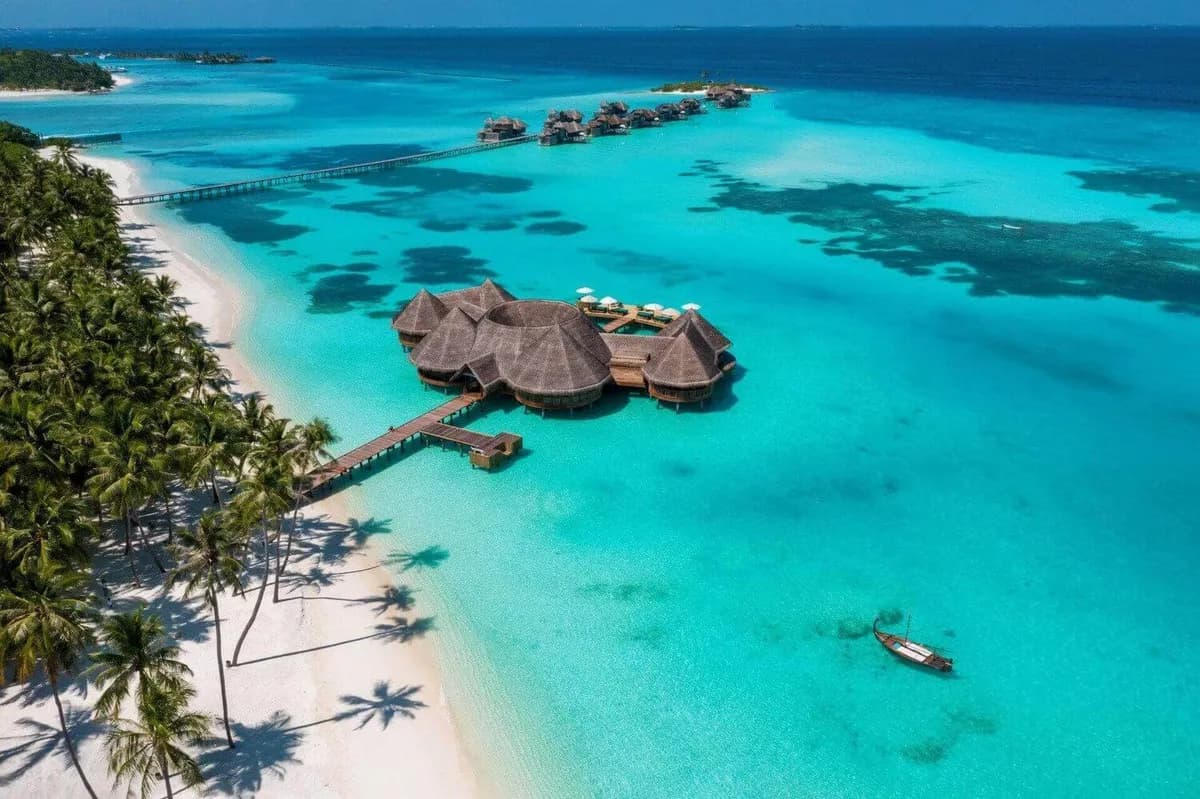
Gili Lankanfushi
The country's clearest expression of the 'no news, no shoes' brand position: roughly 45 stilt villas, no land-based rooms, Crusoe Residences reachable only by kayak or resort pontoon. Intimacy through architecture, not through transfer time.
Gili Lankanfushi occupies Lankanfushi island in North Malé Atoll, about 20 kilometres from Velana International and a 20 to 30 minute speedboat from the airport jetty depending on conditions and which transfer source is read (the operator FAQ lists 30 minutes; most secondary trade sources cite around 20). The property opened in 2001 as Soneva Gili, separated from the Soneva group in 2009 when HPL Hotels & Resorts acquired and rebranded it, and was largely rebuilt by 2015 after a January 2014 fire destroyed several over-water structures including parts of The Private Reserve. The configuration is the resort's identity: roughly 45 over-water villas, no beach rooms, the standalone Crusoe Residences reached only by kayak or by booked pontoon, and the wide-screen 'no shoes' service ritual that organises everything from check-in to the cellar. Where One&Only Reethi Rah buys privacy in the same atoll with 130 acres of beach, Gili buys it with the over-water-only layout and the deliberate small scale. Whether the trade-off (no beach inventory, the brand-ritual cadence that occasionally reads as performative, the chain-luxury polish that sits a half-step below the LVMH-tier consistency at Cheval Blanc Randheli) is worth the architecture is the page's main question.
Setting
Lankanfushi island is a small natural island (separate from the inhabited Lankanfushi island in the same atoll), shaped roughly as an elongated oval with the main resort architecture stilted around its western and southern flanks. The interior carries the dining venues, the cellar, the spa, and the staff areas; the island itself remains thickly vegetated.
The Crusoe Residences sit on a crescent off the tip of Palm Beach (Island View, seven units) or on a separate pad a short boat ride away (Sunset Crusoe, three units). The Private Reserve is the country's largest stand-alone over-water villa at 1,700 square metres, sitting 500 metres from the main island in its own lagoon.
The standalone Crusoe configuration produces a kind of seclusion the over-water-only resorts on a single boardwalk cannot match. The trade-off is the access friction, every meal off the residence requires a kayak or a pontoon, which is the right answer for some readers and a poor fit for others.
Who it's for
- Couples whose brief is the over-water-only Maldivian honeymoon, with kayak-access seclusion as the headline ritual. The standalone Crusoe inventory does what most over-water-only resorts cannot: a meaningful walking gap between residence and main island.
- Travellers who prefer the 20 to 30 minute speedboat to a seaplane and want to keep the late-night arrival option open. North Malé scheduling resilience is the operational advantage of the atoll, and Gili leverages it.
- Readers who value the brand-position anchor (the no-news-no-shoes posture, the cellar programme, the Meera Spa ayurvedic depth) over the chain-luxury operational polish. The service ritual is the product here, not a layer over the product.
- Guests who already know they want a wine-led trip. The Underground Wine Cellar runs 500-plus references with a sommelier tasting programme that is a structural draw rather than a courtesy amenity.
Who it isn't for
- Families who need beach inventory or a heavyweight kids' programme. Gili is over-water-only by design; the family programming is light by central-atoll luxury standards, and the swim-out-from-deck pattern is not the easiest configuration with under-fives.
- Travellers who want a marine event. North Malé does not deliver a Hanifaru-scale aggregation; a manta-window trip belongs in Baa Atoll for the manta season instead.
- Eco-luxury readers who expect the audited Soneva framework. Gili's sustainability work is real (EarthCheck, first-mover Parley plastic partnership, the 2019 seagrass pledge under the Protect Maldives Seagrass movement, biannual training since 2016) but it does not publish at the framework depth of its former parent brand.
- Guests who prioritise visible operational polish above the brand ritual. The service standard is high but the cadence is intentionally slower; readers who notice the seam on a napkin will find that the Maison-tier consistency at LVMH-run properties is a perceptible half-step ahead.
The villas
Gili's inventory is dominated by over-water categories. The headline contrast against Reethi Rah is the absence of land villas; the entire stay happens on stilts or on the standalone Crusoe pads. The table below covers the categories that drive most bookings.
| Villa | Size | Sleeps | Pool |
|---|---|---|---|
| Villa Suite | 320 m² | 2 | No |
| Family Villa Suite | 350 m² | 4 | No |
| Residence | 405 m² | 2 | No |
| Residence with Pool | 425 m² | 2 | Yes |
| Crusoe Residence (Island View) | 250 m² | 4 | No |
| The Private Reserve (4-bedroom) | 1700 m² | 8 | Yes |
Food & drink
Five named dining venues on island plus the organic garden as an experiential venue. By The Sea is the headline counter, an over-water Japanese-leaning programme that anchors the dinner side of the property. Kashiveli runs as the all-day pavilion with breakfast and dinner mainstays; Fini Foni is the dessert and ice cream operation; the Overwater Bar handles the day-time poolside service.
The Underground Wine Cellar is the structural draw and the venue most likely to organise a returning guest's second-evening plan. The cellar lists over 500 wine varieties across old-world and new-world regions, runs a weekly Sommelier's Tasting Table on rotating themes, and offers a wine-and-chocolate plus wine-and-cheese programme alongside the multi-course pairing dinners. Sommelier-led bookings should be locked at the time of confirming the reservation; the cellar capacity is small.
Honest read on the food: the venue count (5) is on the lower end of the central-atoll luxury cluster, and a couple on a ten-night stay will rotate the venues more than once. The compensation is the cellar work and the no-news ritual that surrounds the dinner cadence. Readers whose holiday is the menu rotation should look at the Soneva Fushi food programme (six venues plus the destination dining setups) or the Anantara Kihavah food and reef setting (six venues including SEA underwater).
Diving and the house reef
The Gili house reef is the eastern fringe of Lankanfushi island and runs to roughly 12 to 18 metres of visibility in the dry window. Coral cover is recovering from the 2016 bleaching at a pace consistent with the central-atoll average rather than ahead of it; the protected lagoon side is in materially better condition than the channel-facing side.
Outer-reef dive sites in southern North Malé include Lankan Manta Point (the regional manta cleaning station, strongest June through October), Banana Reef, and HP Reef. The dive operation runs two boat dives daily and routes around the morning peak traffic at the popular channel sites; the dedicated dive-photography support is competent rather than the resort's identity.
Honest caveat: this is not the country's dive-resort answer. North Malé's site density is good but the dive-as-identity properties sit elsewhere, Six Senses Laamu for marine-biology diving depth, South Ari for the year-round whale shark route, Baa Atoll for the manta season concentration.
Spa and wellness
Meera Spa runs the wellness programme with an ayurvedic-led identity (Meera Ayurvedic Therapy is the named offering). The treatments are organised around longer-arc programmes rather than the chain-luxury one-off massage model; readers who want a single-day spa visit will find the framework less convenient than a Six Senses property.
The signature is the prescription-driven ayurveda flow, initial consultation, multi-day treatment series, dietary alignment, that suits readers whose holiday brief includes a structured wellness arc. The setting is over-water with the lagoon as the auditory backdrop; the practitioner depth is good but the team rotates by visiting-expert season more than the country's largest spa operations.
Honest caveat: peak-season booking pressure compresses the multi-day arcs into compressed schedules. December through February books out three to four weeks ahead; the genuine ayurvedic depth is more accessible in the May-October shoulders.
Activities and the on-island programme
Marine programming is the second pillar after the cellar. The in-house dive operation runs two boat dives daily; snorkel guides run a structured house-reef programme and the resort's small marine team supports the seagrass-pledge work as a daily-visible operational element rather than a back-office function.
Watersports: the lagoon is calm enough for stand-up paddleboarding and kayaking year-round (the Crusoe access pattern means kayak skill is genuinely useful here, not decorative). Sailing and motorised watersports run from the boathouse on the southern side of the island. The Padel court that some peer properties have added in the last two seasons is absent at Gili by design, the activity programme is intentionally the slower-cadence one.
Smaller offerings: the cooking class with the chef de cuisine, the cellar-tasting walk-through, the cinema in the Pavilion, a curated reading library, and the Mr / Ms Friday concierge programme that anchors the no-news service ritual (one dedicated host per villa, 24-hour call). The Private Reserve includes its own gym, sauna+steam spa pavilion, cinema, and a water slide that drops directly into the sea.
Honest read: the activity breadth is narrower than Reethi Rah. Gili's answer is the depth on a smaller set of pillars, the cellar, the kayak-access architecture, the ayurvedic wellness arc, the marine programme, rather than the count of available offerings.
Getting there
The transfer is a speedboat from Velana International to the resort jetty. The operator FAQ lists the journey at 20 kilometres and 30 minutes; most secondary trade-source listings cite around 20 minutes for the equivalent run, with the variance reflecting boat type and sea state. The schedule is around-the-clock by central-atoll standards, which removes the seaplane curfew and the airport-hotel overnight risk for late long-haul arrivals.
The transfer to a Sunset Crusoe Residence or to The Private Reserve is a second leg from the main jetty: a short pontoon ride for the Sunset Crusoes (which sit a short boat ride away from the main island) and a 500-metre lagoon crossing for The Private Reserve. Crusoe Residence Island View guests can also kayak between the residence and the main island when conditions allow.
Visa: most nationalities receive a 30-day free visa on arrival; passports must be valid six months past entry. The all-overwater inventory means no airport overnight is required even on late landings, which is the practical advantage that organises the atoll choice for many readers.
Best time to visit
The North Malé seasonality maps directly onto Gili's calendar. December through April is the dry window; the cleanest combination of weather, calm lagoon, and post-Christmas rate adjustment is late February through mid-March. Honeymoon bookings are heaviest then; advance reservations for the Crusoe Residence Island View and the Residence with Pool categories should be locked four to six months out.
May through November carries the southwest monsoon and the lower rate window. Manta sightings at the nearby Lankan Manta Point cleaning station increase from June; the wet-window probability of strong swell affecting the kayak-access pattern between Crusoe Residences and the main island is real, and readers booking a Crusoe during this window should plan for some days when the pontoon is the only practical option.
Worth chasing: late November, when the wet-season winds settle and the cellar-tasting and ayurvedic arc scheduling opens up before the December peak compresses both.
Sustainability, the numbers
Gili's environmental programme is bundled under the Gili Veshi initiative and is one of the better-disclosed working sustainability programmes outside the Soneva framework. The resort holds EarthCheck certification, maintains a 'no plastic policy with guests' (operator wording), and runs a Parley for the Oceans plastic recycling partnership that the operator describes as 'the first of its kind in the Maldives'.
Marine and reef-side work: Gili was one of the first resorts to pledge under the Protect Maldives Seagrass movement in 2019, a meaningful commitment because the country's resort industry routinely removes seagrass from lagoons to satisfy guest aesthetics. Keeping the seagrass protects turtle foraging habitat and the lagoon-water carbon budget. The on-island marine team also runs a coral-lines restoration project that the operator describes as the first of its kind in the Maldives; it sits alongside the seagrass pledge and the Parley partnership as the visible field-side work behind the brand language. The biannual sustainability training for the host team has run since 2016 and is documented as having materially reduced the on-island water and electricity load.
What you will not find: a Soneva-style audited annual impact report, a published carbon-levy on the bill, or the framework depth that Six Senses publishes via its Earth Lab. The work is genuine; the public-facing reporting cadence is lighter than the property's brand pillar would suggest.
For couples whose brief is an over-water-only Maldivian stay with kayak-access seclusion, a serious wine programme, an ayurvedic wellness arc and the no-news ritual cadence, Gili Lankanfushi is the right answer in North Malé. The 45-villa scale, the standalone Crusoe configuration, the 500-plus-reference cellar, and the Parley + seagrass-pledge environmental work are the headline features. The all-over-water inventory (no beach option), the lighter-than-published-framework sustainability reporting, and the chain-luxury polish sitting a half-step below the LVMH peer are the honest concessions worth naming up front.
Gallery
Photographs come from each resort's own communications and operator-supplied media kits. Operators retain ownership; takedown requests are honoured on email. Click any tile to view it full size.
Alternatives we would also recommend
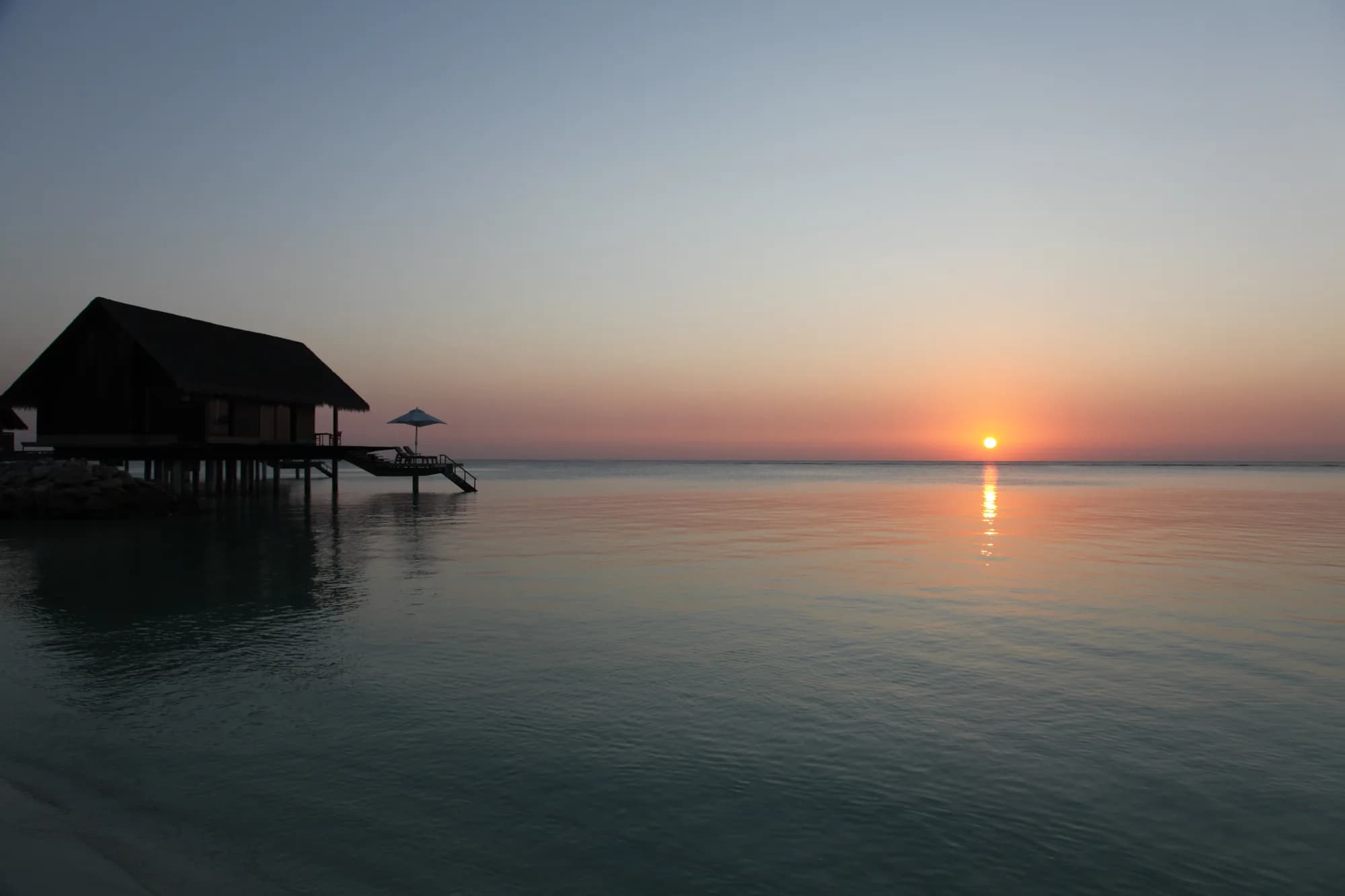
One&Only Reethi Rah
Same atoll, opposite character. Privacy through 130 acres of beach rather than through over-water architecture; chain-luxury polish above brand-ritual depth.
Check rates on Expedia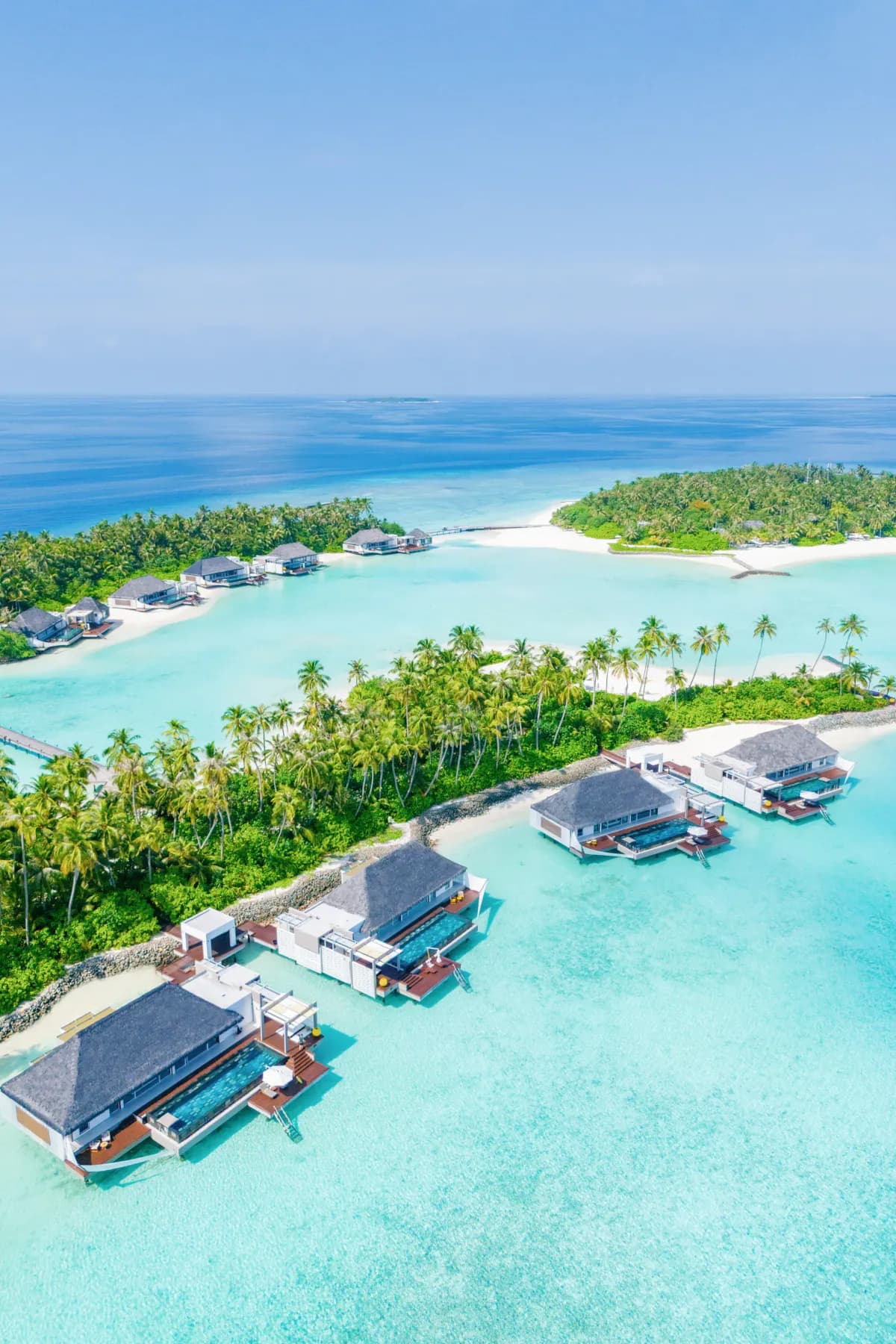
Cheval Blanc Randheli
The LVMH Maison in Noonu. The half-step of operational polish that Gili does not match; Guerlain spa, French-luxury house DNA.
Check rates on Expedia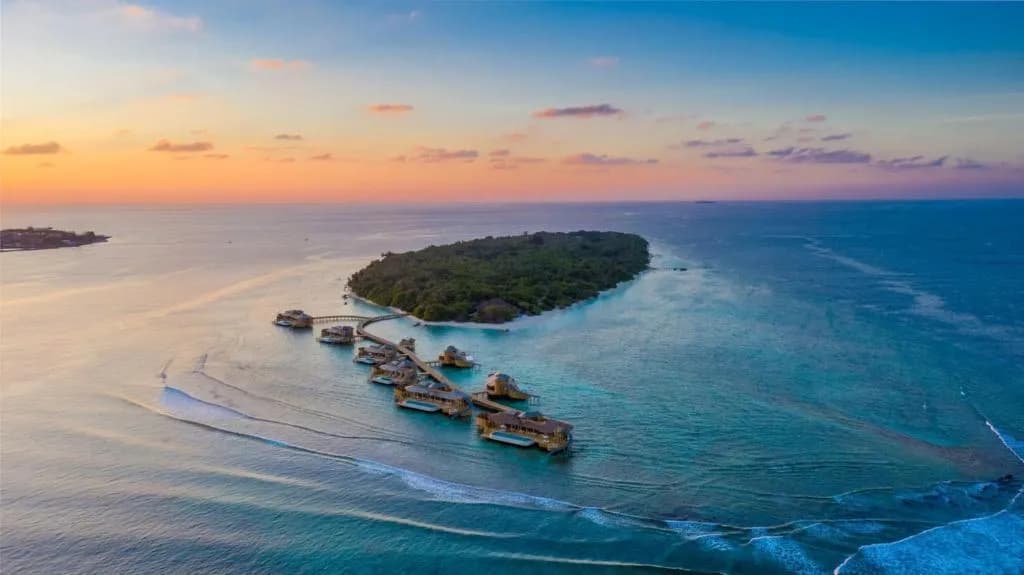
Soneva Fushi
The parent-brand alternative. Gili's lineage runs back to Soneva Gili; the audited sustainability framework that Gili does not publish lives at Soneva.
Check rates on ExpediaHead-to-head comparisons
Frequently asked
- Is Gili really over-water only, no beach villas at all?
- Yes. The entire villa inventory sits on stilts over the lagoon, on the boardwalk-connected pads around the island perimeter or on the standalone Crusoe Residences off the southern tip. There are no beach rooms. Readers who want a beach-villa option in North Malé should look at Reethi Rah instead.
- How does the Crusoe Residence access actually work?
- The Island View Crusoe (seven units off Palm Beach) is connected to the main resort only by water, guests kayak between the residence and the island, or call for the resort pontoon, which runs 24 hours. The Sunset Crusoe (three units, a short boat ride away) is pontoon-only. The Private Reserve at 500 metres is too far to kayak in most conditions and uses dedicated pontoon transit.
- How seriously should I take the cellar?
- Seriously enough to lock a tasting on the second evening of the stay. The Underground Wine Cellar runs 500-plus references with a sommelier programme structured around themed tastings, cheese and chocolate pairings, and multi-course wine dinners. The cellar is the venue most likely to organise a returning guest's repeat visit.
- Is the no-shoes-no-news ritual genuinely barefoot or just marketing?
- Genuinely barefoot, shoes are removed at the arrival jetty and stored for the duration of the stay. The 'no news' element is softer in practice: in-villa connectivity is real, the lobby and bar do not carry televisions or papers by design, and the ritual organises the service cadence (slower pacing, no clock-driven check-in lines) more than it enforces actual digital silence.
- How does the sustainability programme compare to Soneva?
- The work is genuine but the published-framework depth is lighter. Gili runs EarthCheck certification, the first-in-country Parley plastic partnership, the 2019 seagrass pledge under Protect Maldives Seagrass, and biannual host training since 2016. What you do not get is the Soneva-style audited annual report with carbon, water and waste figures on a property-level cadence. Readers who specifically want that depth should choose a Soneva property.
- Is The Private Reserve actually worth the premium?
- For the right party size, yes. The 1,700-square-metre footprint, the 500-metre lagoon isolation from the main island, the four bedrooms (two master plus two guest), the private pool, the spa pavilion with sauna and steam, the gym, the cinema, the water slide and the two live-in Mr/Mrs Friday hosts produce a category that does not really exist at peer properties at this scale of separation. For a six-to-eight-person party that wants a single-residence trip rather than a multi-villa booking, the premium is mathematically defensible.
Last verified 2026-05-28. Next refresh 2026-08-28. Edited by Linus Halberg.