Which atoll for a Maldives honeymoon
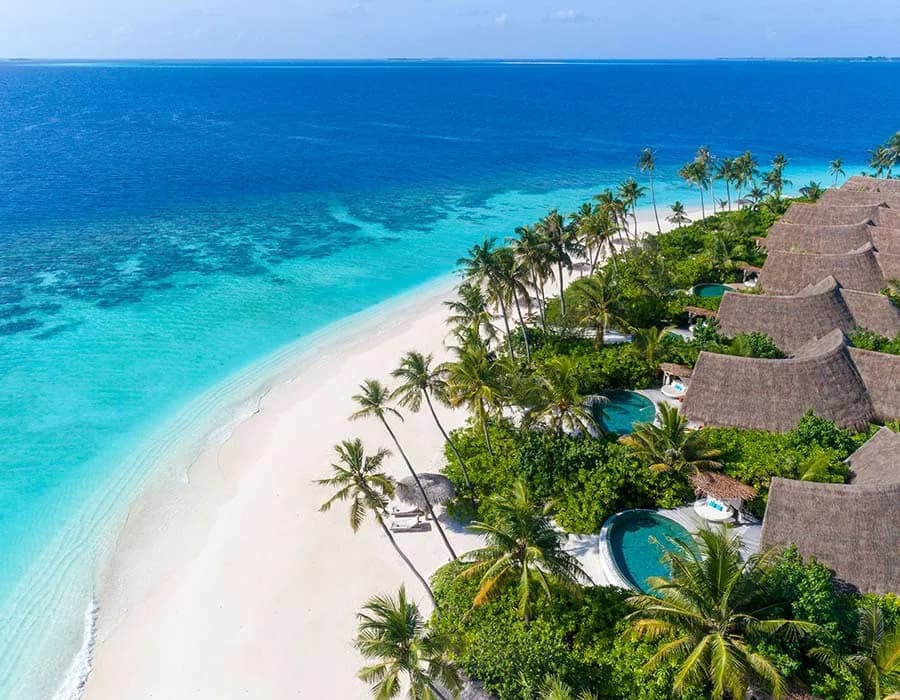
Pick the atoll first, the resort second. Baa Atoll for August-November marine life. Noonu Atoll for isolation at the top tier. North Malé for couples who want to skip the seaplane. South Ari for divers. Laamu for the surf and the slowest pace. Read also: Baa Atoll manta season frame, Noonu Atoll lagoon and reef geography, North Malé Atoll transfer setting, and Laamu Atoll dive-and-surf context for cross-atoll honeymoon framing.
Why the atoll comes first
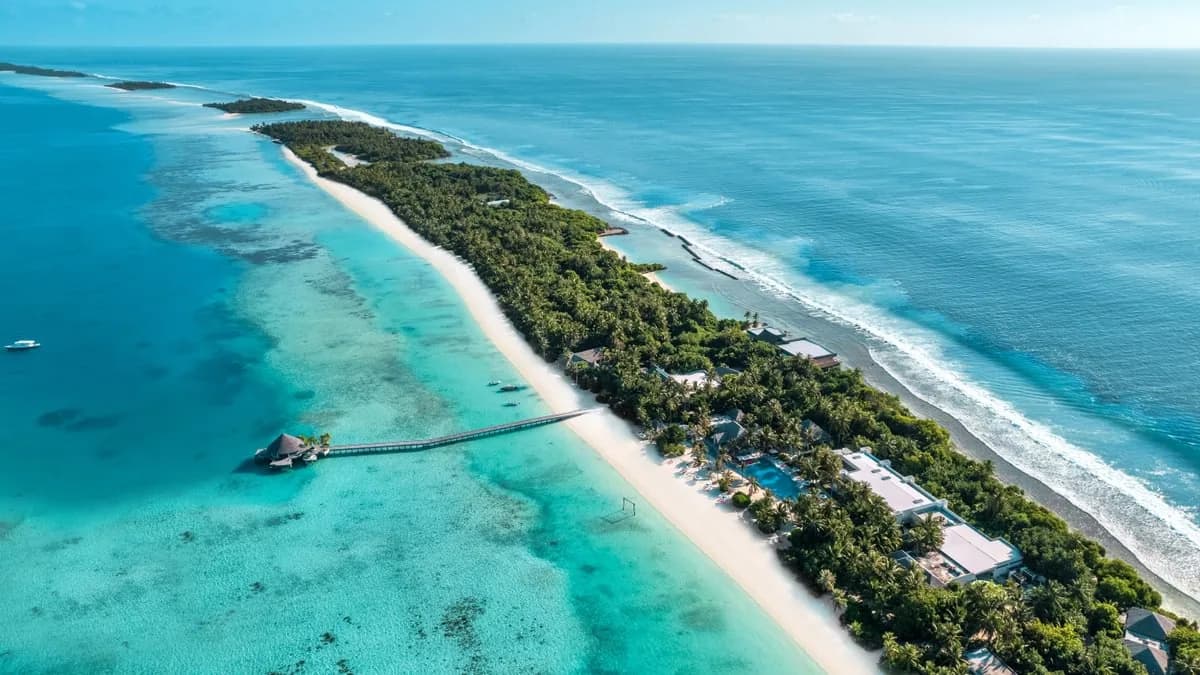
The Maldives has 26 administrative atolls and around 160 resort islands. Most honeymoon planning starts with the resort and works backwards to the atoll, the photograph at the top of a marketing reel, the brand the couple has heard of, the one their friend booked. The order is wrong. Atoll choice constrains transfer time, marine event timing, dive site access, transfer fares, and resort-density character. Resort choice is secondary to all of these. A couple who books the wrong atoll for their actual trip cannot fix the mistake by changing villa category.
The four questions that order the atoll choice cleanly are: how long is the trip, what month is it, what is the marine event you care about, and what is the transfer tolerance. Answer those four and the atoll narrows to two or three candidates. After that the resort choice becomes meaningful; before that the resort choice is decoration.
This guide is sorted by atoll, with the trip-type each atoll best matches and the trade-offs each requires. Read the atoll section that matches your trip; skip the rest. The brand-name shortcuts are at the bottom for readers who already know which resort and want to confirm the atoll context.
Baa Atoll, the marine-event honeymoon

Baa Atoll is the country's only UNESCO Biosphere Reserve, designated in 2011 because of the seasonal plankton aggregation at Hanifaru Bay. From August through November, the bay hosts the world's largest reef manta aggregation; on the right tide on a good day, 100 to 200 mantas occupy a single square kilometre of water for the duration of a 45-minute permit window. Whale shark sightings are common in the same season. No other marine event in the country matches this density.
Baa is the right answer for honeymoons timed for the manta window. The resort cluster (Soneva Fushi, Anantara Kihavah, Four Seasons Landaa Giraavaru, Vakkaru, Amilla, Milaidhoo) is the upper-mid to ultra-luxury tier, with strong food and dive programmes across the lineup. Transfer is a 30 to 40 minute seaplane or a 20-minute domestic flight to Dharavandhoo plus a 10 to 25 minute speedboat.
Trade-off: Baa outside the manta window (December through July) loses much of its differentiation. The atoll is still excellent in those months, but the case for picking it over Noonu or North Malé is weaker. Couples planning a December-March honeymoon and choosing Baa specifically for the marine event are choosing on the wrong axis.
Noonu Atoll, the ultra-luxury isolation honeymoon
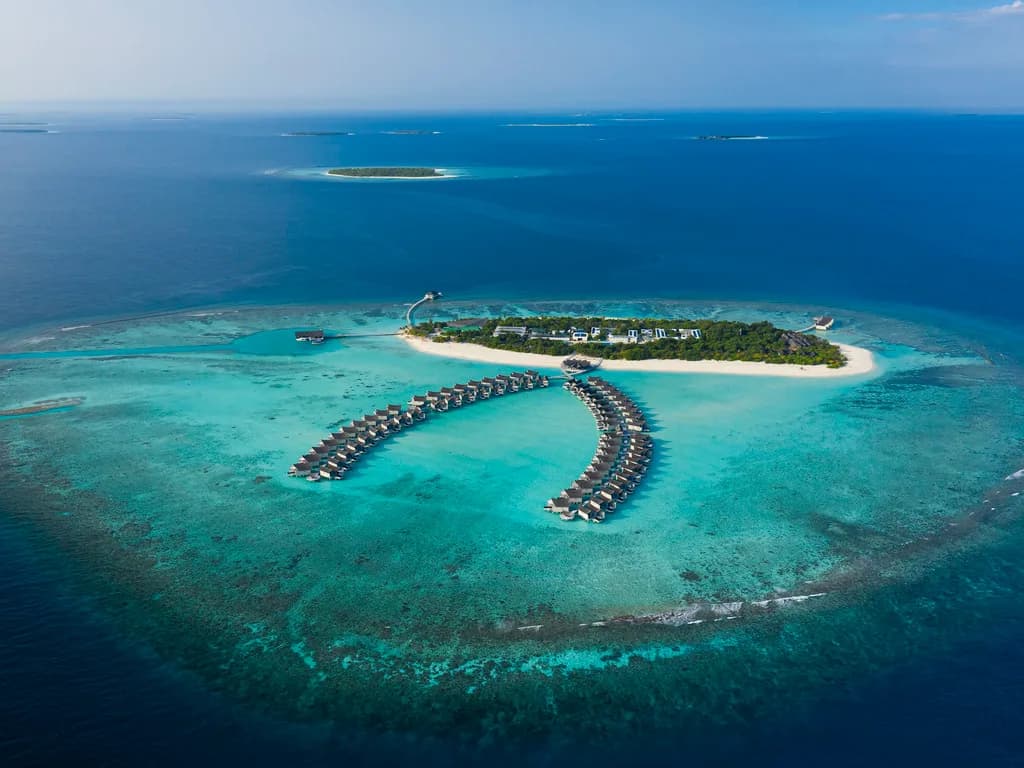
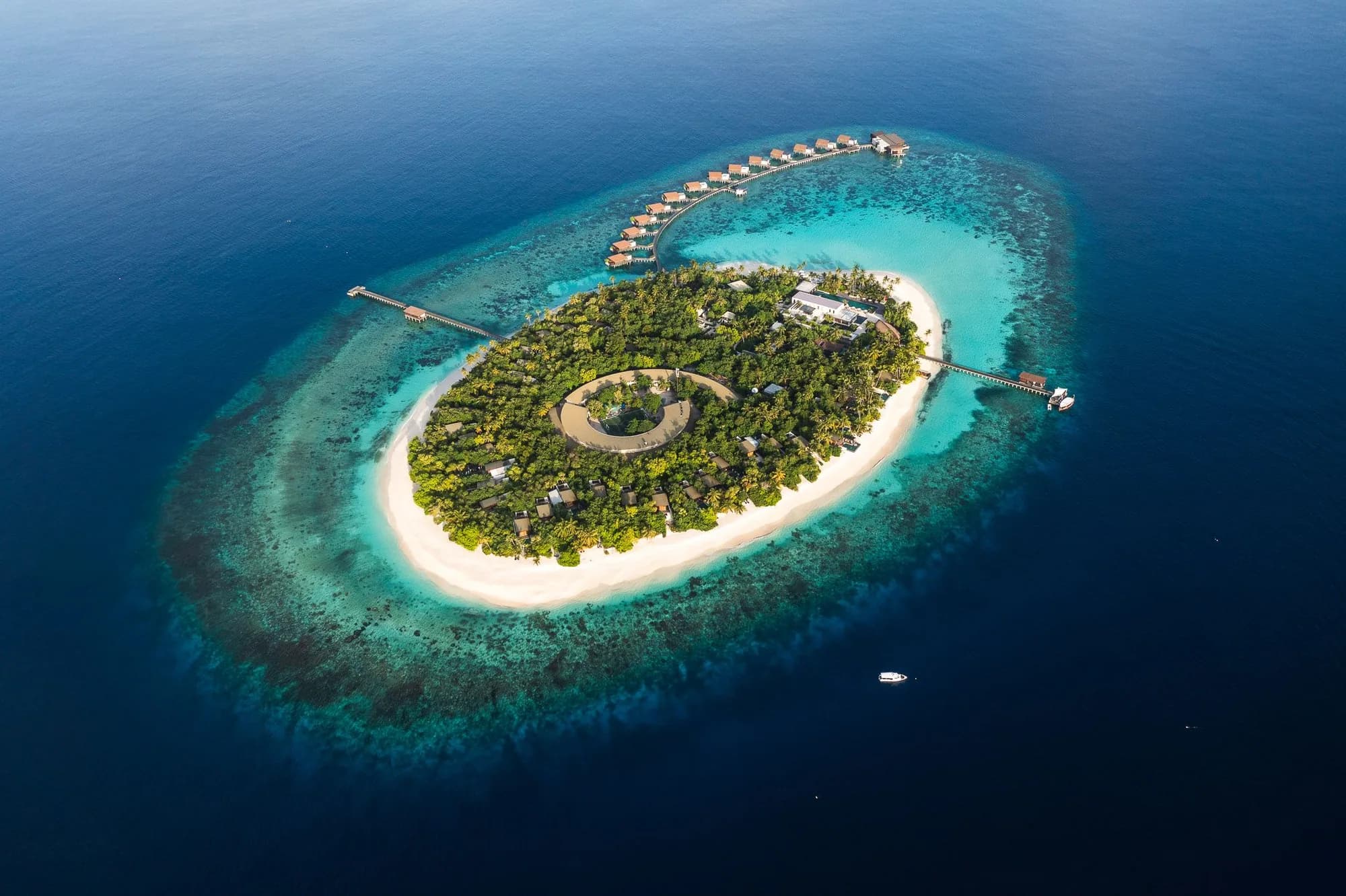
Noonu is the country's densest ultra-luxury cluster: Soneva Jani, Cheval Blanc Randheli, JOALI Maldives, JOALI BEING, Velaa Private Island, and a handful of smaller mid-tier properties. The atoll sits far enough north of the central-atoll group to be socially isolated, the reef condition is the best in the central waters because Noonu sits outside the 2016 bleaching corridor, and the seaplane transfer at 45 minutes is the longest of the central-atoll cluster.
Noonu is the right answer for honeymoons where the brief is the top-tier luxury experience and the priority is having the brand voltage you booked actually deliver. The marine event is missing (no Hanifaru equivalent), but the lagoon water and the dive sites are in better condition than the typical central-atoll average. Couples who picked the resort first (because they wanted the LVMH Maison or the Soneva slide) end up in Noonu by default and the atoll suits the brief.
Trade-off: the long seaplane transfer compounds with the daylight-only operating window. International arrivals after 14:30 typically lose a day to an airport-hotel overnight. For long-haul travellers who cannot guarantee an early arrival, this is a meaningful planning cost.
North Malé Atoll, the no-seaplane honeymoon
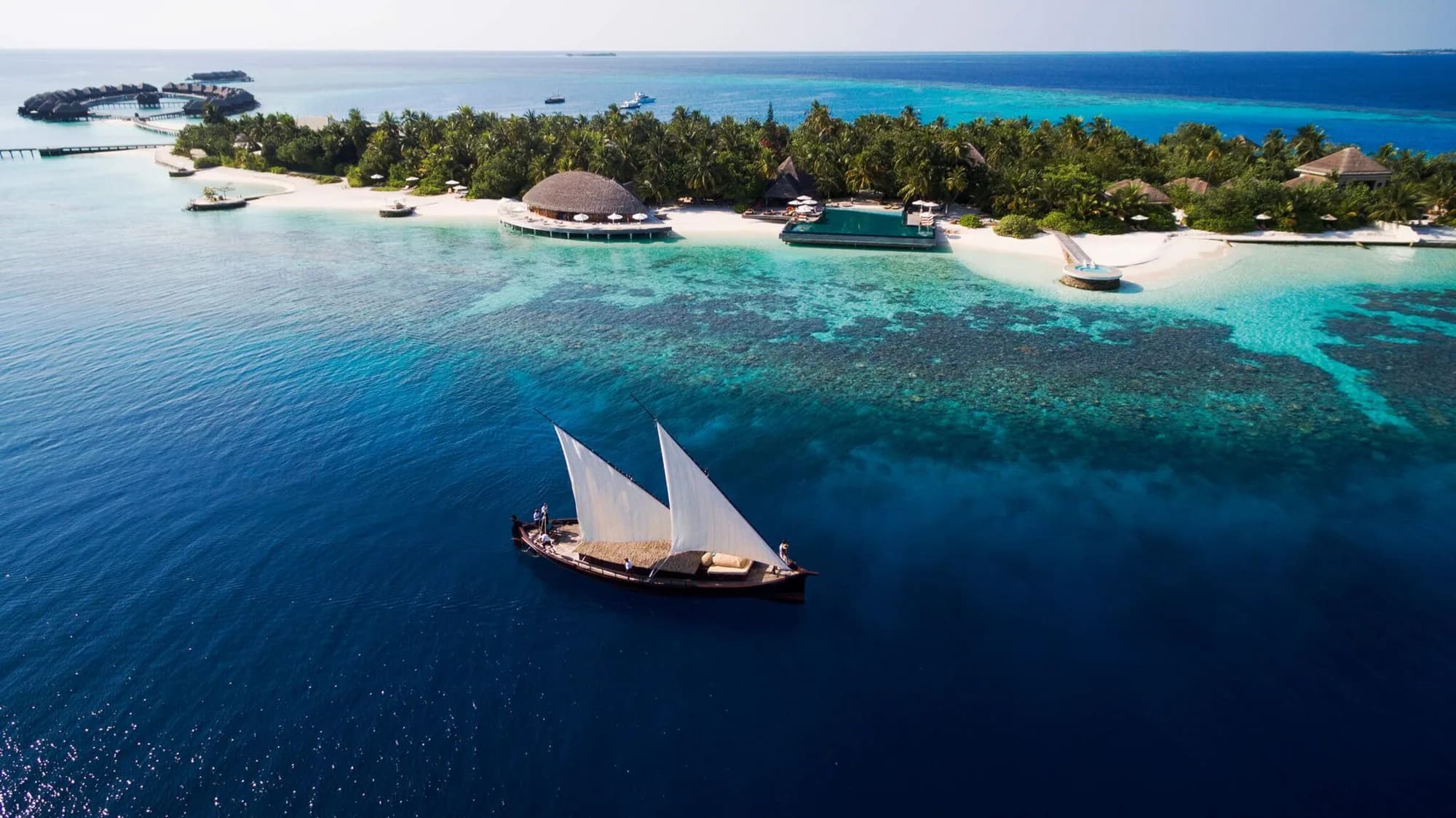
North Malé is the closest atoll to Velana International and the country's most accessible resort tier. The headline benefit is the speedboat-only transfer: 15 to 45 minutes from Velana by boat rather than a 30 to 50 minute seaplane on a daylight-only schedule. For travellers landing late, with mobility issues, or with strong reluctance to fly in a small twin-otter, North Malé is the obvious answer.
The resort cluster spans every tier. Ultra-luxury (Gili Lankanfushi, One&Only Reethi Rah, Patina Maldives, Ritz-Carlton Fari Islands), upper-mid (Four Seasons Kuda Huraa, COMO Cocoa Island, Huvafen Fushi), mid-range (Niva Kurumba, Baros, Banyan Tree), and a small number of all-inclusive properties (Sun Siyam Olhuveli, Adaaran Select). The price spectrum at North Malé is the country's widest single-atoll range.
Trade-off: density. North Malé is the busiest atoll by boat traffic, by resort count, and by visible neighbouring-island infrastructure. The reef condition is the central-atoll average (recovered from 2016 but not exceptional). The atoll is the right answer for a transfer-constrained trip and the wrong answer for a trip that prioritises seclusion.
South Ari Atoll, the divers' and whale-sharks' honeymoon
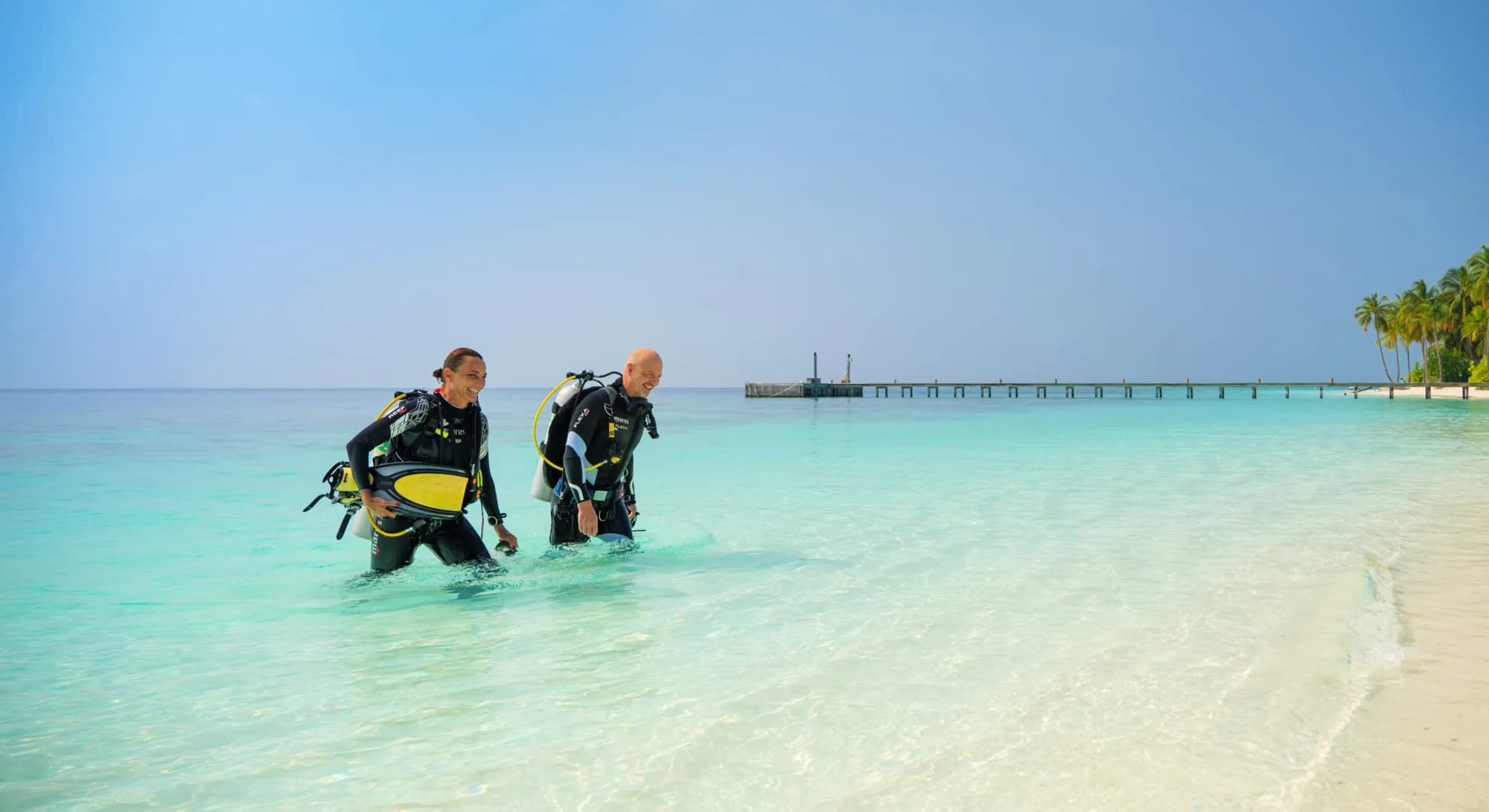
South Ari (administratively Alif Dhaal) is the whale-shark atoll. The southern edge of the atoll runs along a year-round whale shark migration route, and the resorts on that edge (Conrad Rangali Island, Nova Maldives, Kandolhu, LUX South Ari) run regular boat trips to find the sharks. This is the only Maldivian atoll where whale shark sightings are reliable across the year rather than seasonal.
The atoll is also the country's most established dive destination. The outer-reef dive sites (Maaya Thila, Kudarah Thila, Fish Head) are some of the strongest in the country, and the dive operator density at South Ari is the highest in any atoll. For a divers'-honeymoon where the brief is two boat dives a day plus the surface intervals, South Ari is the unambiguous answer.
Trade-off: the ultra-luxury bracket at South Ari is thinner than at Noonu or North Malé. The resort cluster leans mid to upper-mid range; couples expecting the Cheval Blanc or Soneva polish will not find the equivalent here. The Conrad Rangali Island is the headline luxury option and it delivers an underwater restaurant experience similar to Anantara Kihavah's; beyond that the atoll is more about marine substance than brand voltage.
Laamu Atoll, the adventure honeymoon
Laamu (administratively Haddhunmathi) is the country's southernmost luxury-resort atoll, anchored by Six Senses Laamu as the only major operator in the atoll. The position is far south, the transfer is a 50-minute domestic flight to Kadhdhoo plus a 15-minute speedboat (not a seaplane), and the social isolation is the design.
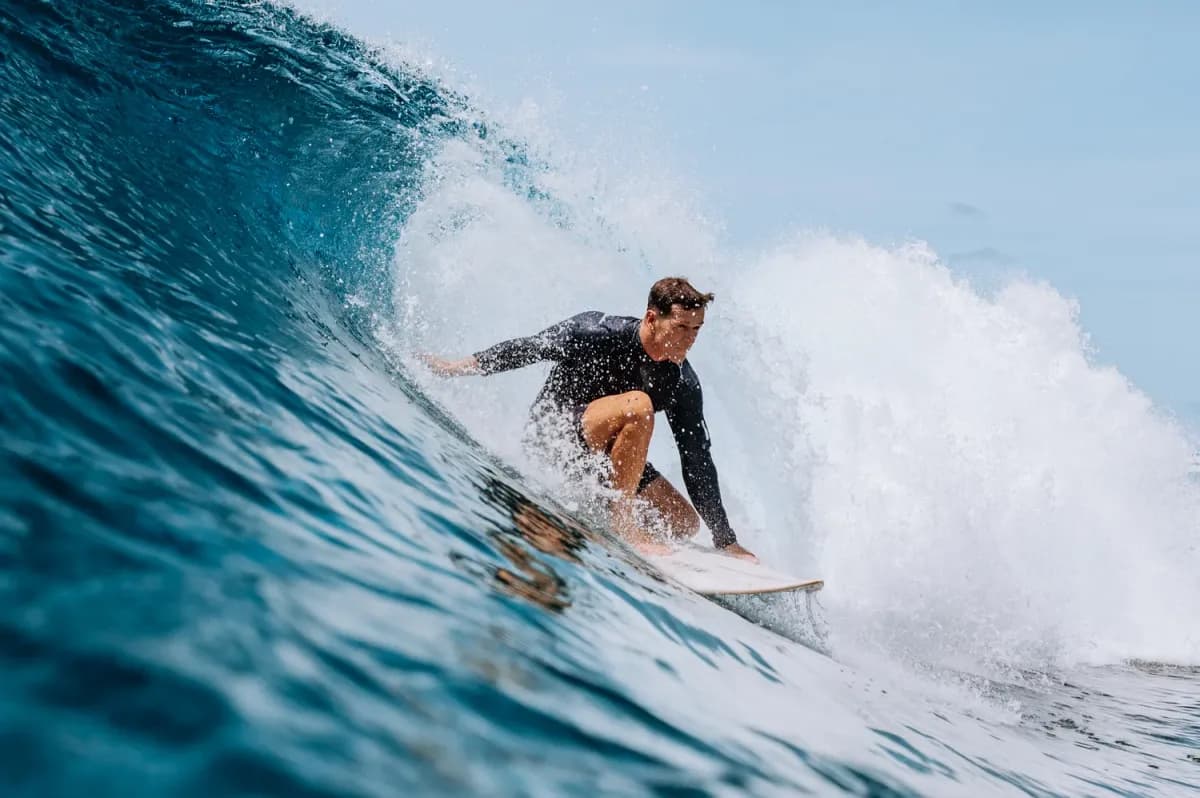
Laamu is the right answer for honeymoons where the brief is adventure substance: marine biology depth (the country's strongest, the Maldives Underwater Initiative is housed here), surf (the Yin Yang break runs from May through October), and the unusual combination of luxury polish with a wilderness sensibility. The schedule resilience is the practical advantage: the domestic flight operates until 21:00, which removes the seaplane curfew problem for late-arriving long-haul travellers.
Trade-off: there is one major operator. A couple choosing Laamu commits to Six Senses; there is no neighbouring property to switch to or visit. The kids' programme is the strongest at Laamu among the southern atolls, but the social shape of the place is for couples and families with marine-curious older children rather than for parties of three or four with mixed-age children.
Raa Atoll, the wellness-led honeymoon
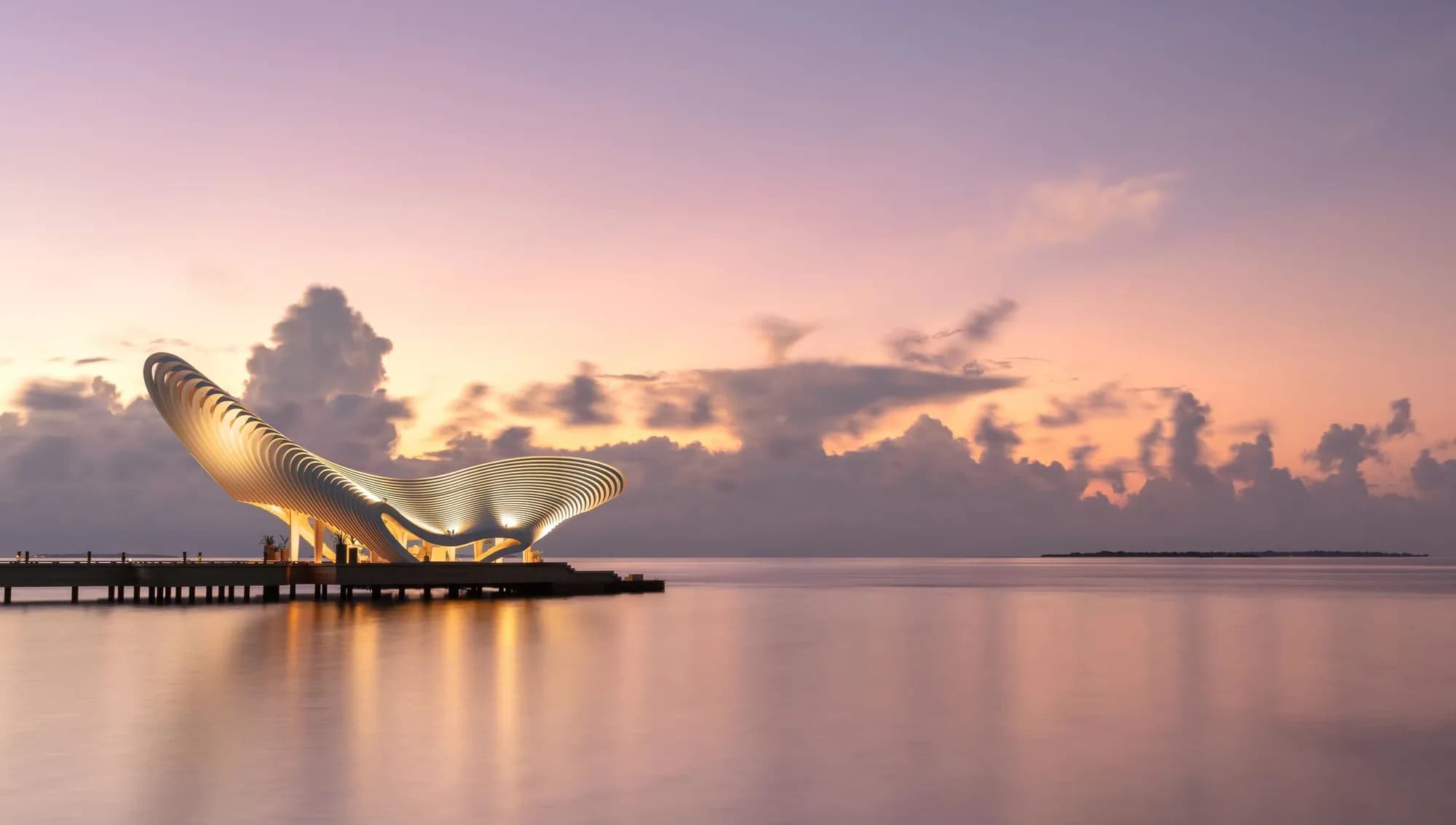
Raa is the wellness atoll. JOALI BEING (wellness-only) and JOALI Maldives (art-led, separately on a different island in the same atoll) define the brand voltage; the Westin Maldives Miriandhoo and Heritance Aarah occupy the mid-luxury tier; The Standard, Huruvalhi anchors the bohemian-luxury bracket. The atoll sits one position south of Noonu, with a similar 40 to 50 minute seaplane transfer.
Raa is the right answer for honeymoons where the brief is a wellness arc as the trip's centre of gravity. JOALI BEING's seven-day or ten-day integrated programmes deliver depth no peer property in the country matches, with a sleep doctor, a nutritionist, and an in-house diagnostic team that read closer to a medical clinic than a resort spa.
Trade-off: the atoll's identity is narrower than Noonu's. A couple booking Raa for a non-wellness honeymoon will find the property options thinner. The marine programme is competent rather than exceptional; the dive sites are good but not the country's strongest.
How to read the month against the atoll
December through April is the dry season everywhere. For a December honeymoon, Noonu and Baa read cleanest (low rain, calm sea, and the December 26 to January 5 peak passes); for a February-March honeymoon, anywhere works. For an April honeymoon, the same logic applies plus the southwest swell has not yet built up the wet-season pattern.
May through October carries the southwest monsoon. Rates drop. Rain is more frequent (rarely full days). Hanifaru's manta window opens in August. Laamu's surf season runs May through October. South Ari's whale sharks are year-round but slightly easier to find in May-September. For a wet-season honeymoon, the atoll choice should align with the marine event you care about; the weather is similar across the central atolls.
Worst window: June. The southwest monsoon is fully established, European school holidays have started so rates remain high, and Hanifaru's event has not yet begun in earnest. June honeymoons should either skip the Maldives entirely or pick the atoll on weather resilience grounds (North Malé reads slightly better than Noonu in June).