Transfer guide for honeymoon couples

Seaplane: forty minutes to the central atolls, daylight-only operation between roughly 06:30 and 16:00. Speedboat: twenty to ninety minutes depending on the atoll. Domestic flight plus speedboat: needed for the southern atolls, adds a half-day. If you arrive after 14:30 into Velana the seaplane is closed; resorts in seaplane-only atolls put you in an airport hotel overnight. Exact fares are quoted at booking and shift seasonally; we publish current windows in our own rate calendar. Read also: Noonu Atoll seaplane transfer envelope for the longest-window context, North Malé Atoll transfer setting for the no-seaplane alternative, Soneva Fushi food and reef setting for the Baa-side transfer comparator, and Anantara Kihavah food and reef setting for the chain-luxury transfer comparator.
The three transfer modes
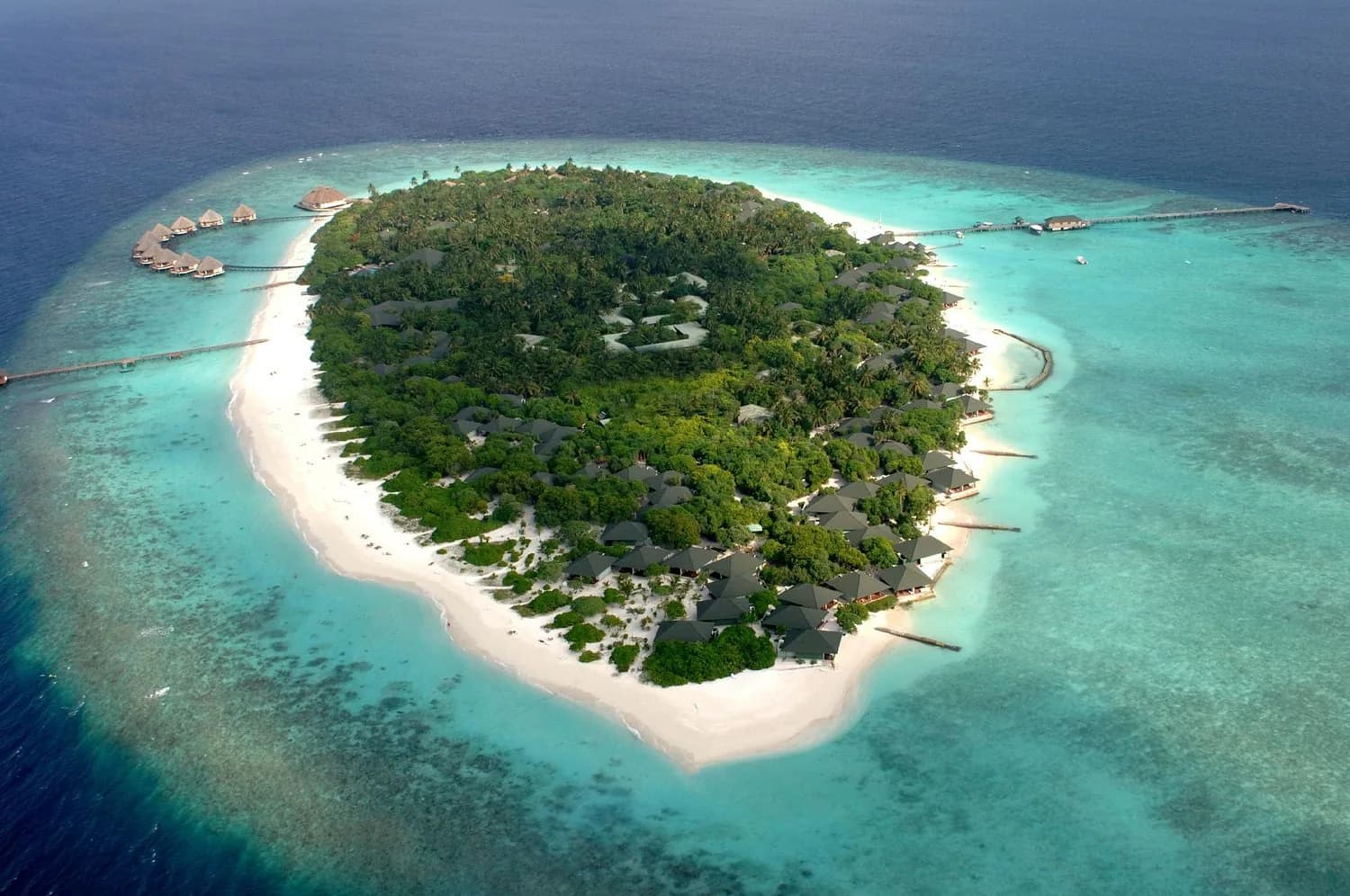
The Maldives runs three connection routes from Velana International Airport to the resort jetty: seaplane, speedboat, and domestic flight plus speedboat. Each carries a different cost profile, schedule profile, and weather-resilience profile, and the right choice is determined by the atoll your resort sits in. The atoll choice constrains the transfer; the transfer cannot be chosen independently.
Seaplane transfers cover most of the central atolls (Baa, Noonu, Raa, Lhaviyani, North Ari, South Ari northern half, Vaavu). The flight runs roughly 25 to 50 minutes on Trans Maldivian Airways twin-otters, operating only in daylight, with a hard window of roughly 06:30 to 16:00 local. The window is the headline constraint: late international arrivals miss the last flight and overnight at the airport hotel.
Speedboat transfers cover North Malé and South Malé atolls almost entirely, plus a handful of close-to-Malé properties in Vaavu and Felidhe. The trip runs roughly 15 to 90 minutes depending on the resort, on an around-the-clock schedule that removes the daylight curfew problem entirely.
Domestic flight plus speedboat covers the southern atolls (Laamu, Gaafu Alifu, Gaafu Dhaalu, Seenu/Addu, Fuvahmulah, Thaa, and the southern half of South Ari). A 25 to 70 minute domestic flight on Maldivian or Manta Air to a regional airport, then a 10 to 60 minute speedboat to the resort. The domestic flight operates on a wider schedule (roughly 06:30 to 21:00) than the seaplane.
Atoll-by-atoll transfer table
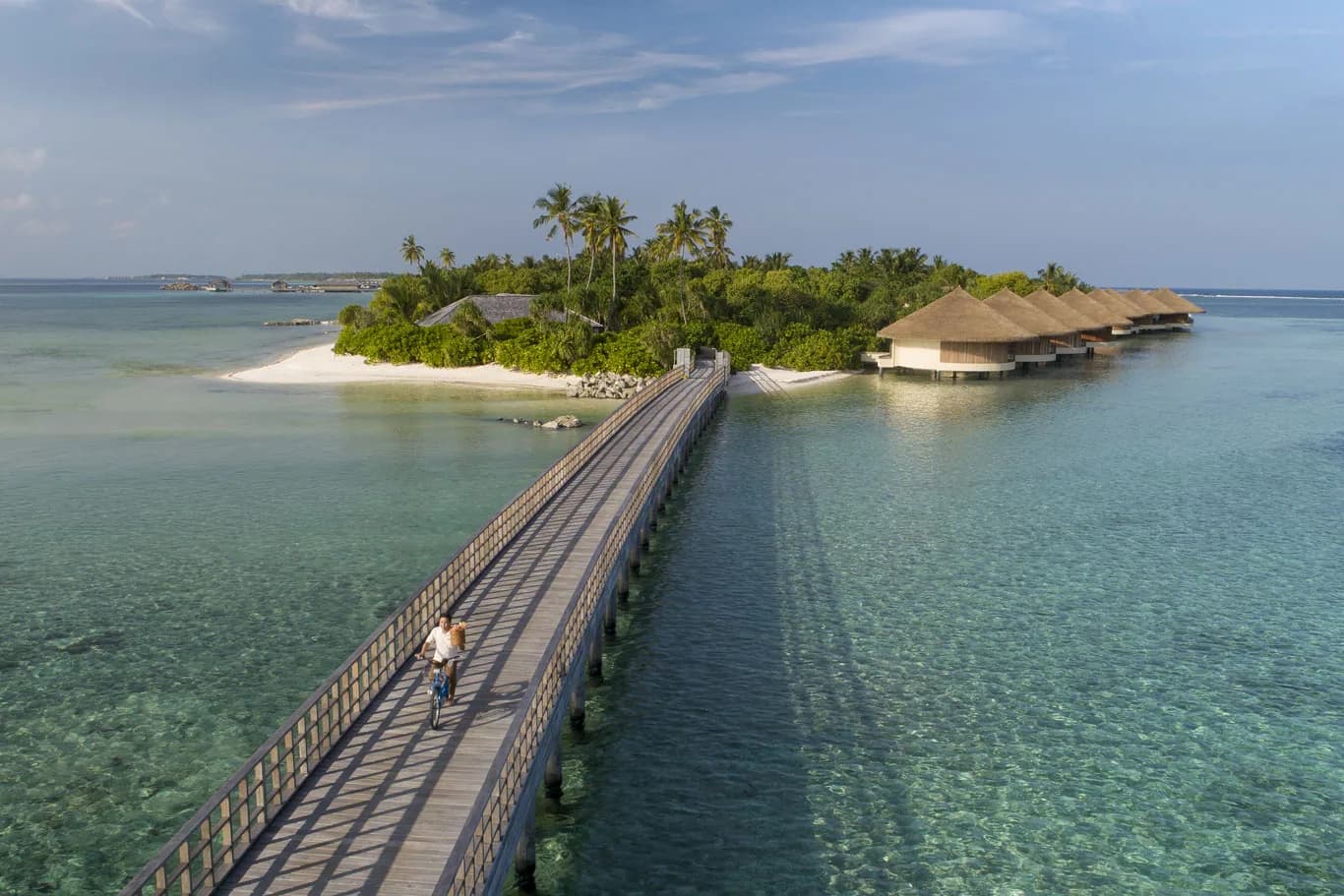
The right answer for your specific trip starts with your atoll. Below, the standard transfer route for the atolls we currently track. Times are typical and assume normal weather and schedule operation; rough seas or southwest monsoon delays can extend each by 15 to 30 minutes.
Baa Atoll: 30 to 40 minute seaplane. Domestic-plus-speedboat alternative via Dharavandhoo (20-minute flight plus 10 to 25 minute speedboat) is available and is the more weather-resilient option.
Noonu Atoll: 40 to 50 minute seaplane. Domestic alternative via Maafaru (35-minute flight plus speedboat) exists for late arrivals but is operationally less mature.
North Malé Atoll: 15 to 45 minute speedboat. No seaplane needed; this is the around-the-clock atoll.
South Malé Atoll: 30 to 60 minute speedboat. Same around-the-clock profile as North Malé.
South Ari Atoll: 25 to 30 minute seaplane (northern half) or 25-minute domestic flight to Maamigili plus 10 to 20 minute speedboat (southern half).
Laamu Atoll: 50-minute domestic flight to Kadhdhoo plus 15-minute speedboat. No seaplane option.
Raa Atoll: 40 to 45 minute seaplane.
Addu Atoll (Seenu): 90-minute domestic flight to Gan plus speedboat or direct land transfer.
The late-arrival problem
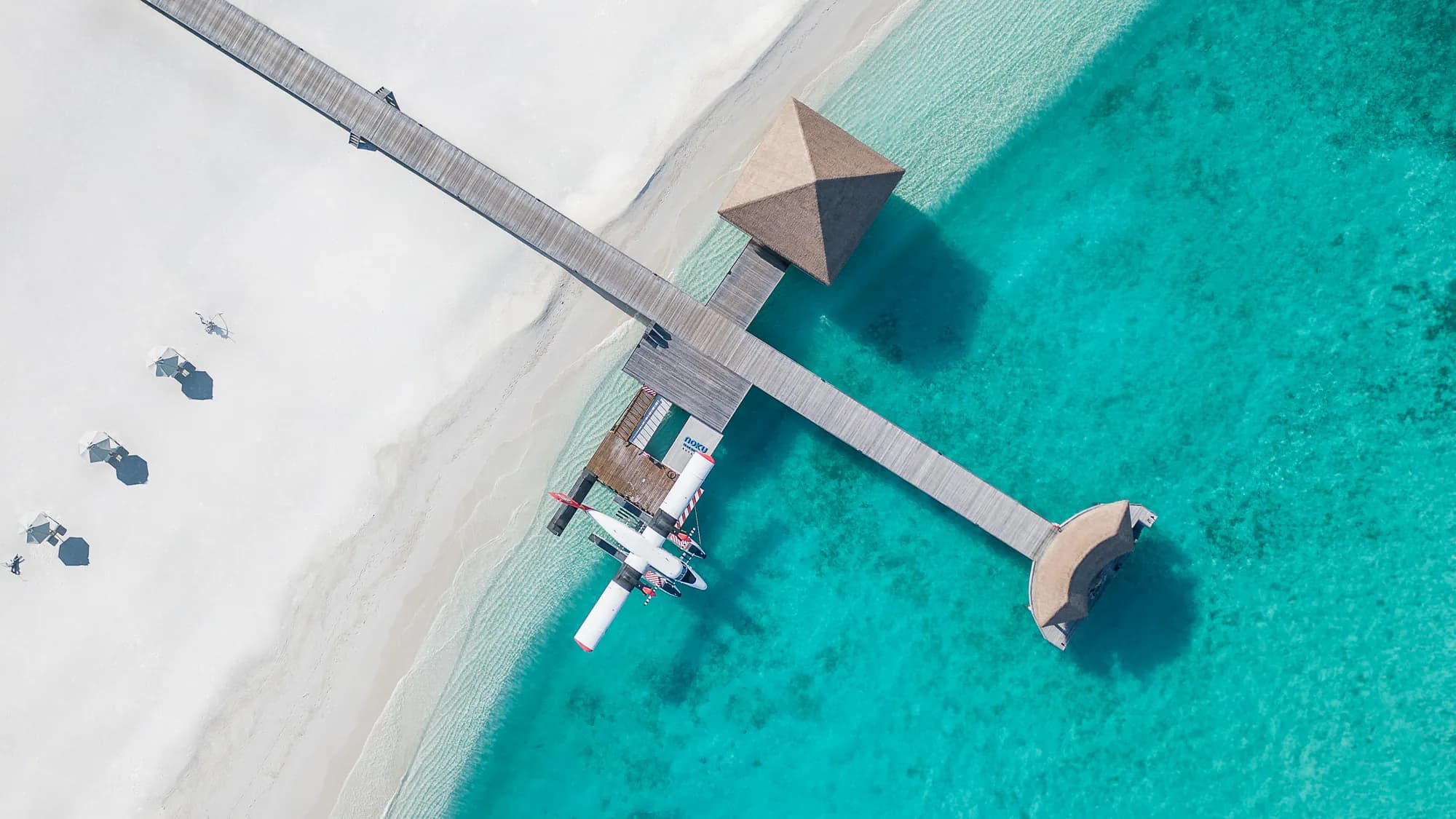
The single largest planning failure on Maldivian honeymoons is the late international arrival into a seaplane atoll. If your inbound flight lands after roughly 14:30, the last seaplane has departed and you cannot connect to the resort the same day. The resort coordinates an airport-hotel overnight (most properties cover or subsidise this), and you fly to the resort the next morning. The trip loses a day.
The practical fix is to pick the atoll with the right transfer mode for the arrival time. If your flight from Europe or East Asia arrives at 22:00 (typical for the Emirates and Qatar routes), book a North Malé or Laamu resort, not a Noonu or Baa resort. The 22:00 arrival to a 23:30 speedboat departure is feasible; the 22:00 arrival to an 06:30 next-morning seaplane is a wasted twelve hours.
If your arrival time is locked and the atoll cannot move, the resort-hotel overnight is the accepted protocol. Pack a small overnight bag at the front of your luggage; the airport hotel will not unpack your full suitcase. Plan dinner; the airport-area food is limited.
Weight limits and packing
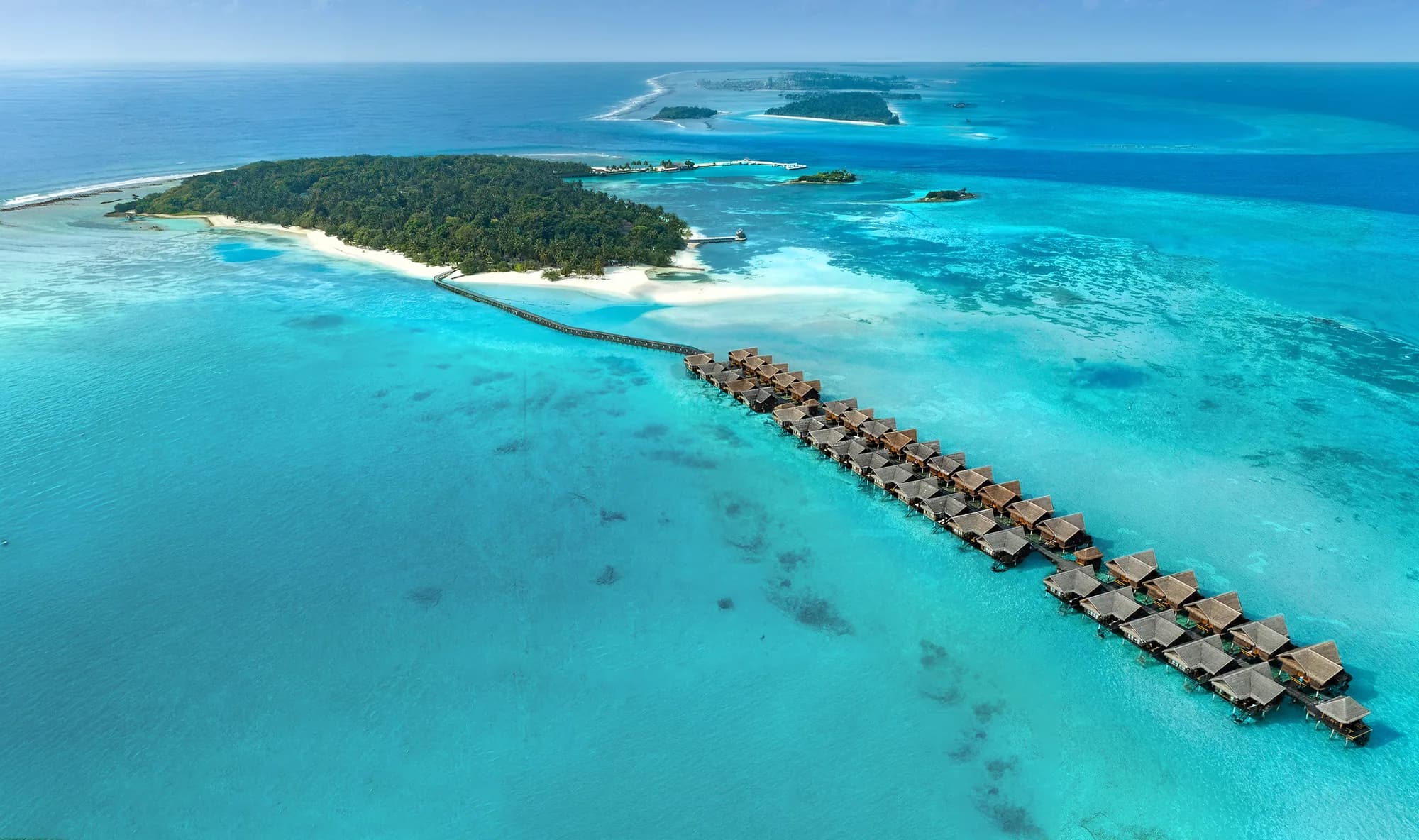
Trans Maldivian Airways seaplanes have a weight limit of 20 kilograms per person checked plus 5 kilograms hand luggage. Excess baggage is accommodated on a later flight (typically same-day) and delivered to the resort separately. Couples on a honeymoon with three or four large suitcases between them frequently encounter this; the resort coordinates the late delivery but the suitcase does not arrive with you.
Domestic flights run a similar 20-kilogram limit; the speedboat does not weigh luggage but is constrained by storage volume. For divers travelling with their own gear, the seaplane is the constraint; many divers ship gear ahead via the resort's regular logistics rather than carry it on the seaplane.
What to wear on the seaplane: light, layerable. The cabin is not air-conditioned in the operational sense, and the temperature varies with altitude. Sunglasses and a brimmed hat for the aerial view; the pilots' over-cockpit reflection is meaningful. Earplugs: the noise is significant (roughly 95 dB cabin level for the 40-minute flight). Bring real earplugs, not the supplied foam ones.
The seaplane experience
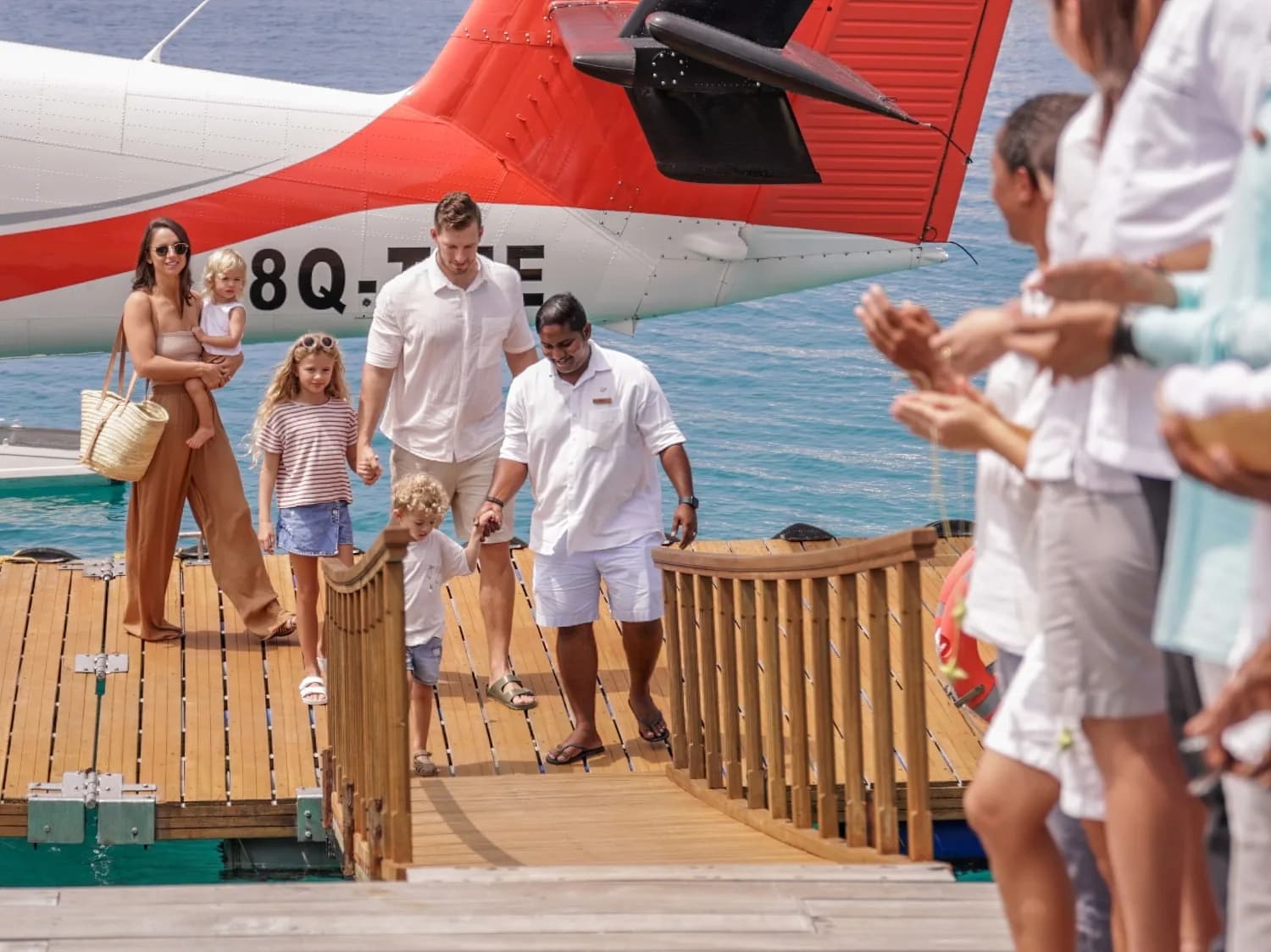
The seaplane is part of the holiday for guests who notice it. The aerial view of the central-atoll lagoon and the approach to the resort island is the trip's first photograph. Sit on the right side flying out for the strongest aerial shots of most central-atoll resorts; the right-side bank during approach gives you the cleanest view of the lagoon. On the return flight, sit on the left.
The seaplane operates with no luggage compartment in the conventional sense; bags are loaded behind the passenger cabin and unloaded onto the resort jetty. Boarding is from a floating platform at the seaplane terminal. The walk between the seaplane terminal and the main international arrivals hall at Velana is 5 to 10 minutes; the resort ground staff meet inbound guests at the international door and shuttle to the seaplane platform.
Honest reading: the seaplane is the country's defining transfer experience and most guests rate the flight itself above the actual airport transit. For travellers nervous about small aircraft, the twin-otter is a sturdy and well-maintained type with one of aviation's strongest single-type safety records.
Private speedboats and helicopter alternatives
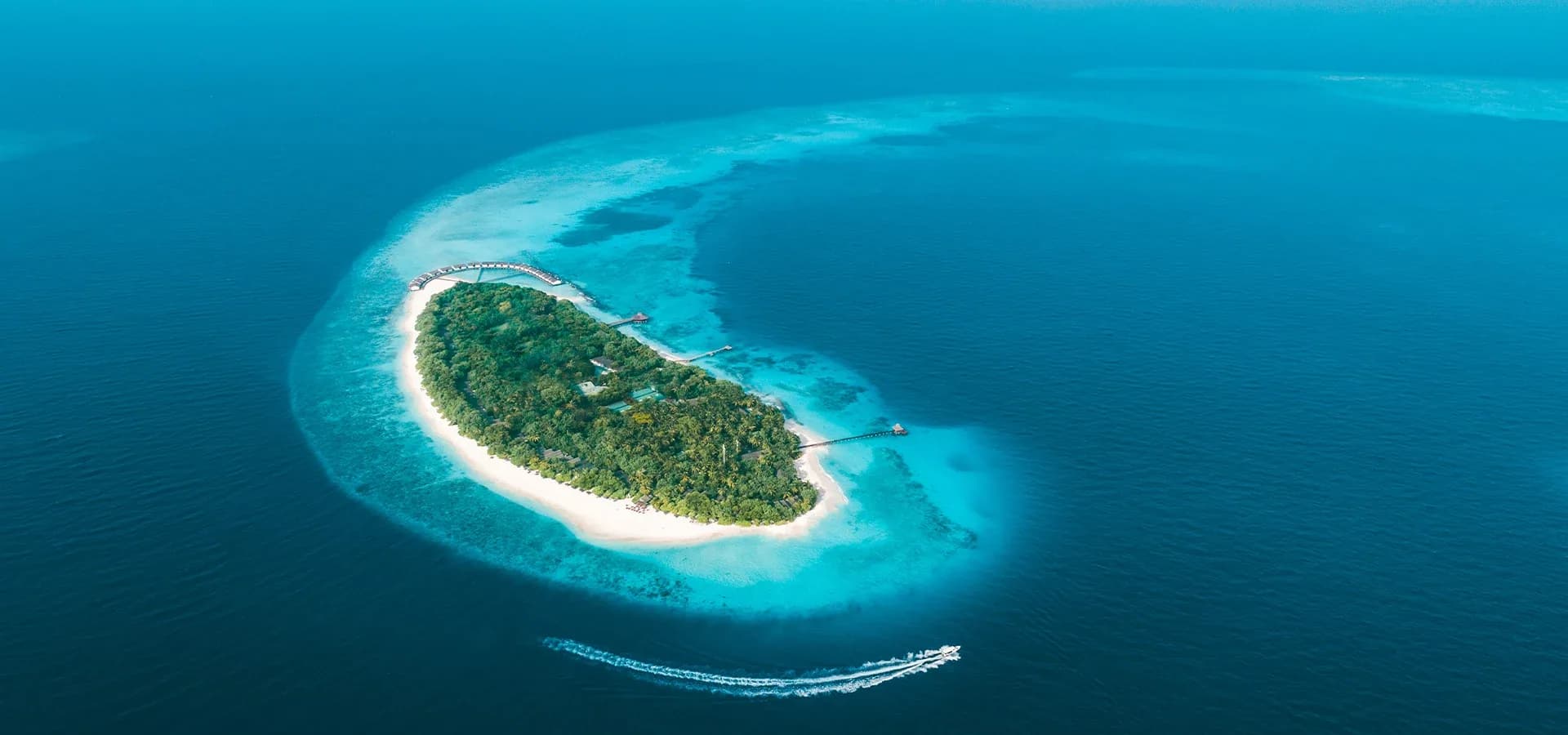
Most resorts offer private speedboat transfers to circumvent the seaplane window for late-arriving guests, at a meaningful premium. The fare is quoted at booking; we do not duplicate the figures in editorial prose until a partner feed is signed. The private speedboat operates around the clock and can reach most central-atoll resorts in 90 to 180 minutes, which is competitive with an overnight-plus-seaplane combination.
Helicopter transfers are a newer alternative. A handful of resorts (Soneva Jani, Soneva Fushi, and several Noonu properties) now offer helicopter transfers as an optional upgrade. The helicopter operates outside the seaplane curfew and is materially faster than the seaplane, with a comfort and noise profile that most guests rate above the twin-otter. The fare is significantly higher; for honeymooners on a single-trip premium budget, it is a defensible upgrade.
Public-ferry alternatives exist but are not practical for resort transfers; the ferry network connects local islands and does not serve the resort jetties.
Insurance and weather delays
Travel insurance for a Maldives honeymoon should specifically cover transfer delay and missed-connection scenarios. The seaplane operates only in daylight; a delayed inbound flight that misses the last seaplane is a routine occurrence that most travel insurance policies cover for accommodation and meal costs during the unplanned overnight.
Weather delays on the seaplane are rare but happen. Strong winds (above roughly 25 knots) or low cloud over the destination atoll will ground the flight; the resort coordinates either an extended airport-hotel stay or a private-speedboat workaround. Policies that specifically include weather-related travel disruption are worth the small premium.
Honest caveat: the southwest monsoon (June-October) carries the highest delay risk. Couples planning a honeymoon in this window should add a one-day buffer to the inbound and outbound schedules; missing a return flight from Malé due to a delayed return seaplane is the kind of trip-ending event the insurance handles but the buffer prevents.